
Last updated November 15, 2026
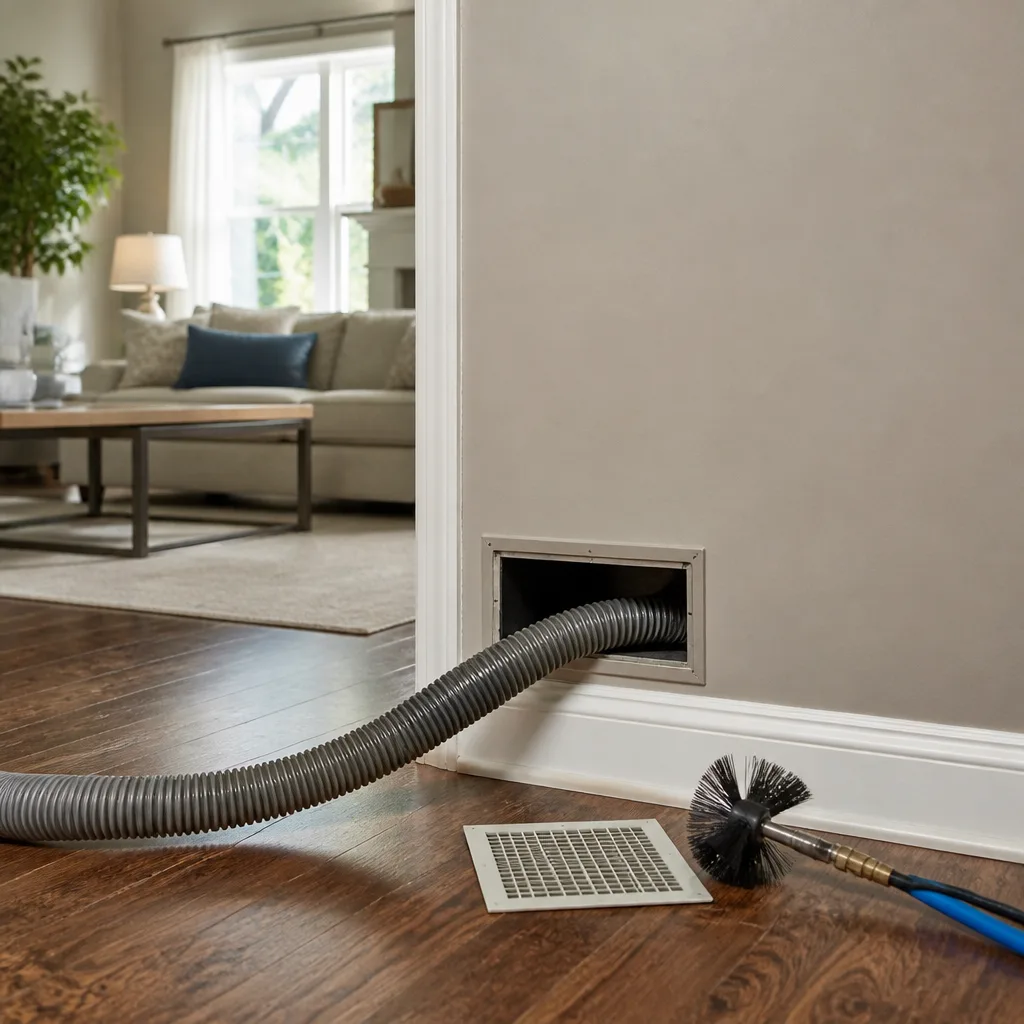 Whole-home duct cleaning
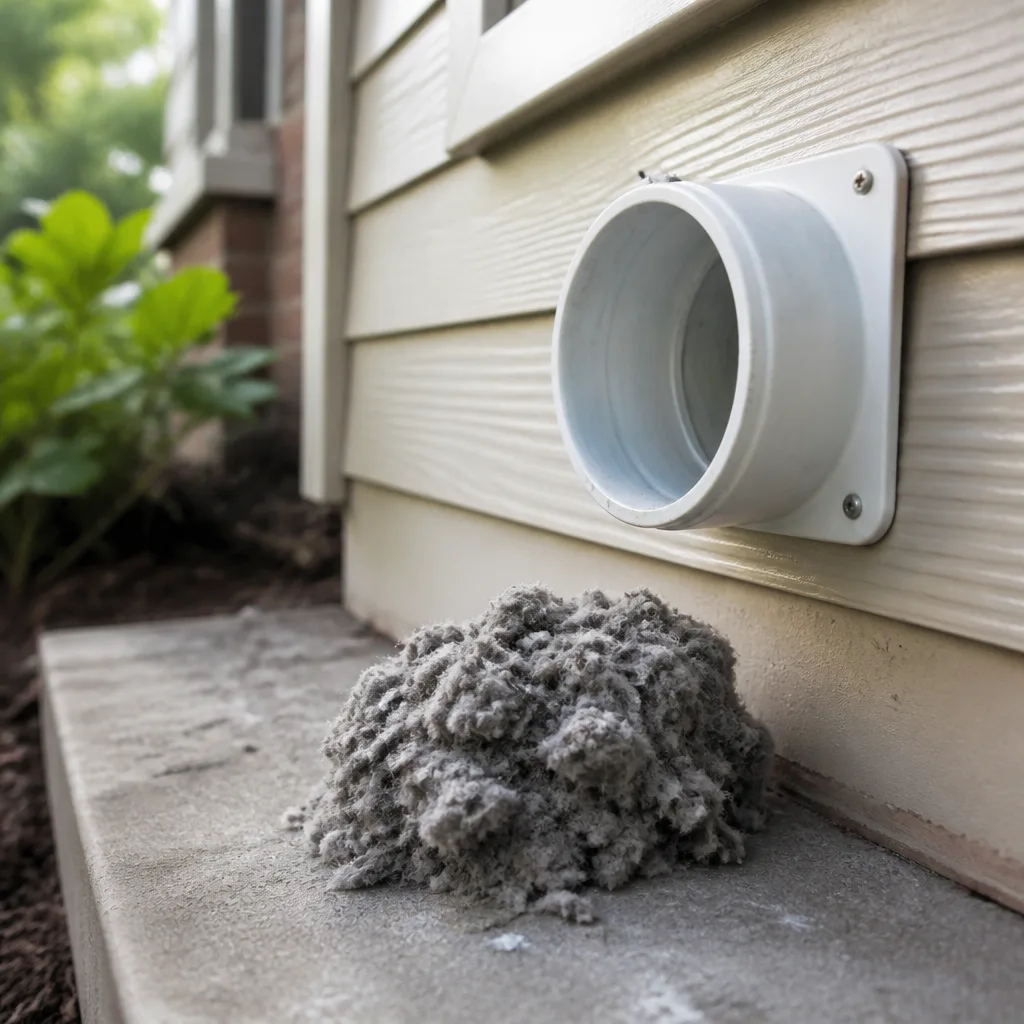 Dryer vent cleaning
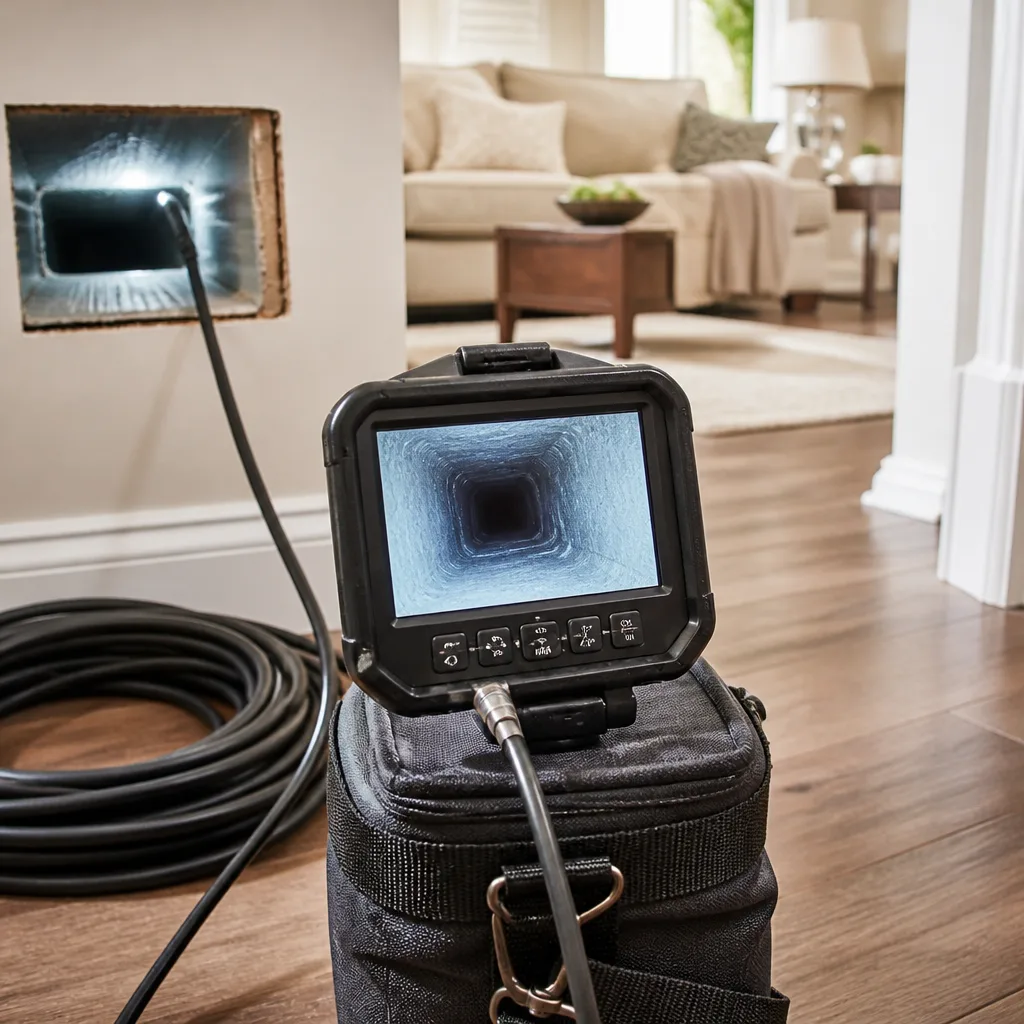 Camera inspection
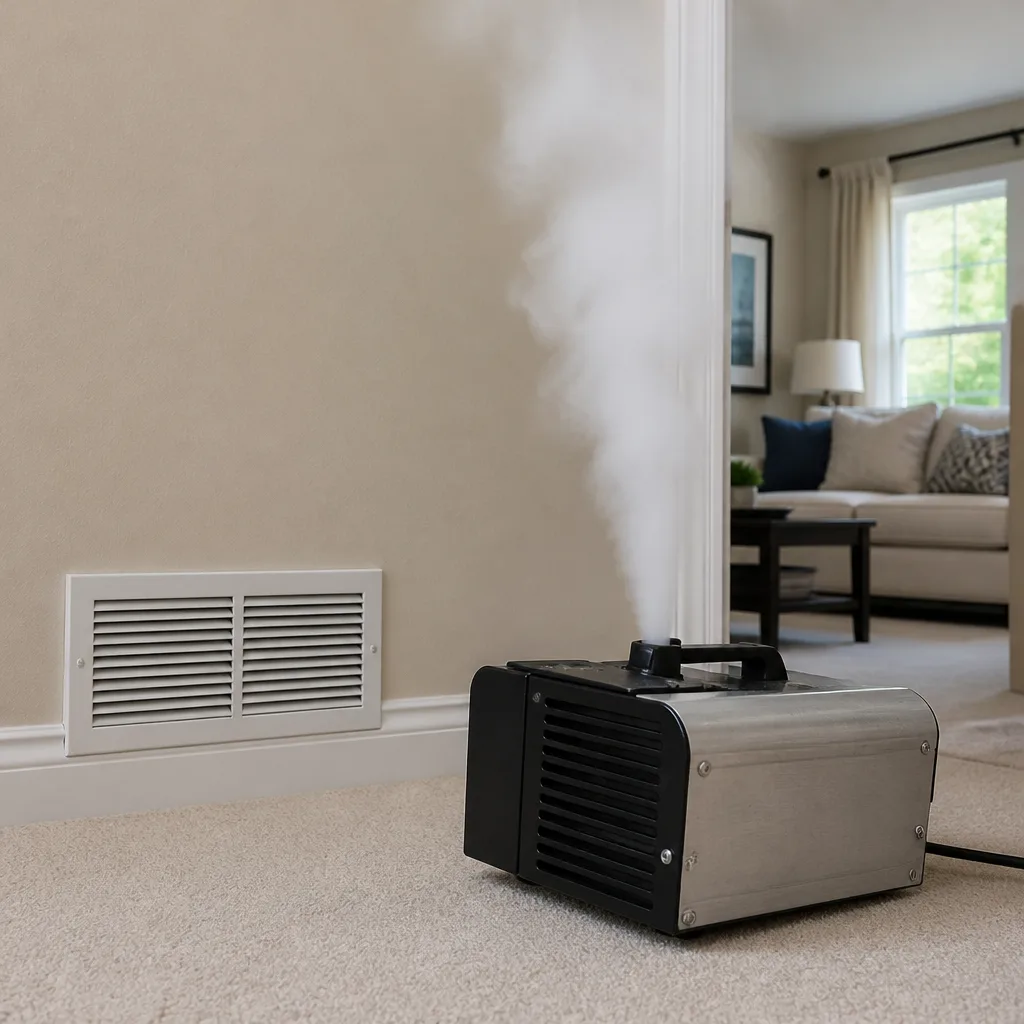 Sanitizing & deodorizing
Whole-system duct and dryer vent check with before-and-after photos - you see exactly what came out of your vents
That "$99 whole-house special" is a bait ad - the real number appears once they are in your hallway, or the "clean" is a shop-vac at the register. We photograph the inside of your ducts before and after instead.
Air Duct Cleaning Emergency Preparedness Guide for Laredo Homes
Most Laredo homeowners assume that when something goes wrong with their ductwork, the answer is simply “get the ducts cleaned.” That assumption is wrong more often than it’s right. A dust storm, a flood, and a wildfire smoke event each contaminate your duct system through a different entry point and leave a different kind of damage behind. Cleaning is the fix for one of them. Replacement is the fix for another. And one of them isn’t really a duct problem at all until water has moved through your crawlspace or attic. This guide walks through each emergency scenario as it actually shows up in Laredo, explains what the right response looks like, and tells you what to document before anyone touches your system.
Quick Answer
After an emergency in Laredo, the right duct response depends on what the emergency was. Dust storms push fine particulate through return-side leaks and call for inspection and cleaning before you run the system. Flooding calls for a moisture assessment first, because saturated duct liner often needs replacement rather than cleaning. Wildfire smoke calls for a smell test and liner inspection to tell surface contamination from absorbed contamination. And in every case, you document the damage with photos and a written contractor assessment before any work begins.
Styles & brands we work with
- Whole-home duct cleaning
- Dryer vent cleaning
- Camera inspection
- Sanitizing & deodorizing
Table of Contents
- Why generic duct cleaning advice fails after a Laredo emergency
- Dust storm intrusion: what caliche particulate does to your return side
- Flood events: cleaning versus liner replacement
- Wildfire and smoke events: surface contamination or saturated liner?
- What to document for insurance before any work starts
- When emergency duct service outranks your regular cleaning schedule
- What professional equipment actually does that a shop vac can’t
- How to reach a specialist when it matters
Why generic duct cleaning advice fails after a Laredo emergency
Search for what to do about ductwork after a storm and you’ll get the same page from a hundred sites: “call a professional for a thorough cleaning.” That advice treats every emergency as the same event. In Laredo, they aren’t the same event at all, and the damage mechanism is different in each case.
Think about where the contamination actually enters. A dust storm carries fine particulate matter that gets pulled in through the return side, especially through leaks and gaps in the return plenum and the joints feeding the air handler. The system is under negative pressure on that side, which means it’s actively sucking in whatever’s floating around outside. A flood doesn’t work that way. Water moves through the structure, not the airstream. It soaks duct liner from the outside in, and when that liner stays wet, microbial growth colonizes the material itself. No amount of internal cleaning reaches growth that’s living inside a saturated fiberglass mat. Smoke sits somewhere between the two. It’s airborne, but the compounds that cause the smell can either stay on the surface of the duct wall or absorb into porous liner, and which one happened determines whether cleaning will work.
That’s the core point of this guide. Three different emergencies, three different entry points, three different response protocols. Here in Laredo, where a single year can bring a dust event, a tropical system, and smoke from a fire hundreds of miles away, homeowners need to be able to tell these apart before they call anyone. If you’re still at the stage of deciding whether your system needs attention at all, our Duct Cleaning Laredo page is the place to start, but keep reading here if you’ve already had an event and want to know how to respond to it.
Dust storm intrusion: what caliche particulate does to your return side
Dust storms in Laredo carry a particular kind of particulate. The fine caliche dust that blows across the region is abrasive, alkaline, and small enough to pass through standard filters and settle inside ductwork. It’s not the visible grit you sweep off a patio. It’s the fraction that stays suspended long enough to get pulled into the return side of your system.
The problem starts on the return side specifically, because that’s the half of the system running under negative pressure. Every gap, every loose joint, every poorly sealed connection between the return grille and the air handler is a pathway for unfiltered outside air to get pulled in. That air carries the dust with it, and the dust settles on the interior surfaces of the return duct and the air handler cabinet. Once it’s there, running the system blows it right back into the living space.
What a post-storm inspection should cover
- Visual check of the return side first. The return grilles, the return plenum, and the air handler cabinet should be inspected before anything is turned back on. If you can see a visible dust film inside the return, the dust is already in the system.
- Filter condition. A filter that’s loaded solid with dust after a storm is a filter that stopped doing its job partway through. Replace it, but do that after the inspection, not before, so you know what got past it.
- Joint and seal inspection. Loose joints on the return side are where the infiltration is coming from. This is also the point where duct repair becomes relevant, because sealing those joints prevents the next dust storm from doing the same thing again.
- Air handler cabinet and blower. Dust that makes it past the filter coats the blower wheel. A coated wheel moves less air and can throw the system out of balance.
- Interior surface condition. Any duct liner on the return side should be checked for embedded dust that cleaning can’t lift. Abrasive particulate can pit some liner materials over time.
Here’s the part most homeowners get wrong: don’t run the system during or immediately after a storm and then assume the filter caught everything. The filter catches what reaches it. The dust that gets pulled in through return-side leaks never reaches the filter. It goes straight into the duct. If your home is in an older part of Laredo where the ductwork predates modern sealing practices, that infiltration risk is higher. Our air duct cleaning process starts with exactly this kind of return-side inspection, because cleaning without sealing the entry point just resets the clock.
Flood events: cleaning versus liner replacement
This is the section that matters most, because it’s the one where the wrong response causes real harm. When tropical weather pushes water into a crawlspace or attic and that water reaches your ductwork, the contamination problem is not dirty air. It’s microbial growth colonizing wet duct liner from the exterior inward. If the liner is saturated, internal duct cleaning will not fix it. The growth is inside the material, not on the surface the cleaning tool can reach.
Duct liner is a porous fiberglass product. Once water soaks into it, it holds moisture for a long time in a humid climate, and that’s exactly the environment mold and other microbial growth need. The airstream moving through the duct afterward distributes spores into every room the system serves. Cleaning the interior surface of a saturated liner is like wiping down the outside of a wet sponge. The problem is inside.
How to tell the two cases apart
- Cleaning is likely sufficient if: water never reached the ductwork itself, moisture was limited to the surrounding structure, the liner shows no visible staining or soft spots, and a moisture reading on the liner is at or near dry.
- Replacement is likely necessary if: the liner is visibly wet, shows dark staining, feels soft or delaminated in places, or holds a smell that persists after the surrounding structure has dried out.
- Either way, dry the structure first. Cleaning or replacing ducts while the surrounding space is still wet just recontaminates the new or cleaned material.
We’re not going to give you a DIY procedure for this, because the assessment requires actually getting hands and a moisture meter onto the liner, and getting it wrong means living with a mold reservoir inside your HVAC system. What we will say is that duct repair is one of our core services precisely because this scenario comes up. When we find that a section of liner has to come out, we can handle that in the same scope of work rather than handing you off to a second contractor and waiting. If you’ve had water in a crawlspace or attic anywhere in Laredo, get the assessment before the system runs again. Every cycle of air through a saturated duct spreads the problem further.
Wildfire and smoke events: surface contamination or saturated liner?
Smoke from a wildfire, whether it’s a local fire or one burning far enough away that the smoke plume drifts over the region, leaves odor compounds in your duct system. The question that determines the fix is whether those compounds are sitting on the surface of the duct wall or have absorbed into the liner material.
Surface contamination is the better case. Smoke particles and the volatile compounds that carry the smell deposit on the interior surfaces of the duct and the air handler components. Professional contact cleaning with the right equipment lifts that material off, and the smell goes with it. Absorbed contamination is the harder case. Porous duct liner can take smoke compounds into the material itself, the same way fabric holds smoke smell. Cleaning the surface doesn’t remove what’s inside the liner, and the odor returns every time the system runs.
The smell test, done properly
- Run the fan only for a few minutes after the smoke event has passed. If the smell intensifies when air is moving through the system, the contamination is in the ducts, not just the room air.
- Check the return grilles. A visible smoke film or a strong odor right at the return grille points to contamination on the return side.
- Smell the supply registers room by room. If one zone smells significantly worse, the contamination may be localized to that branch.
- Have the liner inspected directly. This is the step that actually answers the question. A surface wipe test on the liner, done by someone who knows what they’re looking at, tells you whether the material has absorbed the compounds.
If the answer is absorbed, replacement of the affected sections is the honest recommendation, and we’d rather tell you that than sell you a cleaning that doesn’t work and have the smell come back in a month. If the answer is surface contamination, cleaning resolves it. We use Abatement Technologies air filtration equipment on smoke remediation work because keeping fine particulate contained during the cleaning process is part of doing the job right. Our dryer vent cleaning service gets the same containment discipline, and that’s not an accident. Both jobs are about removing material from a duct without redistributing it into the room.
What to document for insurance before any work starts
If you’re filing a claim after a flood, a fire, or a major dust event, the documentation you collect before anyone starts work is what supports it. Once cleaning begins, the evidence of the original condition is gone. That’s true for any contractor, and it’s the reason we tell homeowners to document first and schedule second.
What to capture before work begins
- Dated photographs of every visible opening. Return grilles, supply registers, the air handler access panel, and any ductwork exposed in the attic or crawlspace. Dust loading, staining, and water lines all show up in photos if you take them before cleanup.
- Moisture readings if water was involved. Have these taken with an actual moisture meter, not estimated. Photos of a meter reading with the location visible are worth a great deal in a claim.
- Air quality readings where relevant. Particulate readings before and after a smoke event establish what the system was exposed to.
- A written contractor assessment. This is the piece homeowners most often skip. A written statement of condition, describing what was found, where, and what the recommended response is, gives the insurer something concrete to work from.
- Receipts and the original HVAC installation record. These establish the age and replacement value of the affected components, which matters when liner replacement is on the table.
- Filter evidence. Keep the post-event filter. Don’t throw it out before the claim is settled.
Get the written assessment before the cleaning crew leaves the property, not after. We provide a written scope of what we found and what we recommend, because a claim adjuster needs specifics, and a verbal description from memory six weeks later isn’t specifics. One more thing: if water damage is involved, document the moisture before the space is dried out, because once the structure dries, the readings no longer show what happened.
When emergency duct service outranks your regular cleaning schedule
Most duct cleaning is a scheduled maintenance job. You notice dust buildup, or allergy season hits harder than usual, or the energy bill climbs, and you book it. That’s the normal case, and it’s not urgent. There are specific situations, though, where the response shouldn’t wait for your next open slot on the calendar.
Prioritize the response in these cases
- Water has reached the ductwork. This is the highest priority case. Every cycle of air through a wet system spreads microbial contamination. Don’t run the system, and get an assessment quickly.
- Visible mold inside a register or on the air handler cabinet. If you can see it, the system has already been distributing it.
- A smoke event with persistent odor after the outdoor air has cleared. Odor that returns every time the system runs means the contamination is in the ducts.
- A major dust storm in a home with poorly sealed return ducts. Inspection first, before the system is run at length.
- A dryer vent that’s showing warning signs. Lint buildup in dryer vents is a documented fire risk, and the National Fire Protection Association links clogged dryer vents to thousands of residential fires every year. A dryer that takes longer than it used to, or gets hot to the touch, warrants prompt attention.
For the ordinary case, dust buildup that’s been there a while, no water, no odor, no visible growth, scheduling is fine. The emergency cases are the ones with an active contamination source or a safety concern. In our experience, homeowners in Laredo tend to wait after a dust storm because the dust itself feels temporary. It isn’t. It’s sitting in the return system, and the next time the system runs it comes back into the house.
What professional equipment actually does that a shop vac can’t
Equipment is the difference between a duct that looks cleaner and a duct system that’s actually clean. A shop vac has the suction. What it doesn’t have is the ability to reach the full interior surface of a duct run, keep the fine particulate contained during the process, or lift material that’s been pressed against the duct wall for months. That’s not a knock on shop vacs. It’s a description of the job they weren’t designed for.
Contact cleaning is the core of it. Our Rotobrush system uses a rotating brush head that physically contacts the interior surface of the duct as it moves through the run, which is what it takes to lift adhered dust and debris. Nikro HEPA vacuum equipment handles the collection side, and the HEPA stage matters because the last thing you want during a post-emergency cleaning is fine particulate redistributed into the living space instead of removed from it. Abatement Technologies air filtration equipment provides the containment standard used in professional remediation work, brought to residential and light commercial jobs. This isn’t a residential grade kit with a commercial label on it. It’s the same category of equipment working on professional remediation projects.
For air quality improvements after the cleaning, we work with Honeywell and Aprilaire systems, so a whole-home filtration or humidity upgrade can happen on the same visit rather than becoming a separate project down the road. Guardsman products round out the toolset where they fit. Our technicians have up to 11 years of experience working with this equipment, and that experience matters most on the jobs where the right answer is “replace this section” rather than “clean it again.”
How to reach a specialist when it matters
When an emergency has hit and you’re not sure whether your ducts need cleaning or replacement, the right move is to get a trained assessment, not to guess. Call (844) 938-0644. We answer 24/7. Fast dispatch from 7am to 7pm, Sunday through Friday. If you call outside dispatch hours, your call gets booked into the next opening, Sunday through Friday, 7am to 7pm. The estimate is free, and the price is set per job by a written estimate you get before any work starts.
One flat price per system, agreed before we begin. No per-vent pricing, and no surprise on the invoice. You’ll get before-and-after photos of your own ducts so you can see what was there and what came out.
Common Mistakes to Avoid
- Running the system after a dust storm before inspecting the return side. Dust that’s settled in the return ducts gets blown back into every room the moment the fan runs. Inspect first, then run.
- Assuming cleaning fixes a flooded duct system. If the liner is saturated, the growth is inside the material. Cleaning the surface of a wet liner doesn’t address the contamination, and it doesn’t dry the liner either.
- Cleaning before documenting. Once the work starts, the evidence of the original condition is gone. Photos, moisture readings, and a written assessment have to happen first if you’re filing a claim.
- Treating smoke odor as a surface problem without checking the liner. Smoke compounds can absorb into porous liner. If you clean a system with absorbed contamination, the smell comes back on the first cycle.
- Ignoring return-side leaks. In a Laredo dust event, the return side is the entry point. Cleaning without sealing means the next storm does the same thing all over again.
- Skipping the dryer vent. Lint buildup is a documented fire risk and a separate concern from the HVAC ducts. A dryer vent inspection shouldn’t wait behind a duct cleaning scheduling decision.
- Hiring a generalist with residential equipment. A duct specialist with commercial grade contact cleaning and HEPA collection equipment produces a different result than a general HVAC company treating duct cleaning as a side job.
See the difference
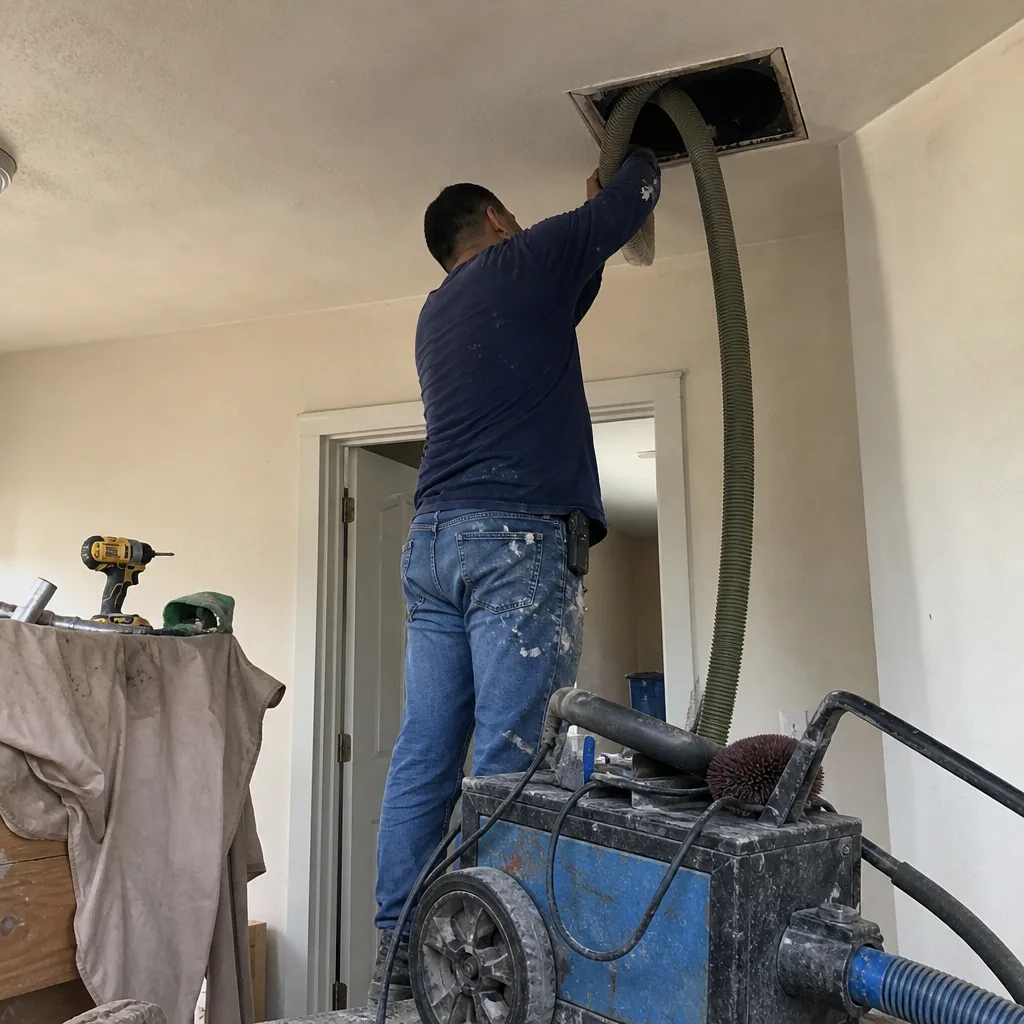 Before
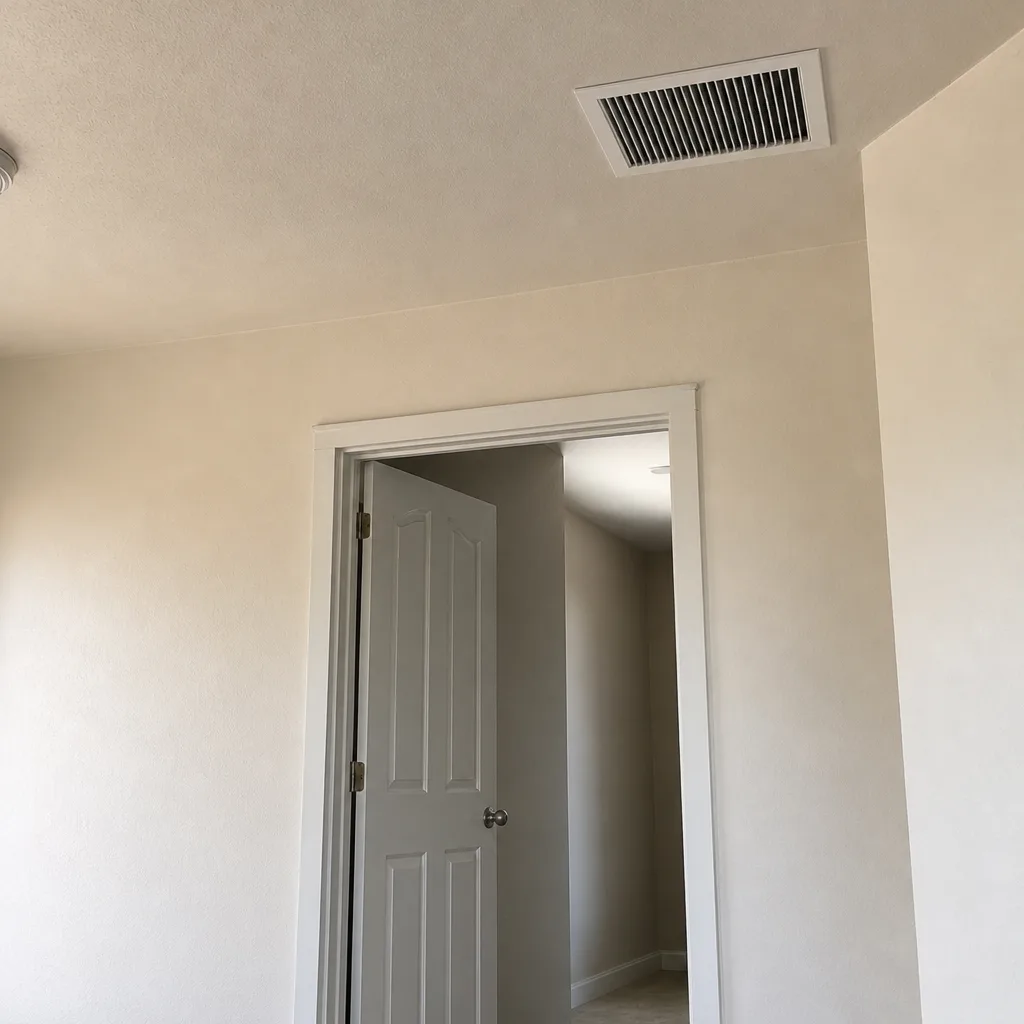 After
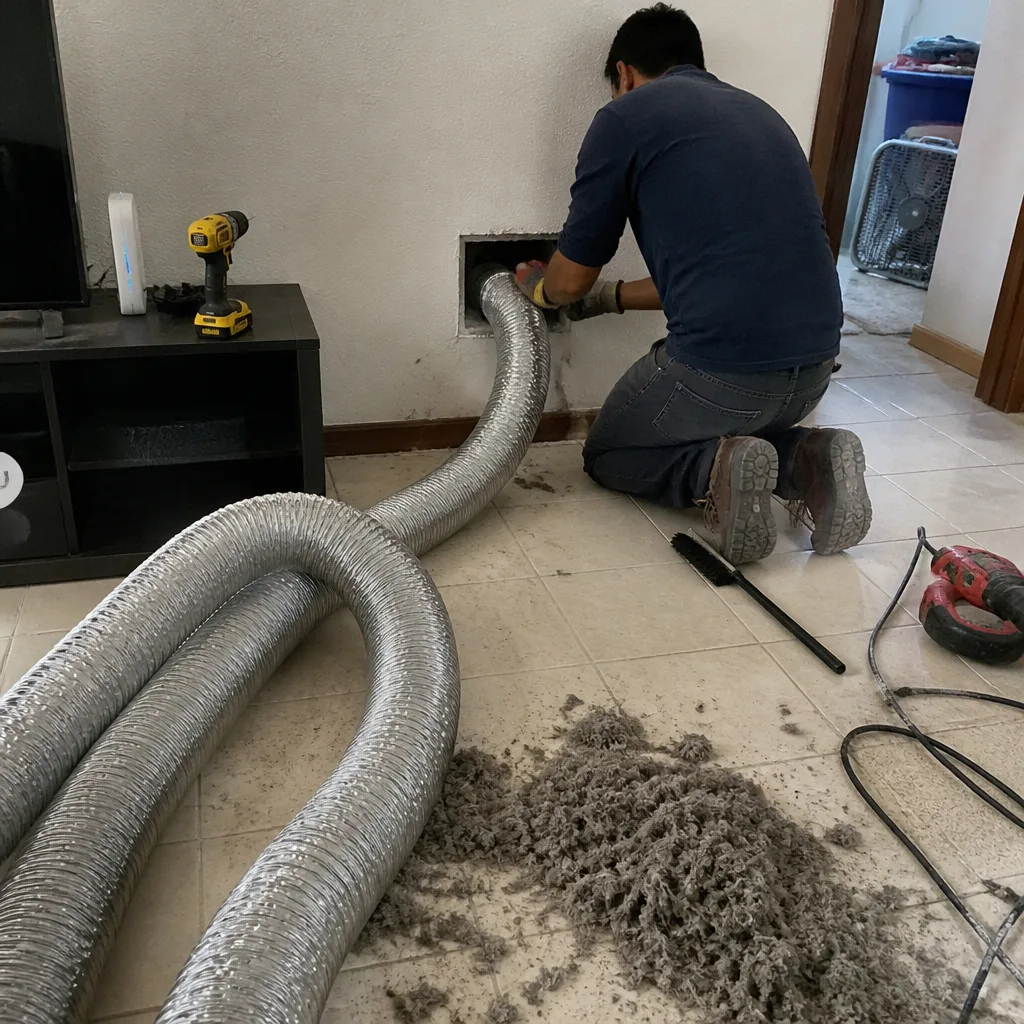 Before
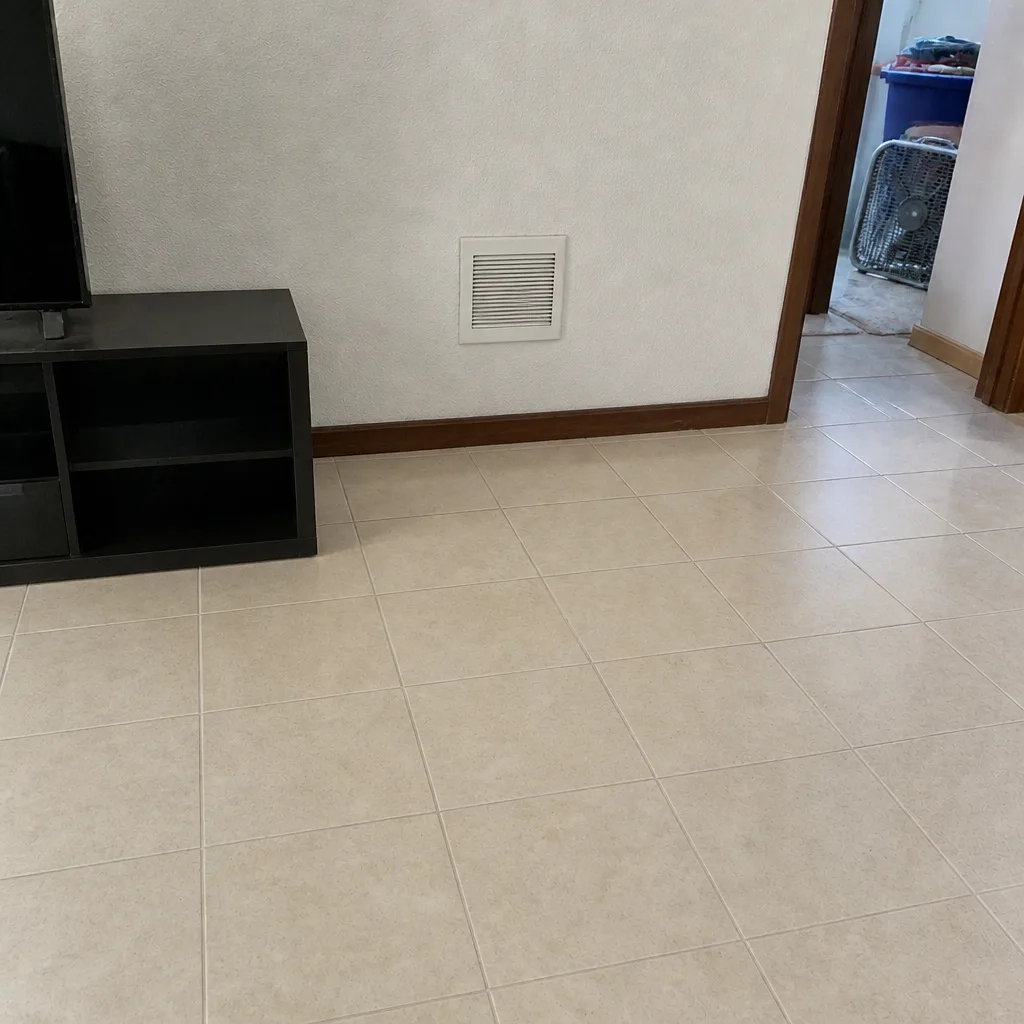 After
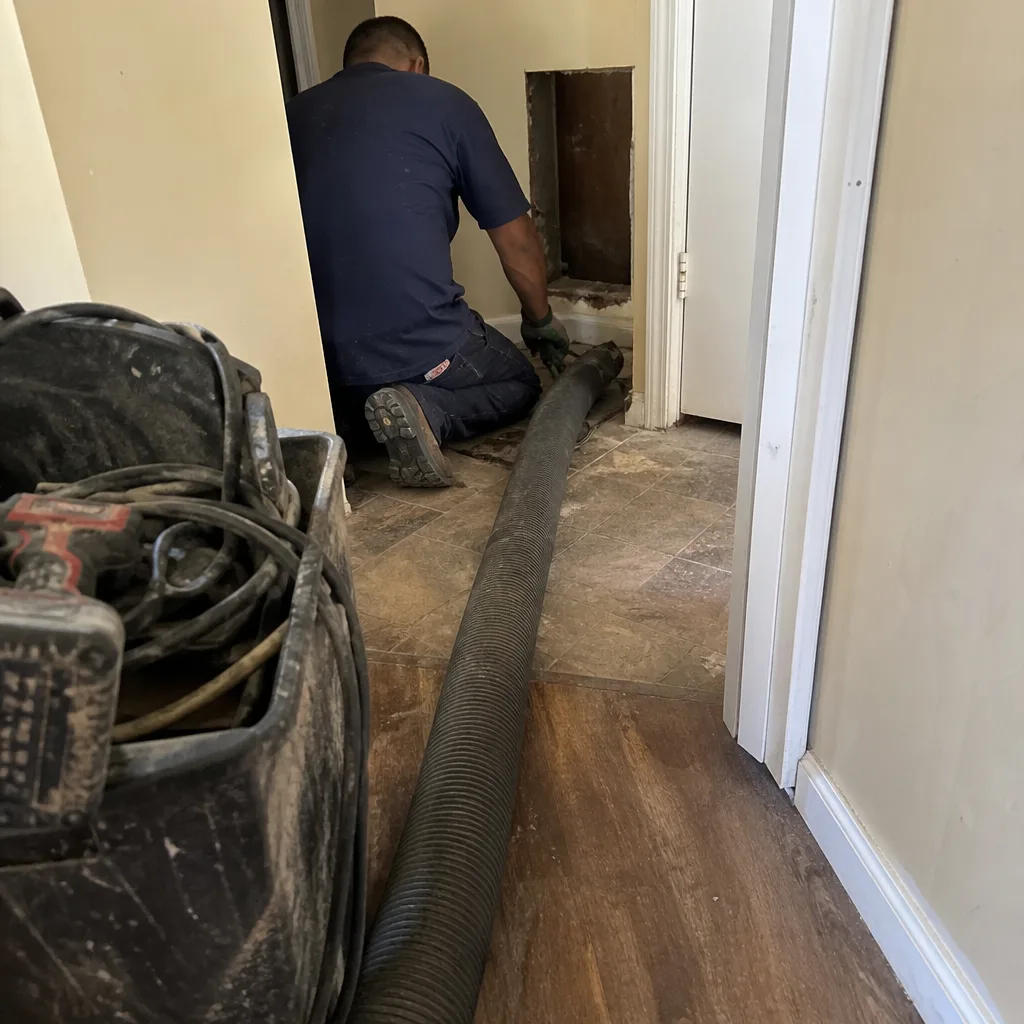 Before
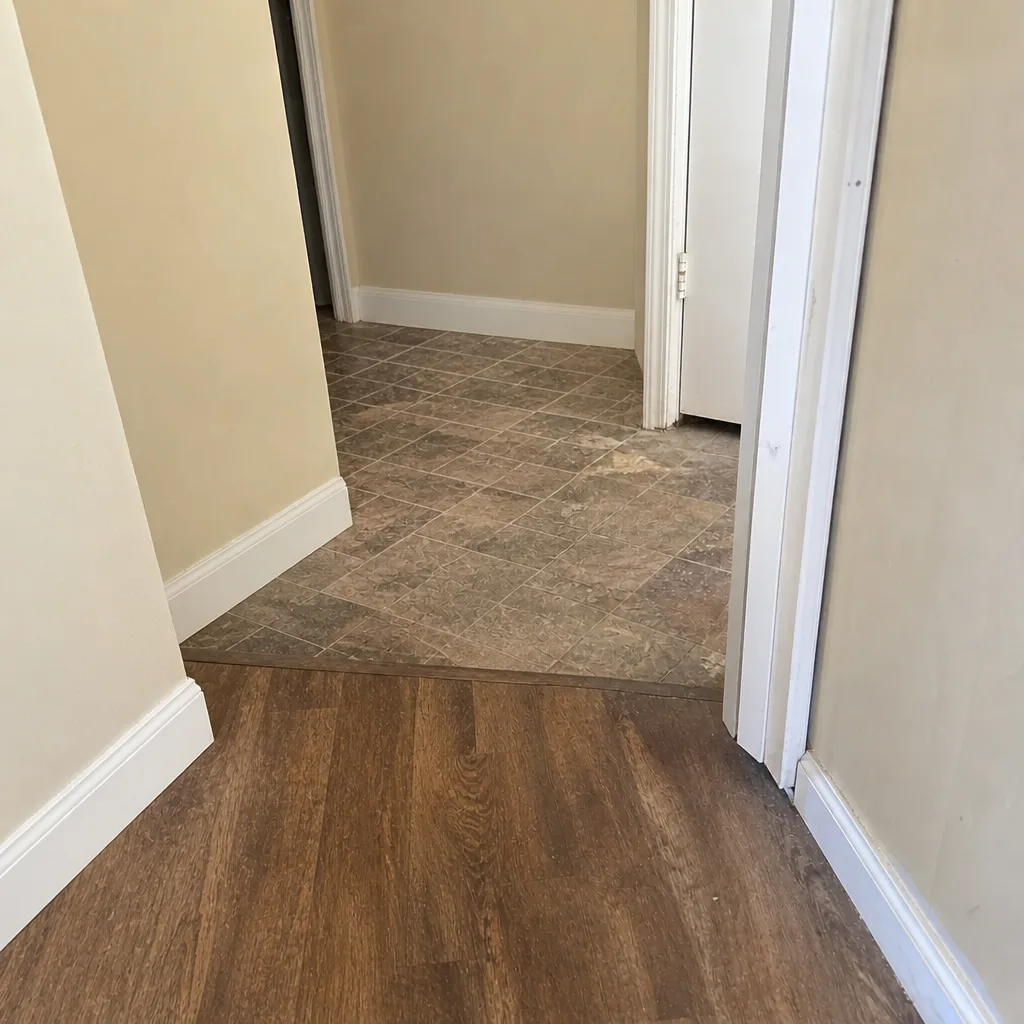 After
When to Call a Professional
Call a professional if water has reached your ductwork, if you can see mold inside a register or on the air handler, if smoke odor returns every time the system runs, or if a major dust storm has passed and your return ducts are poorly sealed. Call if your dryer is taking longer to dry clothes or the vent is hot to the touch. Call if you’re filing an insurance claim and need a written assessment of the system’s condition before work begins. Those are the cases where guessing is expensive and an assessment is cheap. Duct Cleaning Laredo offers free estimates in Laredo. Call (844) 938-0644. We answer 24/7, with fast dispatch from 7am to 7pm, Sunday through Friday.
Frequently Asked Questions
It depends on the size of the system, the number of runs, and whether the job is a standard cleaning or a post-emergency response. We don’t quote per-vent prices, because that structure is how the low-coupon-then-large-invoice problem starts. Instead, you get one flat price per system, agreed in writing before any work starts, with before-and-after photos of your own ducts when the job is done. Call (844) 938-0644 for an exact quote. Estimates are free.
Cleaning is only enough if the liner never got wet. Once duct liner is saturated, microbial growth can colonize the material from the inside, and internal cleaning cannot reach it. The only way to know which case you’re in is a direct moisture and condition assessment of the liner. Call (844) 938-0644 to schedule one. Estimates are free.
Run the fan briefly after the outdoor air has cleared. If the smell intensifies when air moves through the system, the contamination is in the ducts. Whether it’s on the surface or absorbed into the liner requires a direct inspection of the liner, and that inspection determines whether cleaning will work or replacement is needed. Call (844) 938-0644 to get that assessment. Estimates are free.
Yes. Dated photos of every visible opening, moisture meter readings if water was involved, air quality readings after a smoke event, the post-event filter, and a written contractor assessment of the system’s condition. That written assessment is the piece most homeowners skip, and it’s the one insurers ask for. Once cleaning starts, the original condition is gone. Call (844) 938-0644 to schedule an assessment before any work begins. Estimates are free.
For most homes, it’s not a fixed calendar interval. It’s driven by what the system has been exposed to. Laredo homes deal with dust events, humid periods, and smoke seasons, and any of those can justify a cleaning sooner than a generic schedule would suggest. The honest answer is to inspect based on conditions and clean when the system actually needs it. Call (844) 938-0644 to talk through what your home has been through. Estimates are free.
Usually because the scope is smaller than it looks. A low headline price often covers a surface pass with residential-grade equipment and no inspection of the liner or the return-side seals, which are the two places a post-emergency job actually needs attention. The written estimate should spell out exactly what’s included, and it should be a flat price per system rather than a per-vent number that grows once the technician is on site. Call (844) 938-0644 for a written scope and an honest range. Estimates are free.
The Bottom Line
Laredo’s emergencies don’t all hit your ductwork the same way, and treating them the same way costs homeowners money and leaves real contamination in place. Dust storms infiltrate through the return side under negative pressure. Floods soak duct liner from the outside in, and saturated liner has to be replaced, not cleaned. Smoke either sits on the surface, where cleaning works, or absorbs into the liner, where it doesn’t. In every case, document before you clean, especially if an insurance claim is in play. And when the emergency involves water or visible growth, don’t wait for your regular cleaning slot. Get an assessment from a duct specialist with commercial grade equipment, get a written estimate with one flat price per system, and get your system back to where it belongs.
Written by the team at Duct Cleaning Laredo.