
Last updated November 15, 2026
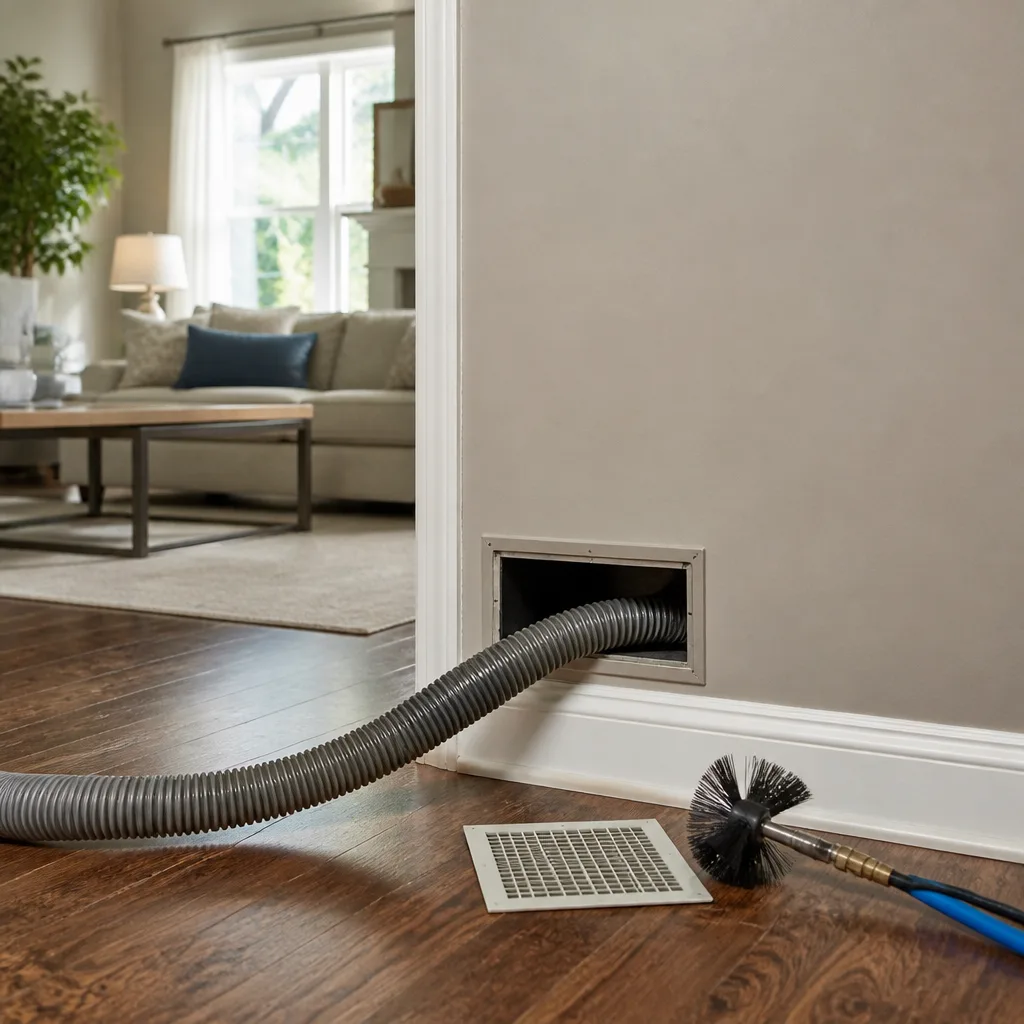 Whole-home duct cleaning
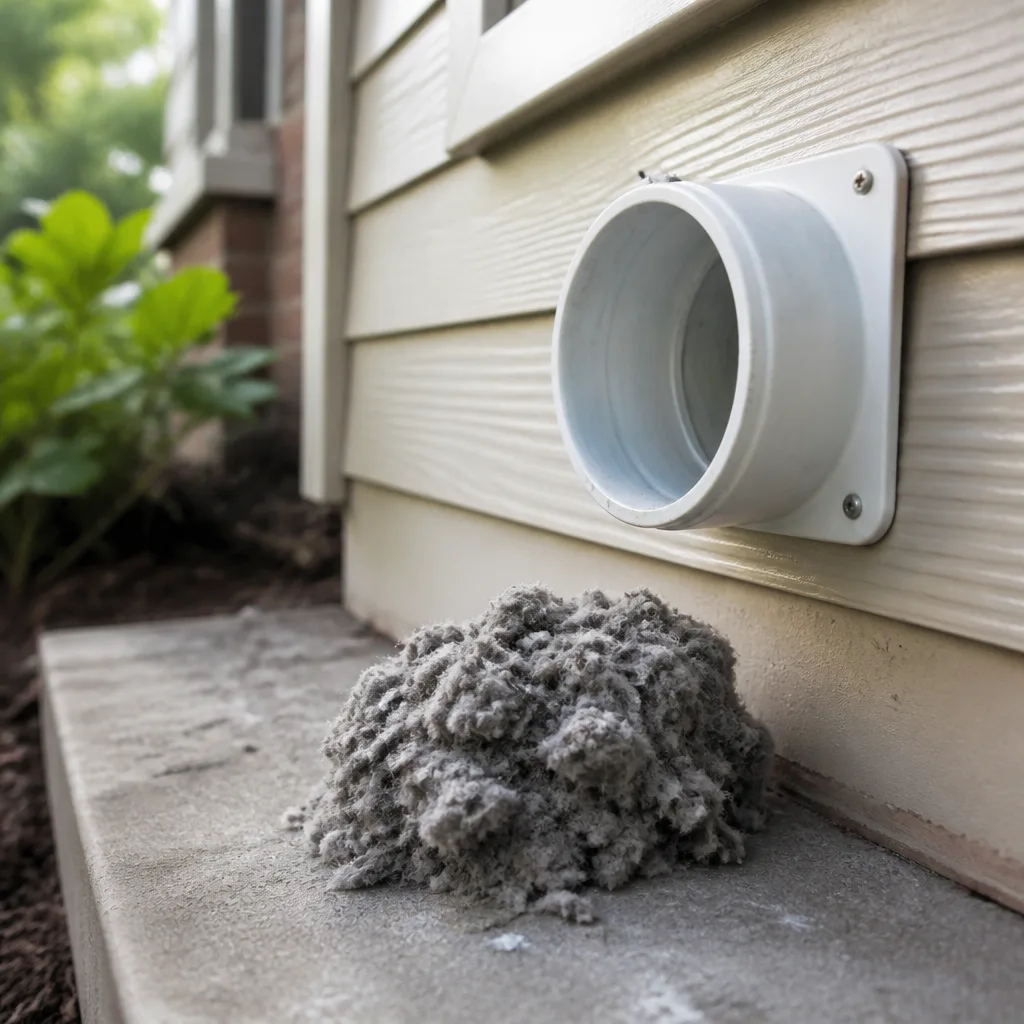 Dryer vent cleaning
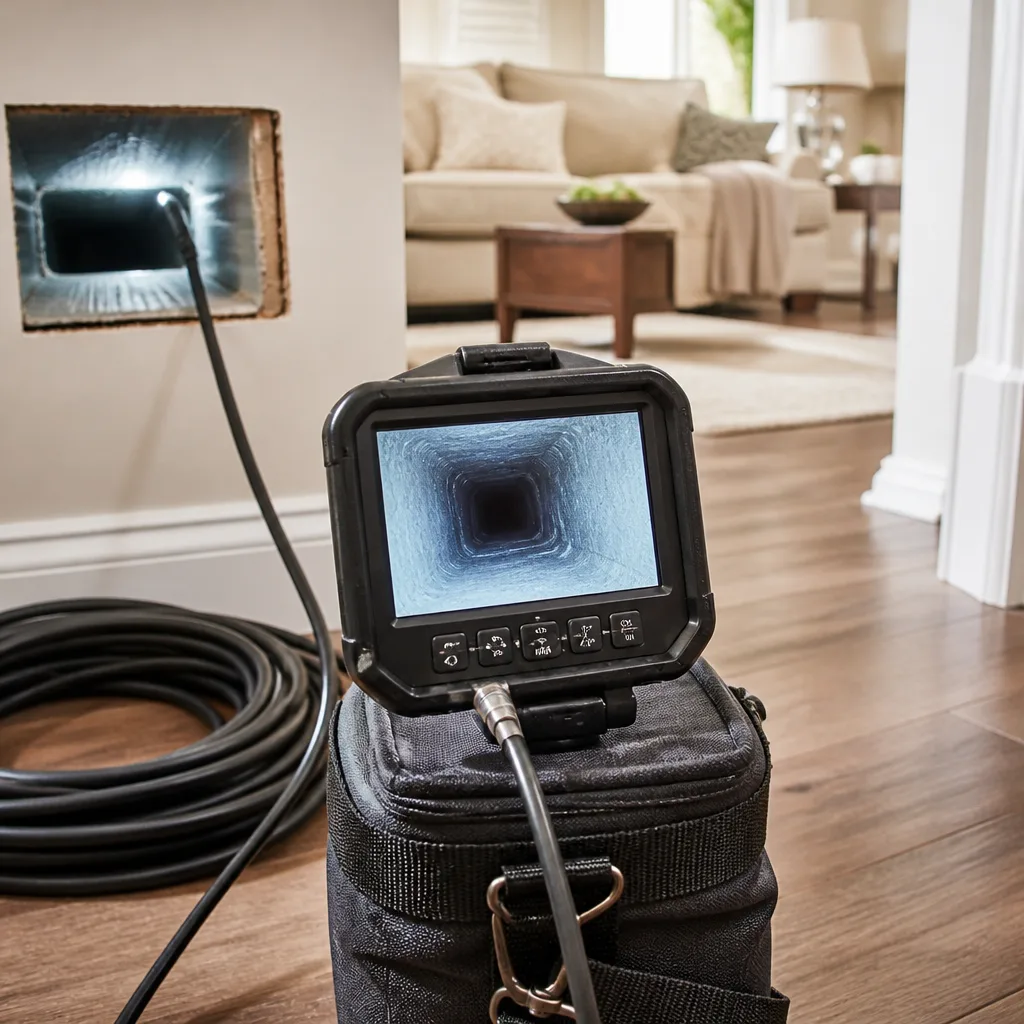 Camera inspection
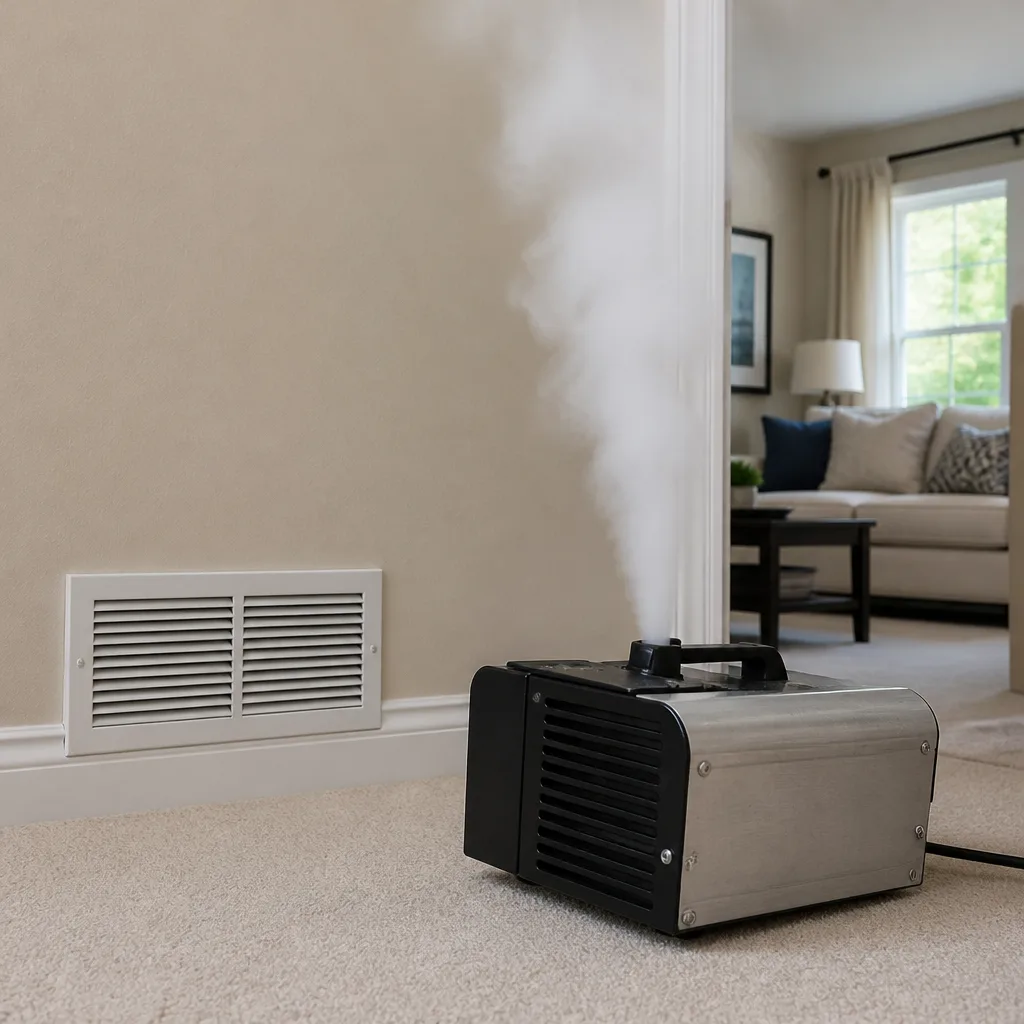 Sanitizing & deodorizing
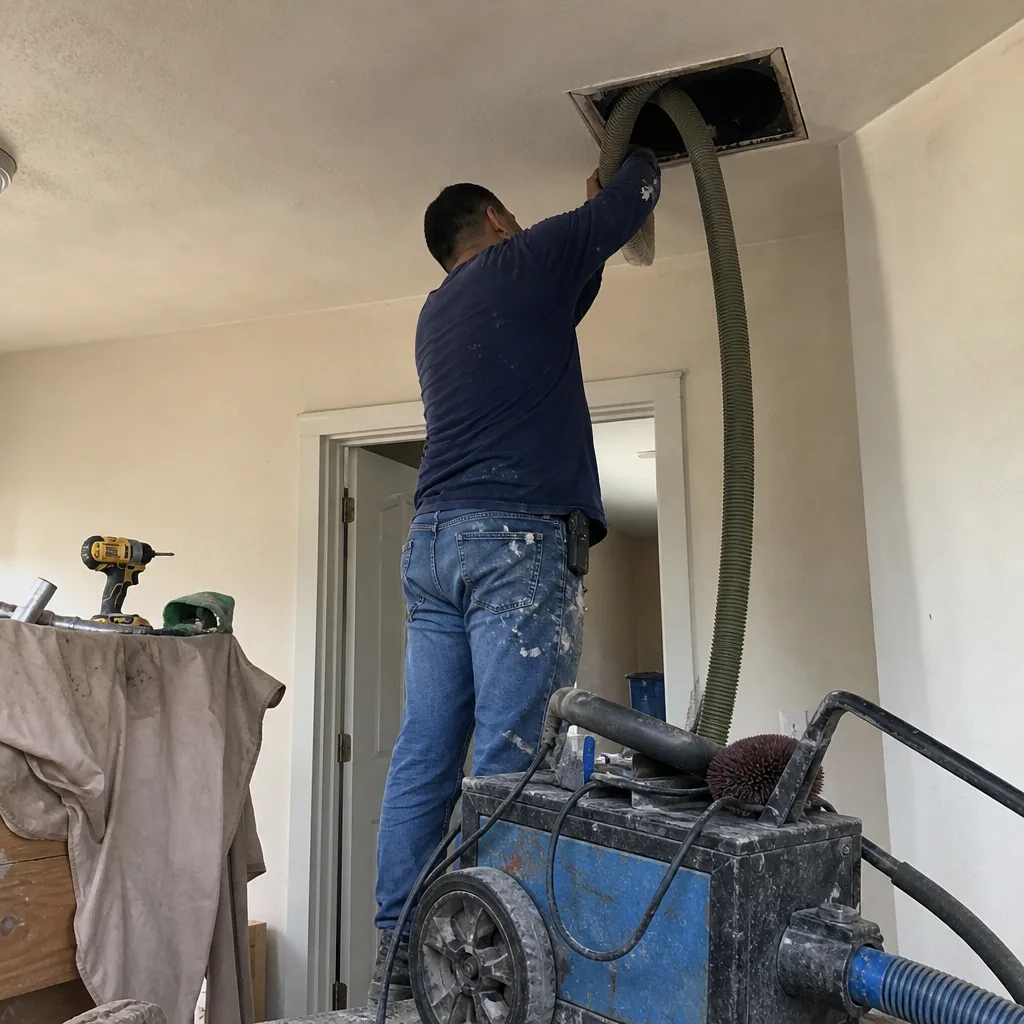
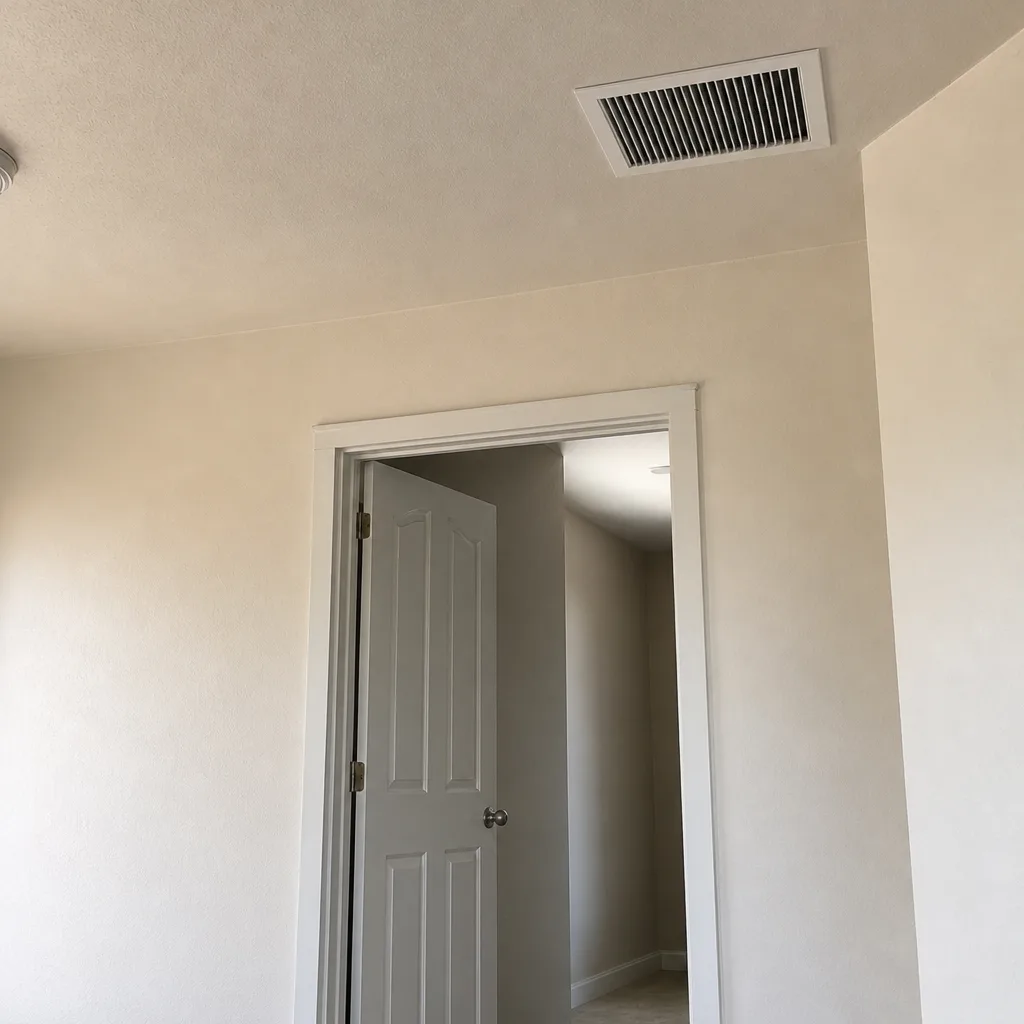
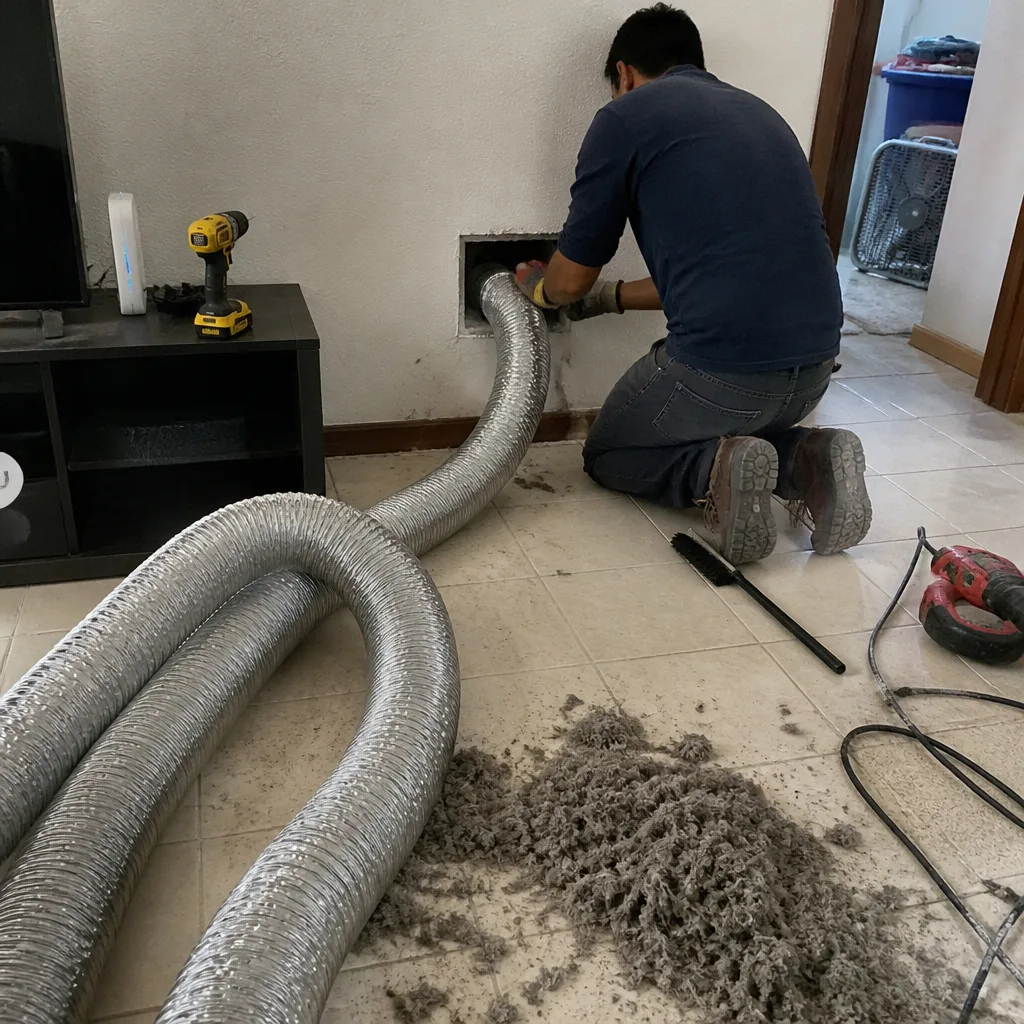
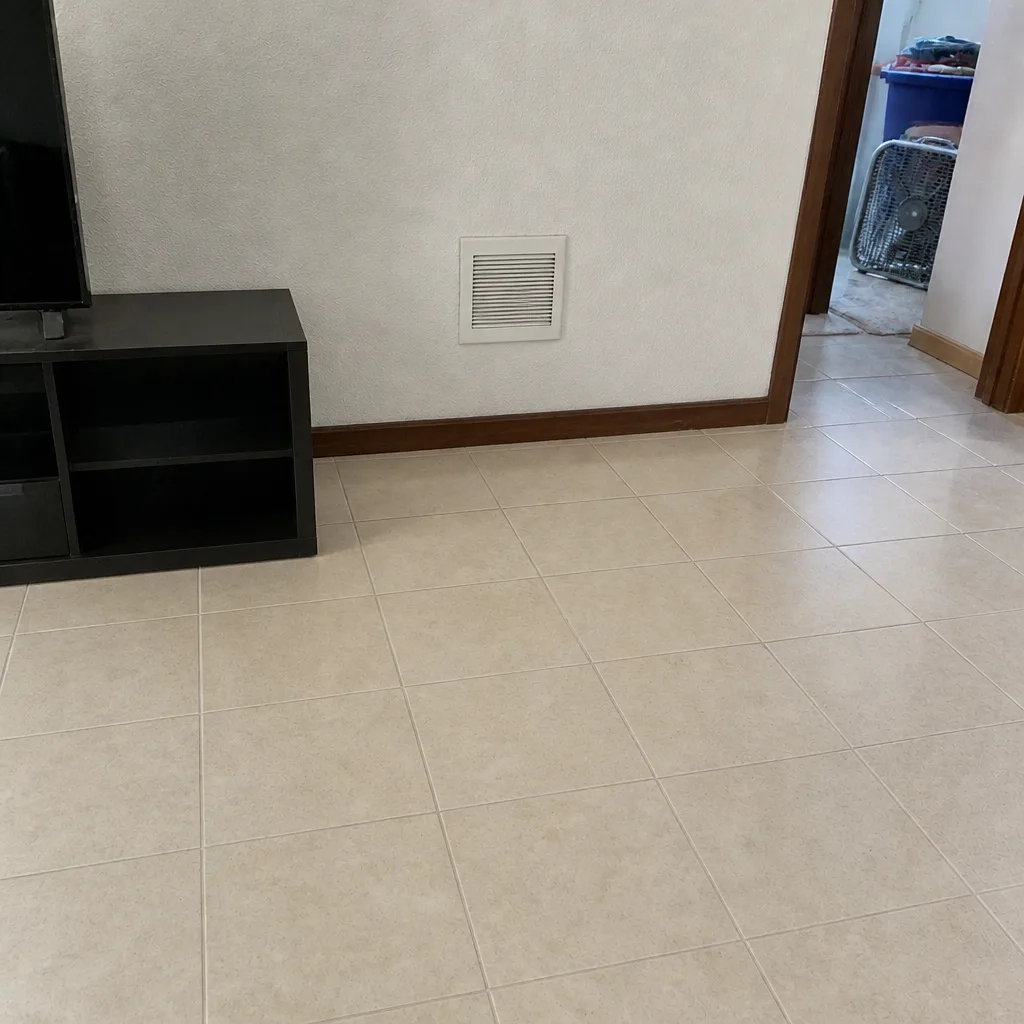
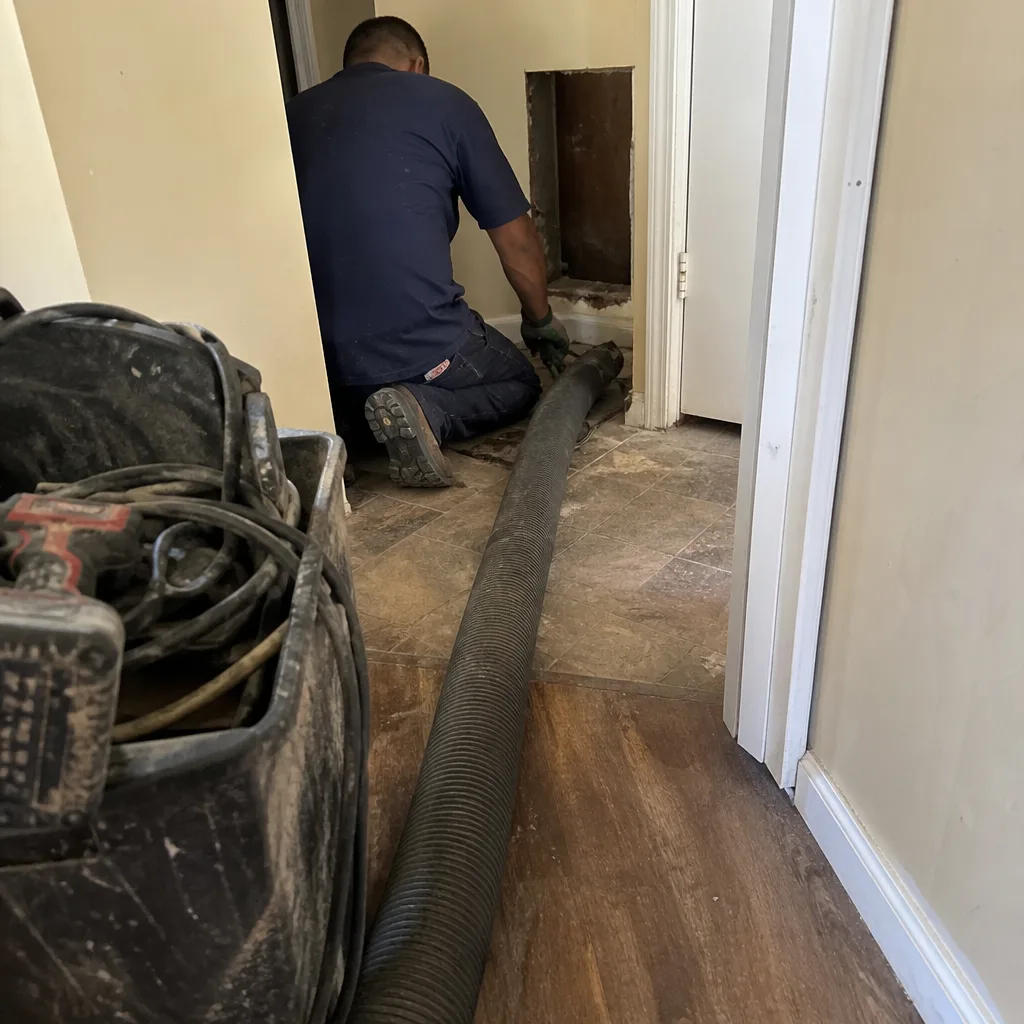
Whole-system duct and dryer vent check with before-and-after photos - you see exactly what came out of your vents
That "$99 whole-house special" is a bait ad - the real number appears once they are in your hallway, or the "clean" is a shop-vac at the register. We photograph the inside of your ducts before and after instead.
Air Duct Cleaning Maintenance Checklist for Laredo Homeowners
Most duct maintenance checklists are built for technicians doing an annual tune-up. They assume gauge readings, anemometers, and a service van full of tools. That’s not much help to a homeowner trying to keep a system healthy between professional cleanings. Here’s the counterintuitive part: a lot of what matters most you can check yourself, in about five minutes a month, with a flashlight and a white cloth. What you can’t see building up inside the ducts is exactly what quietly cuts airflow and pushes your cooling bills up. This guide is the homeowner’s version of the checklist: what to look at, how often, and the specific signs that mean it’s time to call a professional in Laredo.
Quick Answer
A practical air duct maintenance routine for a Laredo home comes down to three habits: check your registers and grilles monthly with a flashlight and white cloth, change your filter on a schedule built around our dust load rather than the 90-day figure printed on the packaging, and test dryer vent airflow seasonally. Anything that points to a restriction, moisture, or pest problem inside the ducts themselves is a call-a-professional trigger, not a DIY fix.
Styles & brands we work with
- Whole-home duct cleaning
- Dryer vent cleaning
- Camera inspection
- Sanitizing & deodorizing
Table of Contents
- Monthly Visual Checks at Your Registers
- Filter Changes Calibrated to Laredo’s Dust Load
- The Dryer Vent Airflow Test
- Seasonal Benchmarks Before Summer and After the Heating Season
- DIY Fix vs. Professional Cleaning: The Line
- What Professional Equipment Actually Does
- Common Mistakes to Avoid
Monthly Visual Checks at Your Registers
The supply registers are the vents blowing air into your rooms. The return grilles are the larger ones pulling air back into the system. Together they’re your best early-warning system. A clogged return grille can reduce airflow enough to raise cooling costs by roughly 15% without triggering a single warning light. Once a month, walk the house with a small flashlight and a white cloth and look at both.
Here’s the routine we suggest:
- Run your hand across each return grille. A light film of dust is normal. A visible mat or anything you can see building up means air is struggling through and the grille needs cleaning at minimum.
- Wipe the inside of a supply register with the white cloth. The white surface makes dust obvious. Light gray dust wipes off easily; sticky, dark, or sooty residue is a different problem.
- Look for streaks at the register edge where air escapes past a loose seal. Streaking tells you the register plate isn’t sitting tight.
- Check for moisture or discoloration at the grille and on the drywall around it. In a Laredo summer, condensation problems show up here before anywhere else.
- Note which rooms feel weak. If one bedroom never gets the airflow the others do, a register may be closed, blocked by furniture, or the branch line may be restricted.
Log anything you notice. A short note on a calendar or phone reminder turns “I think it’s dustier this month” into a real date, which makes it far easier to tell whether the buildup is getting worse. If you find dust accumulating on the same register every month, that’s the register worth investigating first.
Filter Changes Calibrated to Laredo’s Dust Load
The 90-day filter interval on the packaging was not calibrated to Laredo. Our part of South Texas sits in a dry, windy, dusty climate, and homes here pull more particulate into their return air than the national average the packaging figure is based on. A filter that would last three months in a wetter, calmer climate can load up faster here.
Ignore the number on the box and check the filter itself:
- Hold it up to a light. If you can’t see light through the pleats, it’s done. Change it.
- Look at the color across the face. A uniform gray film that has reached into the folds means it’s loading up. A dark band down one side means that side is plugged.
- Run a finger down the pleats. Loose dust on the surface is fine; dust packed into the channels restricts airflow.
- Watch your timing. If your filter looks spent after 30 to 45 days, plan to change it monthly instead of waiting out the packaging interval.
Use the right filter, too. A very high-MERV filter can actually strain a residential system’s airflow if the ductwork wasn’t designed for it. Match the filter to what your system calls for, and change it on the schedule your own home demonstrates, not the generic one. Walking to the return grille with a fresh filter once a month is the single easiest habit in this guide, and in our experience it’s the one homeowners skip most often. Pay attention to the dust load of your street: homes near active construction or on unpaved side roads near the south Laredo area load up faster than homes tucked in shaded, paved neighborhoods, and the filter wants changing sooner.
The Dryer Vent Airflow Test
Your dryer vent is a documented fire risk, not a nuisance. NFPA data links clogged dryer vents to thousands of residential fires annually, and lint buildup is the fuel. It’s a primary safety item in every Laredo home, and you can test it yourself with a simple airflow check.
Here’s the airflow test anyone can do:
- Run the dryer on air-fluff or a no-heat setting for a couple of minutes with the door open. Feel the air coming out of the outdoor vent hood.
- Put your hand in front of the outdoor vent while the dryer runs. You should feel strong, steady airflow. Weak airflow is a restriction sign.
- Watch a lightweight object. Hold a tissue or thin strip of paper near the vent. If it flutters weakly or droops, the line is restricted.
- Look for lint. Visible lint around the hood or on the ground beneath it means lint is escaping the cap, a typical sign of a partially plugged line.
- Check the full run. Feel along the duct from dryer to exterior. A flexible, coiled, or crushed run makes airflow much worse than a smooth one.
- Check the lint screen and the duct behind the dryer. A clogged screen or a caked short run behind the appliance is a quick fix. A clog farther along the line is a professional job.
Two more early dry-fire signals: clothes taking longer than expected to dry and a dryer cabinet that feels hot to the touch. Any of these in combination with weak airflow should trigger a call. We treat dryer vent cleaning as a primary safety service for exactly this reason, and the fire-risk reduction is the argument for doing it on a schedule.
Seasonal Benchmarks Before Summer and After the Heating Season
Laredo’s climate runs hot most of the year, with a short heating season. Push the checklist calendar around that rhythm:
Before summer cooling season (the important one here):
- Walk every return and supply register and wipe the grilles. Clean grilles reduce particulate load once the system starts working hard.
- Replace the filter and note the date. Then check filter condition monthly through the hottest stretch.
- Feel airflow at each supply register and compare rooms. Weak airflow before cooling season is much cheaper to address than in the middle of August.
- Test the dryer vent and clean the lint screen and short run behind the dryer.
- Check for any musty smell when the system first cuts on. That smell lingering isn’t normal and points to what’s inside the ducts.
After the brief heating season:
- Recheck filter condition. Heat runs can stir up settled dust.
- Look for condensation or moisture at any register, especially one on an exterior wall where temperature swings are sharper.
- Recheck dryer vent airflow, since the line can collect lint at different rates depending on the season’s use.
Two checkpoints a year is a workable baseline for most Laredo homes. Homes with heavy pet traffic, recent remodeling activity, or allergy-sensitive residents may want to check filters and registers more often.
DIY Fix vs. Professional Cleaning: The Line
Knowing where your job ends and ours begins saves you time and protects the system. Here’s the practical split.
DIY fixes:
- Cleaning register faces and grilles.
- Changing the filter on schedule.
- Removing obstructions like furniture or rugs blocking a register.
- Cleaning the short run of duct behind the dryer and the lint screen.
- Cleaning the outdoor dryer vent cap of visible lint.
Call a professional when:
- Dust builds up on grilles month after month after cleaning.
- Airflow is weak at multiple registers and cleaning didn’t help.
- You smell a persistent musty or sour odor when the system runs.
- You find moisture, dark staining, or pest evidence inside the ductwork.
- The dryer vent’s airflow is weak even after cleaning behind the appliance.
- Clothes take noticeably longer to dry with the dryer heating normally.
- There’s visible damage or a loose connection in the duct run itself.
- You’re dealing with allergy flare-ups that persist alongside dust buildup.
The line is simple: anything you can wipe, swap, or clear from the outside is yours. Anything that’s inside the ductwork and affecting the whole system is where a specialist belongs.
What Professional Equipment Actually Does
When it’s time for a professional air duct cleaning, the equipment is what separates a real cleaning from a surface wipe. Consumer-grade shop vacs move air but capture very little at the duct surface, and they stir up as much as they remove. Professional contact cleaning is a different category.
We use Rotobrush contact-cleaning systems to agitate and lift dust from the duct walls, then capture it with Nikro HEPA vacuums so it leaves the system rather than your ceiling. Abatement Technologies air filtration equipment, the same category of gear deployed on professional remediation projects, keeps the job area controlled from start to finish. Run in the right sequence, that combination produces a measurable change: in airflow, in dust levels, and in how your HVAC performs.
This matters most after the whole-system kind of buildup we see in Laredo, where the dust load truly tests a filter. Contact cleaning reaches the duct walls rather than just the open air. It also means structural issues that show up mid-job get handled. We offer air duct cleaning alongside Air Duct Repair as core services, so a loose joint, torn section, or disconnected branch line found during cleaning gets fixed rather than handed off to a second contractor.
Post-cleaning, bridging duct cleaning with whole-home air quality improvements is possible because we work with Honeywell and Aprilaire air quality systems. That turns cleaning into a chance to improve the whole system’s air handling, not just a one-off scrub. When it comes time to schedule, you’ll want a specialist who treats the whole duct system, not one who treats it as a side service.
Common Mistakes to Avoid
- Trusting the filter packaging over your own eyes. The 90-day interval was not calibrated to Laredo’s dust load. Check the filter itself and change it when it’s actually loaded, not when the box says to.
- Skipping the dryer vent because “it’s just an appliance.” Dryer vent lint is a fire risk backed by NFPA data, and a weak airflow test is the signal. Treat it as safety maintenance, not an add-on.
- Ignoring weak airflow in one room as a fluke. A single room with poor airflow in a Laredo home is often a closed register, blocked furniture, or a restricted branch. Check the easy causes first, then note it if it persists.
- Using a shop vac to “clean” the ducts. A consumer vacuum doesn’t seal to the duct or capture at the wall, and it can stir up more dust than it removes. Use a professional contact cleaning and HEPA capture.
- Cleaning the grilles and calling it done. Wiping the register face doesn’t touch what’s on the duct walls downstream. Visible dust on grilles after repeated cleaning is a sign the whole system needs attention.
- Over-filtering. A filter the system wasn’t designed for can choke airflow. Match the filter to what your system calls for rather than buying the highest-MERV option on the shelf.
- Waiting for a smell to get worse. A musty odor that lingers when the system runs points to what’s growing or sitting inside the ducts. That’s a call-a-professional trigger, not something to mask.
See the difference
 Before
 After
 Before
 After
 Before
 After
When to Call a Professional
Some problems are genuinely beyond a homeowner’s checklist. Call a professional when repeated cleaning of register faces doesn’t stop dust from piling up, when airflow is weak across multiple rooms and cleaning doesn’t fix it, when a musty or sour odor lingers while the system runs, or when you find moisture, staining, or pest evidence in the ductwork. Call when the dryer vent airflow test comes up weak even after you’ve cleared the lint screen and the short run behind the dryer. And call when you see visible damage or loose connections in the ducts themselves. Duct Cleaning Laredo offers free estimates in Laredo. Call Duct Cleaning Laredo at (844) 938-0644. We answer 24/7. Fast dispatch from 7am to 7pm, Sunday through Friday.
Frequently Asked Questions
Most Laredo homes do well with a professional cleaning every few years, or sooner if you see the signs this checklist covers: dust returning to grilles quickly, weak airflow, persistent odors, or heavy dust from remodeling, pets, or a nearby construction project. The right interval is driven by what your home shows you, not a fixed calendar. Call (844) 938-0644 for a free estimate and we’ll help you judge.
Check your filter monthly and change it when it’s loaded, not on the packaging’s 90-day interval. Laredo’s dry, dusty climate loads filters faster than the national average the box figure is based on, so many homes here need a change every 30 to 45 days. If light won’t pass through the pleats, it’s done.
Low quotes usually reflect a surface-level pass with consumer equipment that doesn’t seal to the duct or capture at the wall. A proper job uses professional contact cleaning and HEPA capture, which costs more to run but actually removes what’s building up. Ask what equipment a company uses. Rotobrush, Nikro, and Abatement Technologies are the names to listen for. Call (844) 938-0644 for a free estimate.
Ask for before-and-after photos of your own ducts. A company doing real contact cleaning can show you the difference. Ask what equipment was used and whether the duct walls were actually agitated and captured, not just blown through. Call (844) 938-0644 for a free estimate and a clear scope of work.
Yes. NFPA data links clogged dryer vents to thousands of residential fires annually. Lint is highly flammable, and a restricted line traps heat. The simple airflow test in this guide is your early warning, and weak airflow is your signal to book a professional cleaning.
Test your dryer vent airflow before summer and after the heating season, and clean it whenever airflow is weak, drying times are long, or you see lint escaping around the outdoor cap. Treat it as scheduled safety maintenance rather than waiting for a problem. Call (844) 938-0644 for a free estimate.
The Bottom Line
The most useful duct maintenance happens between professional cleanings, and most of it fits into a five-minute monthly walk with a flashlight and a white cloth. Clean your registers, change your filter based on what your own home shows rather than the packaging, and run the dryer vent airflow test twice a year. Laredo’s dry, dusty climate puts more of a load on your system than the generic national advice accounts for, so trust your observations. When dust returns quickly, airflow weakens, or you smell something off, that’s the trigger to call. For ductwork and dryer vents done right, that’s where professional contact cleaning and HEPA capture come in.
When you’re ready for a professional assessment, call Laredo‘s duct specialists at (844) 938-0644 for a free estimate. Call (844) 938-0644. We answer 24/7. Fast dispatch from 7am to 7pm, Sunday through Friday.
Written by the team at Duct Cleaning Laredo.