
Last updated November 15, 2026
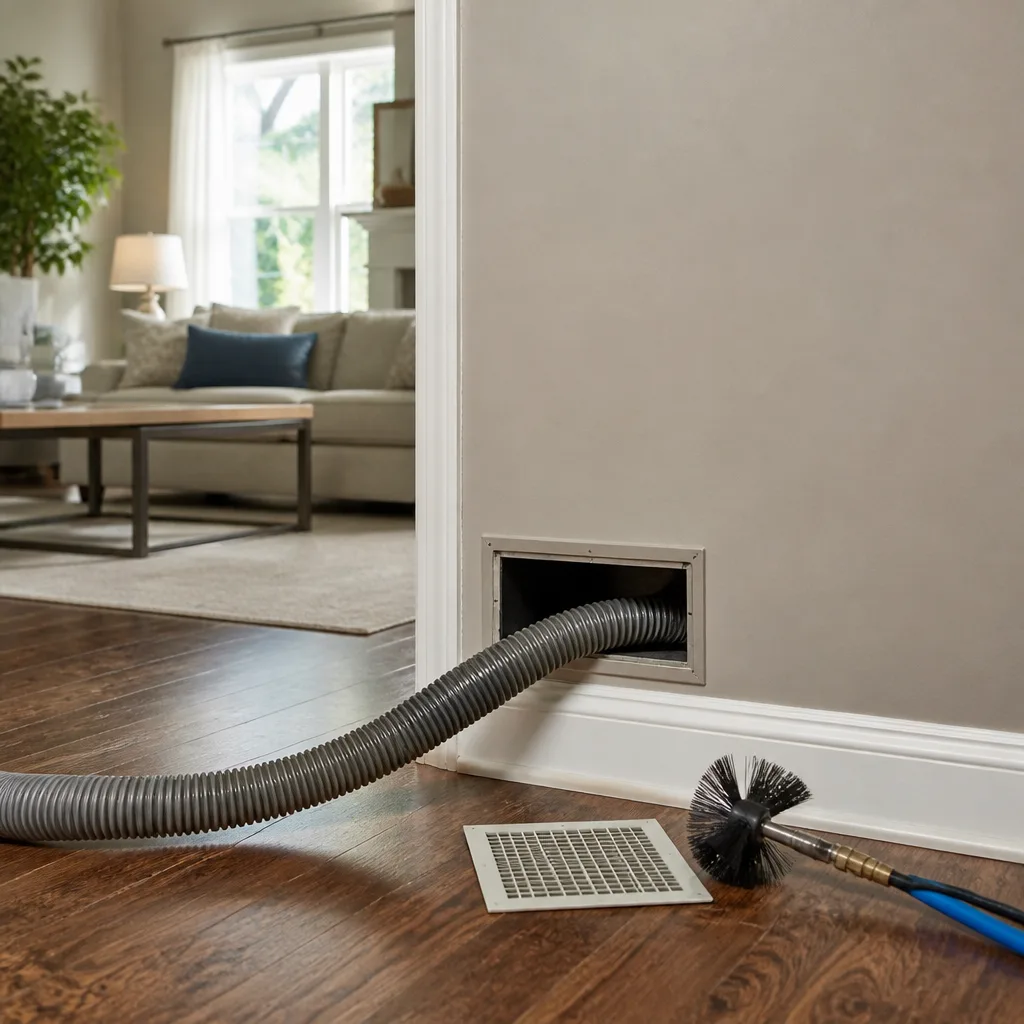 Whole-home duct cleaning
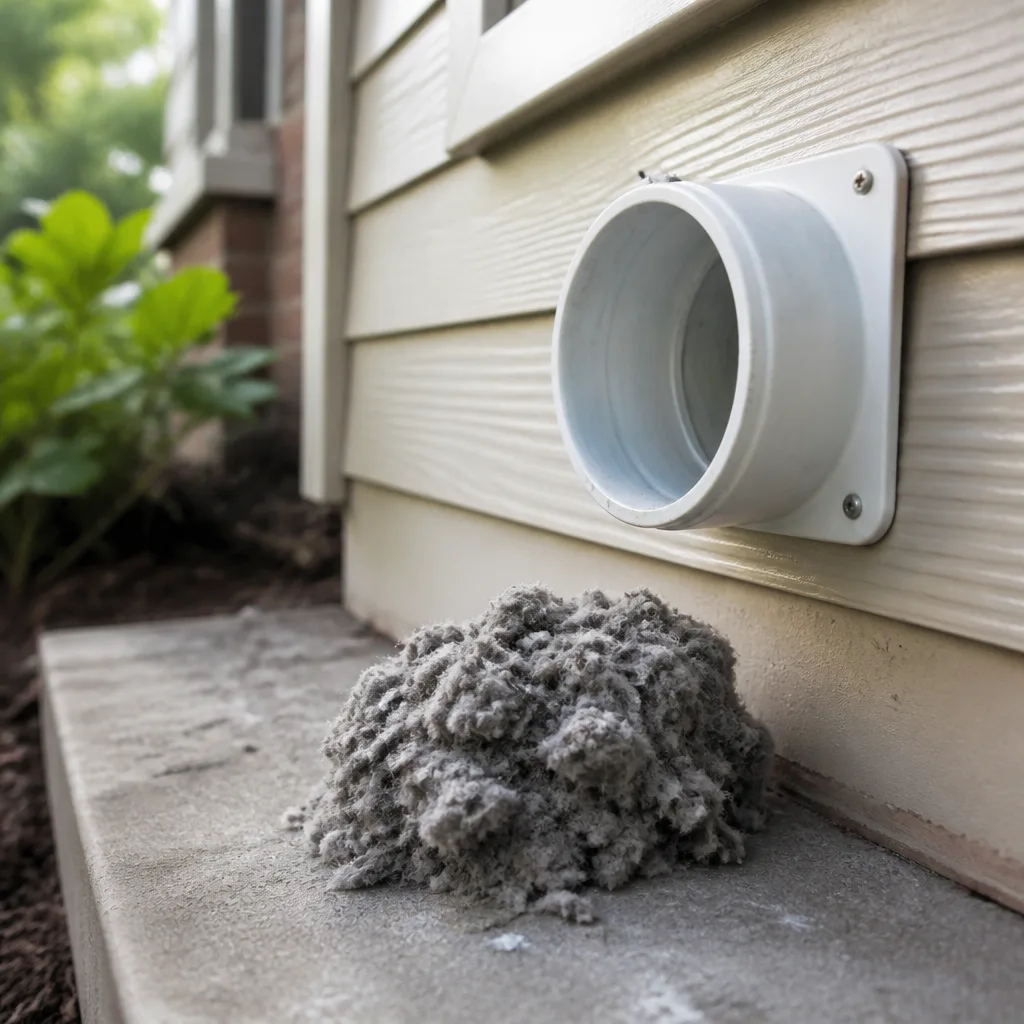 Dryer vent cleaning
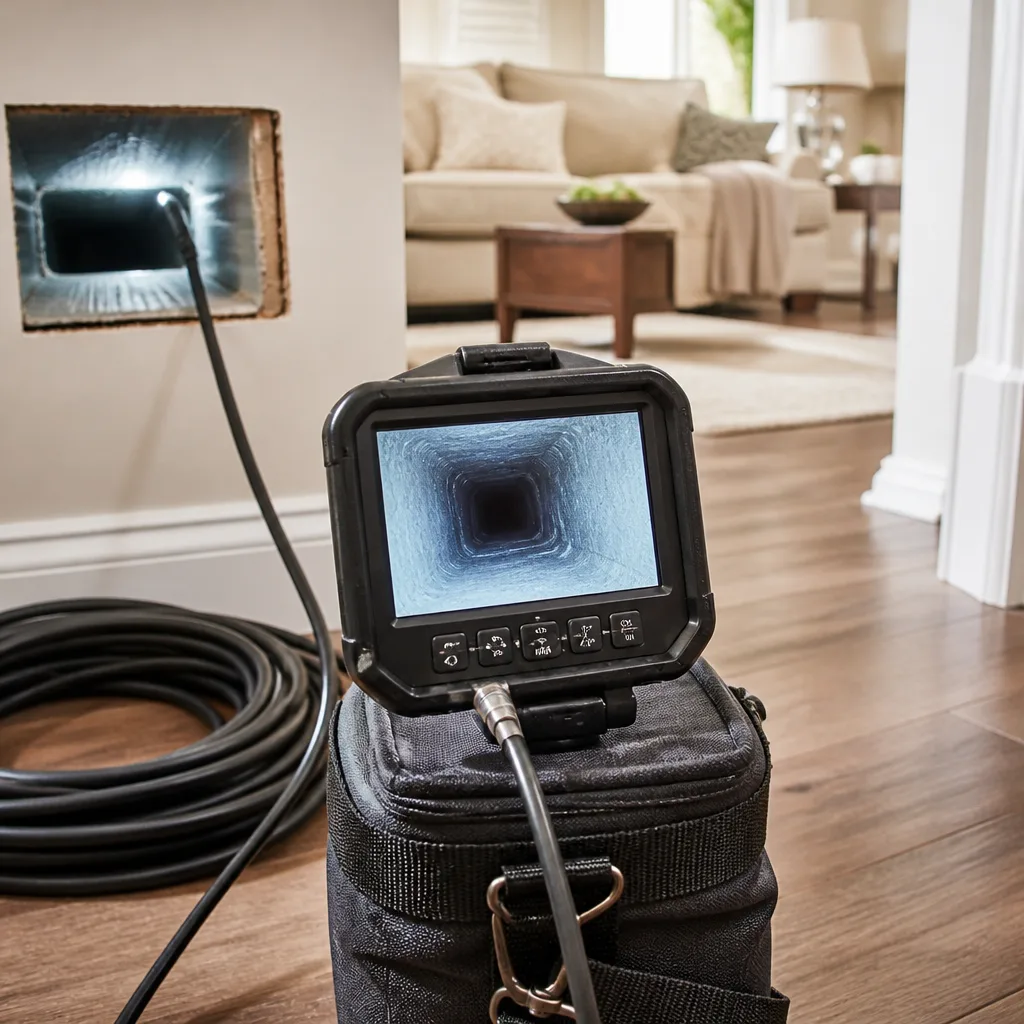 Camera inspection
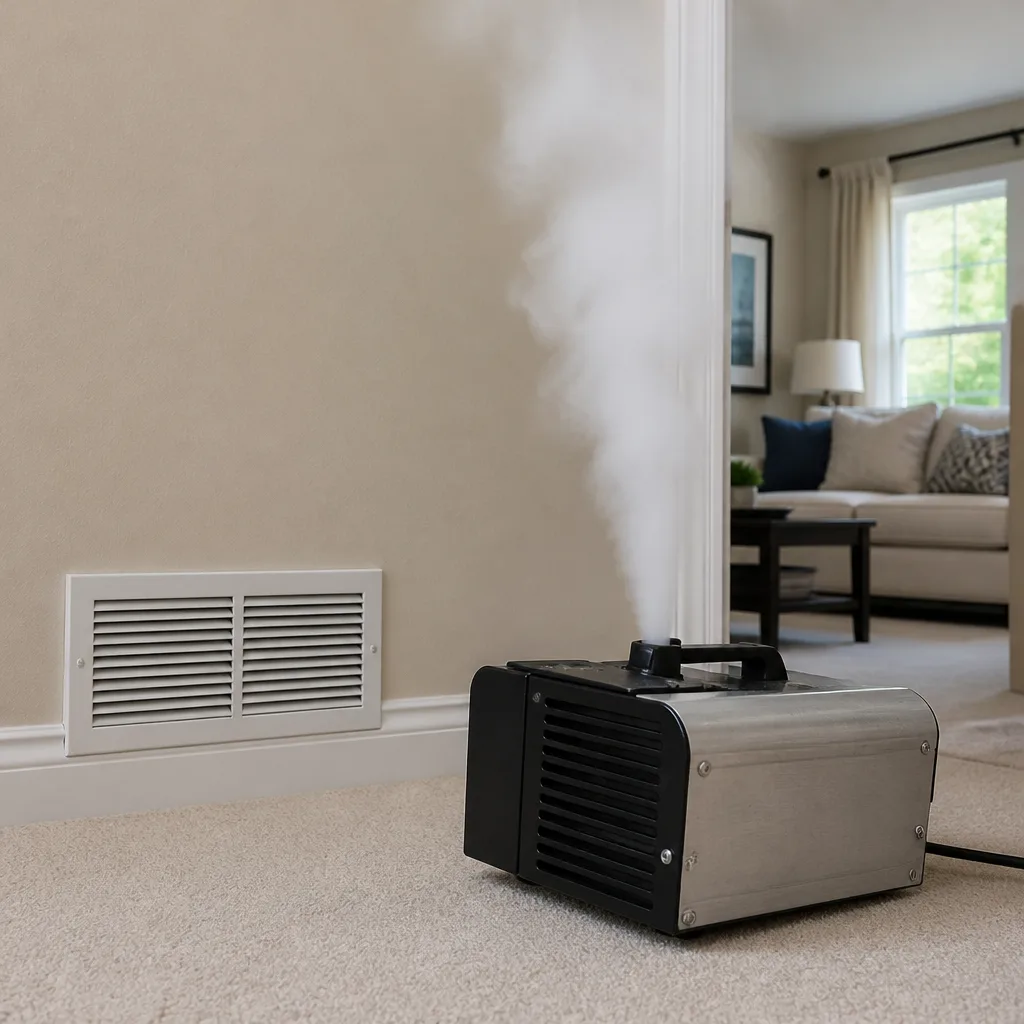 Sanitizing & deodorizing
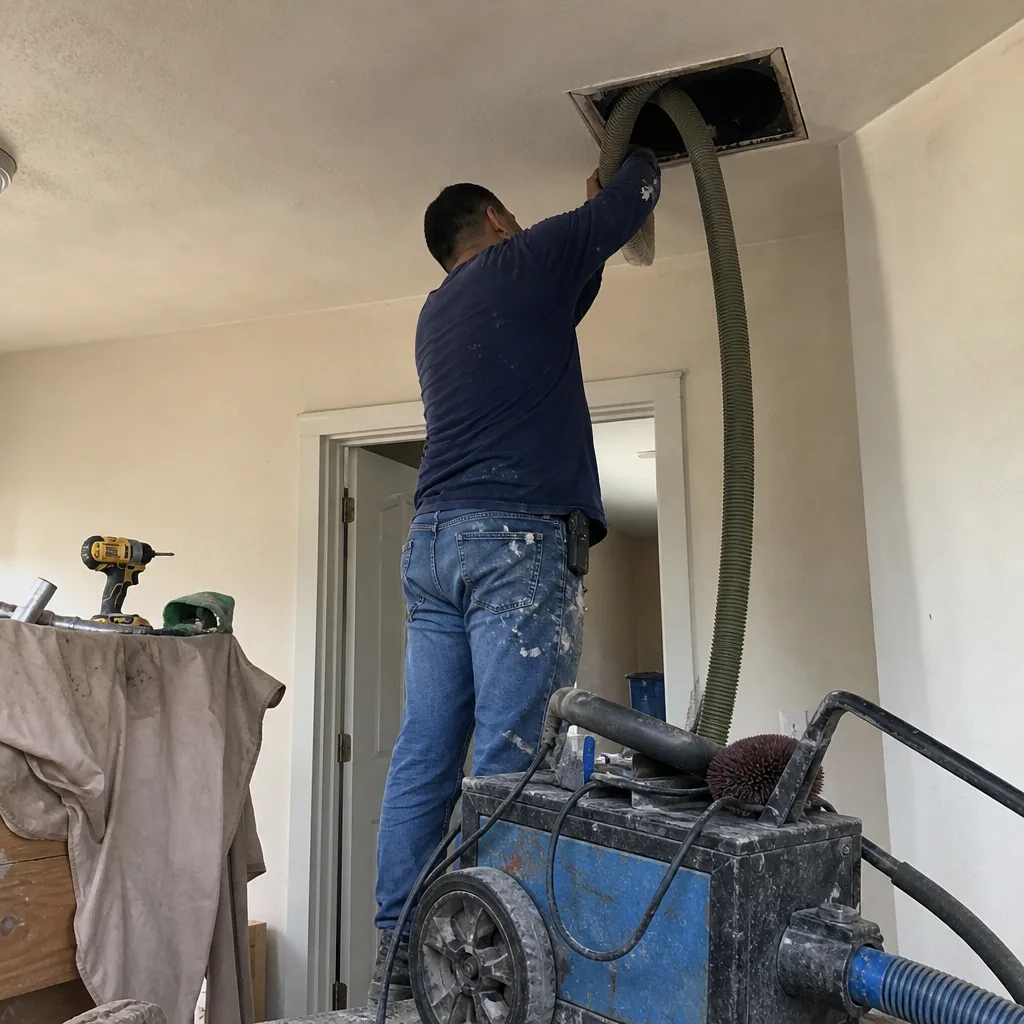
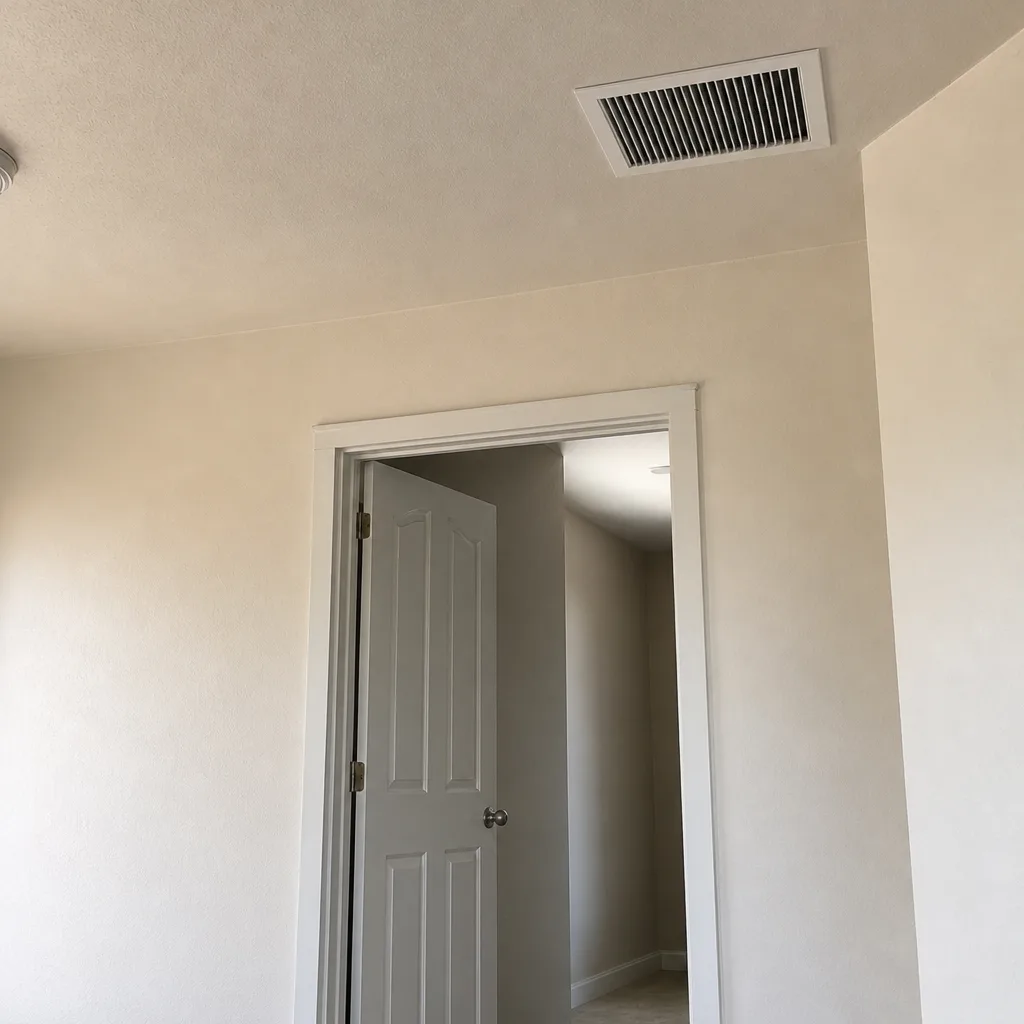
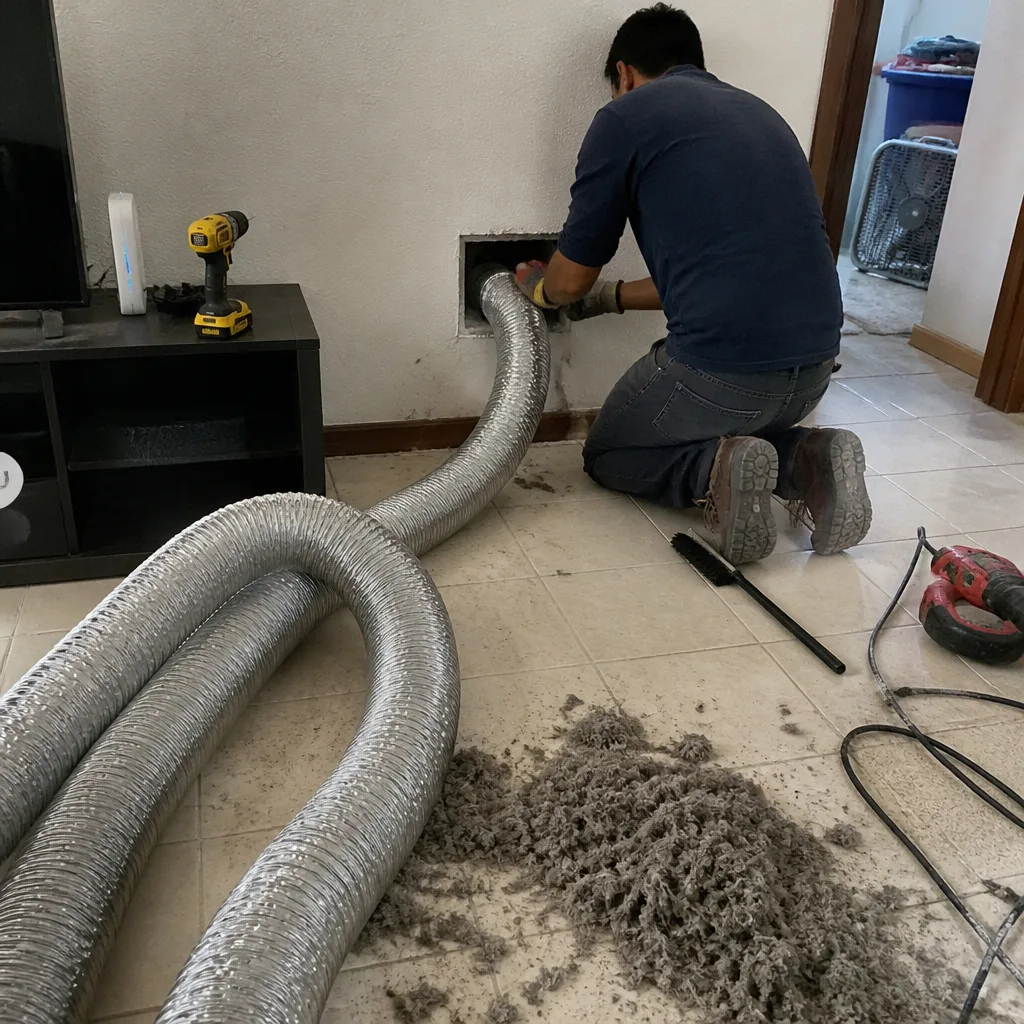
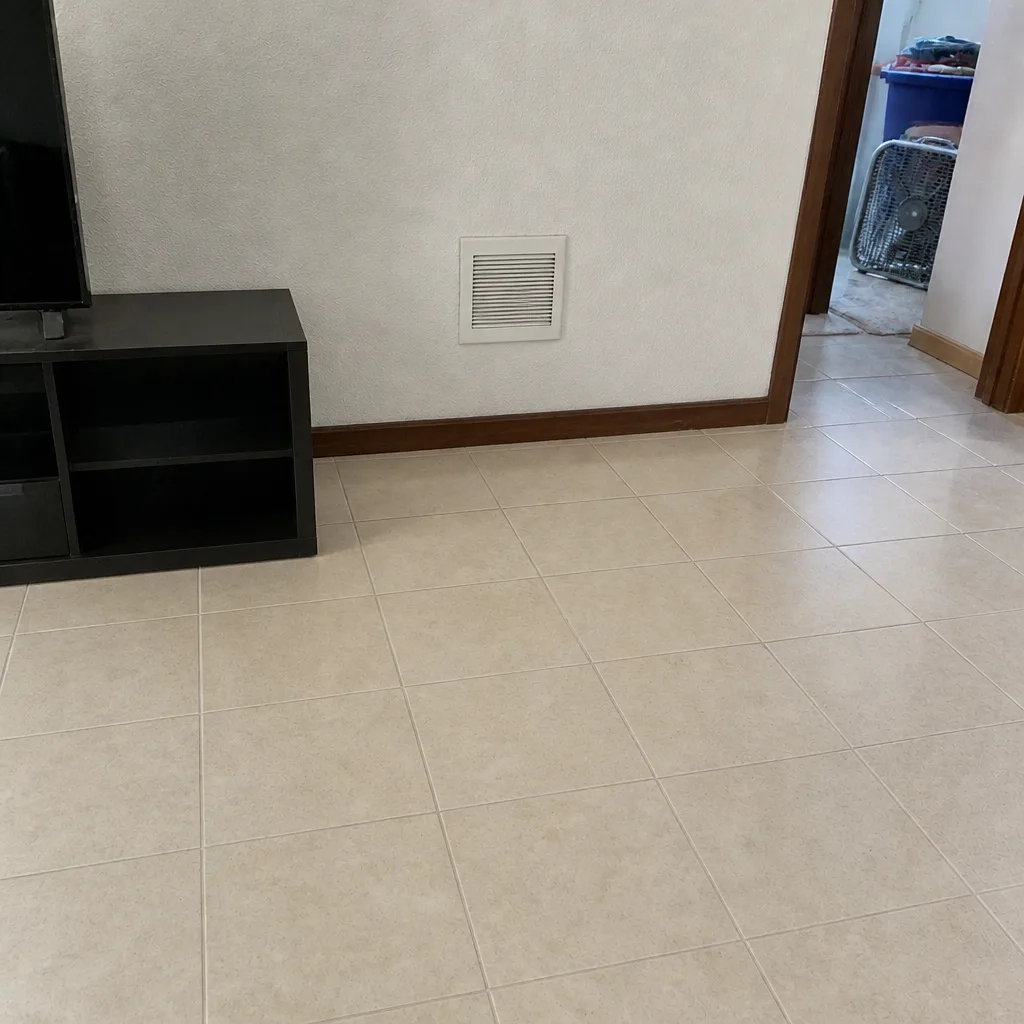
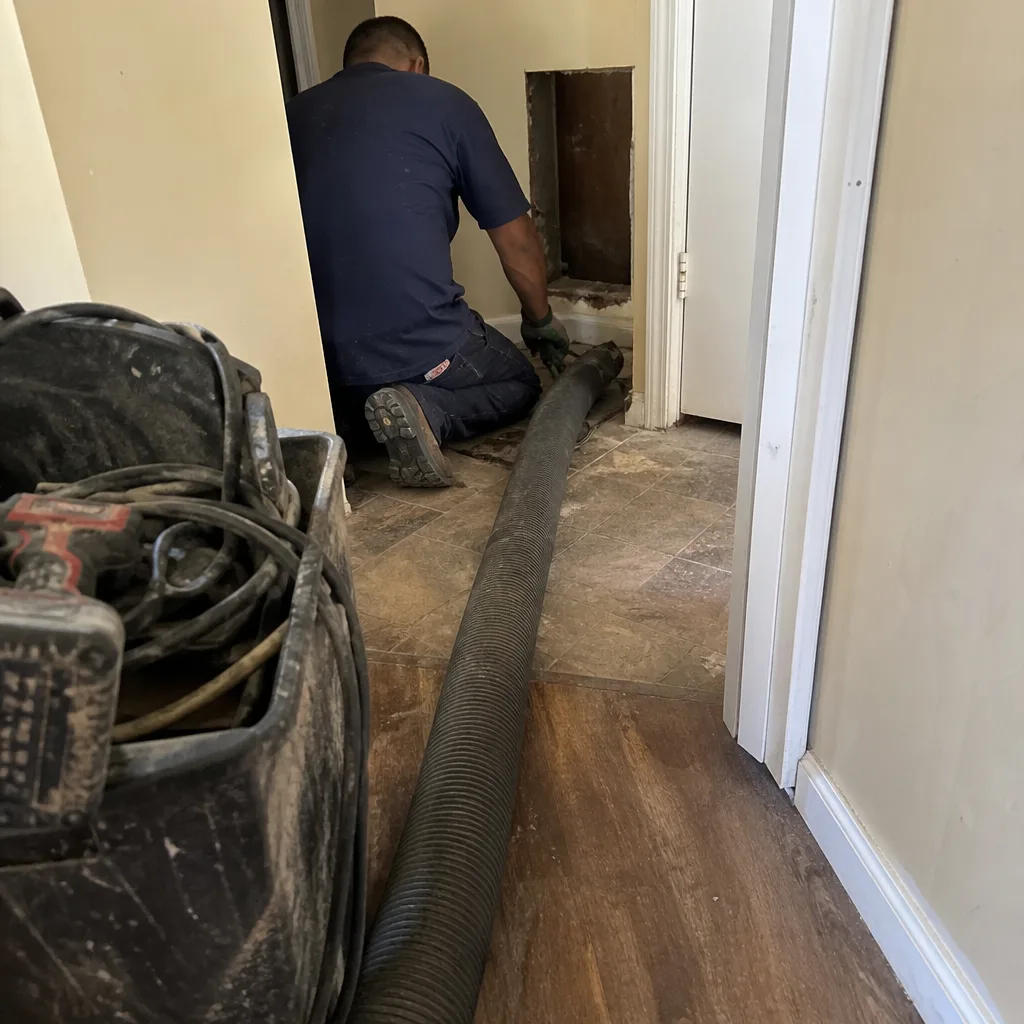
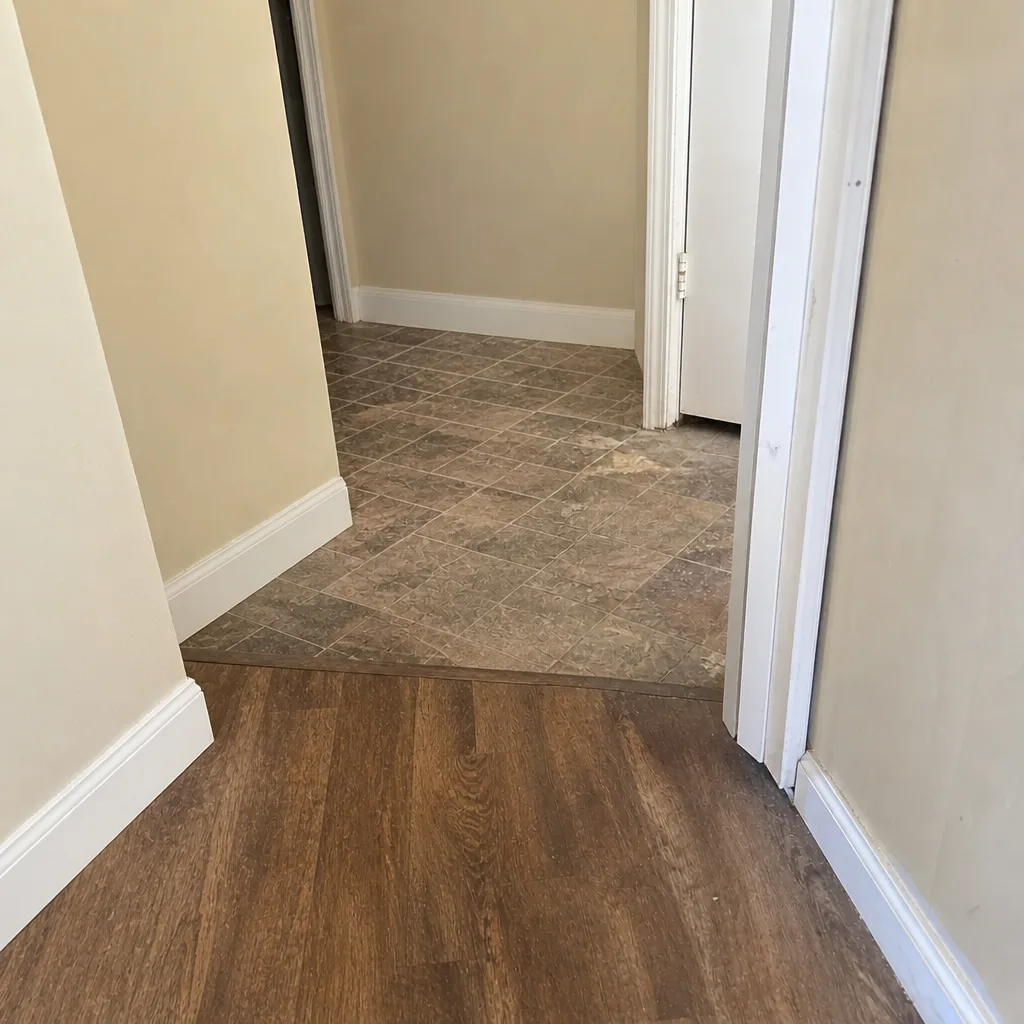
Whole-system duct and dryer vent check with before-and-after photos - you see exactly what came out of your vents
That "$99 whole-house special" is a bait ad - the real number appears once they are in your hallway, or the "clean" is a shop-vac at the register. We photograph the inside of your ducts before and after instead.
Air Duct Cleaning Troubleshooting in Laredo: Common Problems and How to Fix Them
If one room in your Laredo home is always hotter than the rest, the thermostat is probably fine. The compressor is probably fine too. In our experience, most of the airflow complaints, musty smells, and rattling noises that get blamed on the HVAC unit actually come from the ductwork itself. Dirty ducts choke airflow. Disconnected ducts dump conditioned air into an attic or crawl space. Damaged joints pull in dust from wherever they leak. This guide maps each symptom to its real duct-level cause, explains how a technician confirms the diagnosis before recommending anything, and shows when cleaning actually solves the problem versus when repair or sealing is the honest answer. It’s written for Laredo homeowners and property managers who want a straight explanation, not a sales pitch.
Quick Answer
Most air duct problems in Laredo come down to three things: accumulated caliche dust and debris choking airflow, mold or organic growth from our high summer humidity, and disconnected or damaged duct sections that leak conditioned air. A technician confirms which of the three is causing your symptom with a camera inspection and airflow readings before recommending cleaning, repair, or sealing. Cleaning alone fixes airflow restriction and contamination. It does not fix a disconnected duct or a collapsed flex run – those need repair, and the two jobs are often done together.
Styles & brands we work with
- Whole-home duct cleaning
- Dryer vent cleaning
- Camera inspection
- Sanitizing & deodorizing
Table of Contents
- Which Duct Problem Causes Which Symptom?
- That Musty Smell: Mold, Drain Pan, or Evaporator Coil?
- What a Camera Inspection Actually Looks For
- Why Laredo’s Caliche Dust and Humidity Make Duct Fouling Worse
- When Cleaning Fixes It – and When You Need Repair or Sealing
- Your Dryer Vent Is a Separate Fire Risk – Here’s the Difference
- Rattling, Whistling, and Banging: Duct Noise Troubleshooting
- Common Mistakes to Avoid
- When to Call a Professional
- Frequently Asked Questions
Which Duct Problem Causes Which Symptom?
Start with the symptom, not the system. The complaint the homeowner notices first is the most useful diagnostic clue, because every duct problem produces a fairly predictable set of symptoms. Matching them narrows the likely cause before anyone touches a tool.
- Uneven airflow between rooms points to a crushed or disconnected flex duct, a damper stuck in one position, or supply registers that are undersized for the room. Cold air never arrives where it should, so one bedroom stays hot while the living room gets plenty.
- Weak airflow from every register points to a restriction upstream: a clogged evaporator coil, a duct run partially collapsed, or heavy accumulation inside the main trunk line. When every room is affected, the problem is usually near the air handler.
- Musty or earthy odor only when the system runs points to biological growth inside the ducts or at the evaporator. If the smell shows up even when the fan is off, the source is more likely the drain pan or standing moisture nearby.
- Rattling or booming when the system kicks on points to duct sections that have come loose from their hangers or flex runs that are flapping. It’s usually an installation or fastener issue, not dirt.
- Dust settling on horizontal surfaces right after cleaning points to dirty ducts moving dust along with the air, or to leaks that pull attic dust back into the system.
- Rising energy bills with no other explanation point to air leaking out of disconnected joints, or to restricted airflow forcing the system to run longer cycles.
In Laredo, the uneven-airflow complaint is the one we hear most often, and it is the one most frequently misdiagnosed as a refrigerant or compressor problem. A technician who checks refrigerant pressure without looking inside the ducts is guessing at half the picture. Airflow is a network problem: the fan can move the right volume of air and still fail to deliver it to the right room if the ductwork leaks or chokes. For a walk-through of how a full professional clean addresses the contamination side of this list, see our air duct cleaning page.
That Musty Smell: Mold, Drain Pan, or Evaporator Coil?
A musty smell coming from your vents has three common sources, and they need three different fixes. Most homeowners assume mold inside the ducts, but the drain pan and the evaporator coil are just as likely – and cheaper to fix once you’ve found the right one. Here’s how to tell them apart:
- Mold in the ducts. The smell appears whenever the fan runs, strong at the registers, and fades when the system is off. You may see visible dark speckling near a register grille. Airflow may also feel weak. This one usually needs cleaning, and it’s tied to moisture that got into the duct system.
- A drain pan issue. The smell is strongest near the air handler, and you may find standing water in the pan under the evaporator coil. A pan that isn’t draining leaks moisture into still air, which grows biological growth. This needs a drain-line fix, not a duct clean.
- A dirty evaporator coil. The smell is faint at the registers but noticeable near the air handler, and airflow is weak across every room. The coil’s fins collect dust, and condensation on the fins grows growth. Cleaning the coil is a separate service from cleaning the ducts – though a technician will often recommend both if the ducts are fouled.
Here’s the part that’s easy to miss. The evaporator coil, the drain pan, and the duct trunk line all meet at the same place, so a smell can be “in the ducts” and also coming from the coil. A proper diagnosis checks all three. Cleaning the ducts without addressing a dirty coil that keeps growing growth just puts a clean duct system over a small, ongoing source. When we confirm a moisture source in a Laredo system, we recommend addressing the source before the clean, so the ducts stay clean.
What a Camera Inspection Actually Looks For
Before any recommendation, a technician should inspect the inside of the duct system with a camera and take airflow readings. The point is to distinguish three separate problems – contamination, restriction, and structural damage – because cleaning only fixes the first one. Here’s what a competent inspection should confirm, in order:
- Visual contamination level. How much dust is sitting in the trunk and branch runs. A light film is normal; a dust layer thick enough to hold its shape in the duct is not.
- Biological growth. Visible dark spots or a musty smell from the camera feed, which points to a moisture problem that needs addressing alongside the clean.
- Structural integrity. Whether flex runs are torn, whether sections have separated from their fittings, and whether the trunk line is crushed. This is what determines whether cleaning alone is enough.
- Leak points. Gaps at joints, loose takeoffs, or disconnected runs that pull attics or wall cavities into the returning airflow.
- Airflow readings at the registers. Numbers that show whether the system is delivering roughly what the blower is moving. Uneven readings across rooms point to a specific run, not a general dirt problem.
This is the step that separates a real diagnosis from a sales visit. If a technician quotes a clean without looking inside the ducts, ask what they’re basing the recommendation on. We use Rotobrush contact-cleaning systems and Nikro HEPA vacuum equipment, the same class of tools used on commercial jobs, and inspect before we clean – so the recommendation matches the actual condition, not a flat script. If the inspection turns up structural damage, that’s the moment a generalist would hand you off to a second contractor. Our air duct repair service is built to handle it on the same visit.
Why Laredo’s Caliche Dust and Humidity Make Duct Fouling Worse
Laredo’s combination of caliche dust and summer humidity creates a duct-fouling problem you won’t find in most dry-climate cities. Caliche is the calcium carbonate-rich soil that underlies much of the terrain around Laredo, and when it dries out and blows, it produces a fine, powdery dust that finds its way into return-air paths, attics, and unfinished spaces. That dust doesn’t settle the way heavier soil dust does – it stays airborne longer, which means it travels farther into the duct system. Once inside, it builds a layer on the duct walls.
Now add humidity. Laredo summers run humid overnight and often into the early morning, and a duct system that’s working hard pulls moist air through the return. That dust layer becomes a moisture trap. In a truly arid climate the same dust stays dry and mostly inert. In Laredo it holds moisture against the interior surface, which is exactly the condition that supports biological growth. That’s why a Laredo duct problem often shows up as both a dust complaint and a smell complaint in the same house – they’re two sides of the same moisture-fed layer. If you want more on how this region’s dust and seasonal swings feed duct conditions, our Laredo page covers the local climate picture.
The practical takeaway: in Laredo, dust control inside the ducts matters more than in drier climates, and the interval between cleans should reflect it. A house that runs its AC hard through the summer pulls far more air – and with it, caliche dust – through the system than a comparable home in a mild climate. Homes in older neighborhoods with mature vegetation and unpaved driveways tend to see the layer build faster.
When Cleaning Fixes It – and When You Need Repair or Sealing
Cleaning fixes contamination. It does not fix a duct that’s physically separated, crushed, or leaking, and recommending a clean for those problems is a mistake that leaves the symptom in place. Here’s the honest split:
- Cleaning is the right fix when: dust is built up but the ducts are intact, airflow is weak but reads evenly (restriction in the system, not a break), or biological growth is the complaint and the moisture source is being addressed.
- Repair is the right fix when: a flex run has torn or come loose at a fitting, a section has collapsed, a register boot is disconnected, or an attic run was chewed through or crushed during a past install.
- Sealing is the right fix when: the ducts leak at joints and fittings but are otherwise sound – the symptom is a whole-house airflow loss plus attic or wall-cavity dust being pulled into the system.
- Both is the right fix when: damaged runs are also fouled. You can’t clean a duct that’s about to fall apart, and you can’t leave dirt behind a repair you just closed up.
This is where a single company doing both jobs matters. In our experience, when the inspection finds a torn run, the clean and the repair happen together – the run gets cleaned, repaired, and then the system verified with airflow readings. Handing a homeowner to a second contractor for the repair usually means the clean gets done, the repair waits, and the problem returns. Our air duct repair service exists separately for exactly this reason. Cleaning, repair, and the post-cleaning airflow check are one appointment, one flat price agreed before work starts, and before-and-after photos of your own ducts so you can see what actually changed.
One more note on what cleaning won’t do: it won’t cure a mold problem that keeps recurring from a moisture source you haven’t fixed. If the evaporator coil is dirty or the drain pan is leaking, address that first. Otherwise the ducts will grow the same growth again within a season.
Your Dryer Vent Is a Separate Fire Risk – Here’s the Difference
Homeowners often lump dryer vent cleaning in with duct cleaning, but they are two different systems with different risks. The duct system moves conditioned air. The dryer vent moves hot, moist exhaust air from the dryer to the outside, and lint accumulates in it every cycle. Clogged dryer vents are a documented residential fire risk – the NFPA links them to thousands of fires a year – so we treat dryer vent cleaning as a primary safety service, not an add-on.
The symptoms of a clogged dryer vent are distinct from duct problems:
- The dryer takes far longer to dry a load than it used to.
- The exterior of the dryer gets hot to the touch while running.
- The laundry room feels humid or smells like heated lint.
- You can’t feel strong airflow at the exterior vent flap when the dryer runs.
If any of those apply, the vent needs attention regardless of the state of your air ducts. Our dryer vent cleaning service is built around that risk – clearing the full run from the dryer connection to the exterior termination, not just the first few feet. If a homeowner’s real complaint is the dryer, cleaning the air ducts won’t help. If the complaint is dust, airflow, or smell, the dryer vent won’t fix it. Knowing which system is producing the symptom saves the unnecessary call.
Rattling, Whistling, and Banging: Duct Noise Troubleshooting
Duct noise usually gets blamed on the HVAC unit, but the source is almost always mechanical – a loose fastener, a loose hanger, or an undersized return. Here’s how a technician runs a noise diagnosis:
- Pin down when the noise happens. At system startup, continuous while running, or only as it shuts down. Startup banging points to loose duct sections flexing under pressure change; continuous whistling points to a restriction or an undersized register.
- Confirm the noise location with the fan on. Walking the run with the blower running will usually pinpoint the exact fitting or hanger that’s the source.
- Check for undersized returns. A return duct that’s too small for the system forces high static pressure, which produces whistling at the grille.
- Re-secure the loose sections. Hangers and fasteners are the usual fix; sometimes a flex run needs replacing if it’s tearing at a fitting.
Noise isn’t usually a cleaning issue, but it can be a symptom of a run that’s pulling loose from a fitting – which the same inspection should catch. If a rattle shows up along with weak airflow in one room, the noise and the airflow problem usually share a cause, and one repair can fix both.
Common Mistakes to Avoid
- Assuming every problem is the compressor. Weak airflow and uneven temperatures are usually duct problems, not refrigerant problems. Have the ducts checked before you authorize an AC repair.
- Cleaning the ducts without addressing a moisture source. If the evaporator coil or drain pan is growing biological growth, cleaning the ducts alone lets the problem return. Fix the source first.
- Accepting a cleaning quote without an inspection. A technician who quotes a clean without looking inside the ducts with a camera is guessing. Ask what they based it on.
- Judging duct cleaning purely by cost. A low price often means a shop-vac and a hose instead of professional equipment. Rotobrush and Nikro systems are the industry standard; consumer tools won’t remove a caliche dust layer from the duct walls.
- Ignoring the dryer vent. In Laredo homes that run the dryer heavily, a clogged vent is a fire risk. It’s a separate service from duct cleaning, and it needs doing on its own schedule.
- Letting a repair wait after a clean. If the inspection finds a disconnected or torn run, it needs repair, not just cleaning. Putting it off means the dust returns quickly.
- Treating Laredo’s dust like a drier climate’s dust. Caliche dust plus summer humidity creates a moisture-fed layer that needs a real clean, not a quick pass with a shop vac.
When to Call a Professional
Call a professional when you notice any of these: one room in your home stays consistently hotter than the rest despite adjusted dampers; a musty smell comes out of your vents whenever the system runs; you see dust settling on surfaces faster than it used to; your energy bills are climbing with no other explanation; or your dryer takes noticeably longer to dry a load. Also call if you’ve had a recent renovation that produced dust, or if you haven’t had the ducts checked and you’ve been in the home a while. These are the symptoms our camera inspection is built to sort out, and it tells you which of three things you’re dealing with: contamination, restriction, or structural damage. Duct Cleaning Laredo offers free estimates in Laredo – call (844) 938-0644. We answer 24/7. Fast dispatch from 7am to 7pm, Sunday through Friday. The price is set per job by the written estimate, and every estimate is free.
Frequently Asked Questions
It depends on the size of the system and the condition the inspection turns up, so we don’t quote a number before we’ve looked. What we can tell you is how the price is set: one flat price per system, agreed in writing before work starts, with no per-vent pricing. That means the estimate doesn’t change once the technician is on site. If the inspection finds a repair is needed alongside the clean, that gets priced separately and in the written estimate too. Call (844) 938-0644 for a free estimate – estimates are free and there’s no obligation.
The cheap quote is usually a shop-vac and a hose, not professional equipment. Professional duct cleaning uses rotobrush contact-cleaning systems and HEPA vacuum equipment – the same tools used on commercial jobs – and those tools cost real money. A low-priced quote often means the technician runs a vacuum over the registers and calls it done. That’s not a clean, and the caliche dust layer in a Laredo duct system won’t come off with consumer tools. Ask what equipment each quote uses, and ask for before-and-after photos of your own ducts. Call (844) 938-0644 for an honest range and to compare.
Before-and-after photos of your own ducts, taken by the technician, are the simplest answer. We provide them as standard. Ask any company you consider whether they’ll provide photos of the inside of your system before and after cleaning. If they can’t or won’t, that’s a signal. The other check is airflow readings at the registers – a professional clean should show measurable improvement, not just a verbal “all done”. Call (844) 938-0644 for a free estimate and to see how the process works.
Dirty ducts don’t make anyone sick in a direct, provable way – and we won’t tell you otherwise. What they do is move dust, caliche particles, and biological growth through your home’s air, and for people with allergies or asthma, that’s a real trigger. The honest framing is this: clean ducts improve air quality and airflow, which most people can feel and measure. If someone is selling you a health claim, ask for the evidence. Call (844) 938-0644 to talk through your actual symptoms instead.
There’s no single correct interval. In Laredo, the caliche dust and summer humidity mean many homes benefit from a check every few years, and homes that run the AC hard or have recent renovations may need it sooner. The best rule is symptom-based: when you notice a persistent dust buildup, a musty smell, or uneven airflow, get an inspection. If you’ve never had the ducts checked and you notice any of those, it’s time. Call (844) 938-0644 for a free estimate and an inspection.
It gets repaired on the same visit. That’s the reason we offer air duct repair as a core service – a torn or disconnected run gets cleaned, repaired, and the system verified with airflow readings before we leave. We don’t hand you off to a second contractor for the repair. And it all fits into the written estimate every system gets, with before-and-after photos of the result. Call (844) 938-0644 for a free estimate and we’ll explain exactly what the inspection finds.
The Bottom Line
Most duct problems in Laredo aren’t unit problems – they’re duct problems, and the symptom tells you which kind. Uneven airflow points to a restriction or a disconnected run. A musty smell points to moisture in the ducts, the drain pan, or the evaporator coil. Rattling points to loose hardware. Caliche dust plus summer humidity makes Laredo’s duct fouling worse than a drier climate’s, which is why a proper camera inspection matters more here, not less. Cleaning fixes contamination and restriction. Repair fixes a broken duct. The best outcome is a specialist who inspects first, quotes one flat price, and can handle both jobs on the same visit – with photos of your own ducts to show the difference. Clean ducts are measurable, in airflow, dust levels, and how your HVAC performs. And the estimate is always free.
Call (844) 938-0644 for a free estimate. We answer 24/7. Fast dispatch from 7am to 7pm, Sunday through Friday. Our technicians have up to 11 years of experience, and we work with Honeywell and Aprilaire air quality systems when a clean turns into an air quality upgrade on the same visit.
Written by the team at Duct Cleaning Laredo.
See the difference
 Before
 After
 Before
 After
 Before
 After