
Last updated November 15, 2026
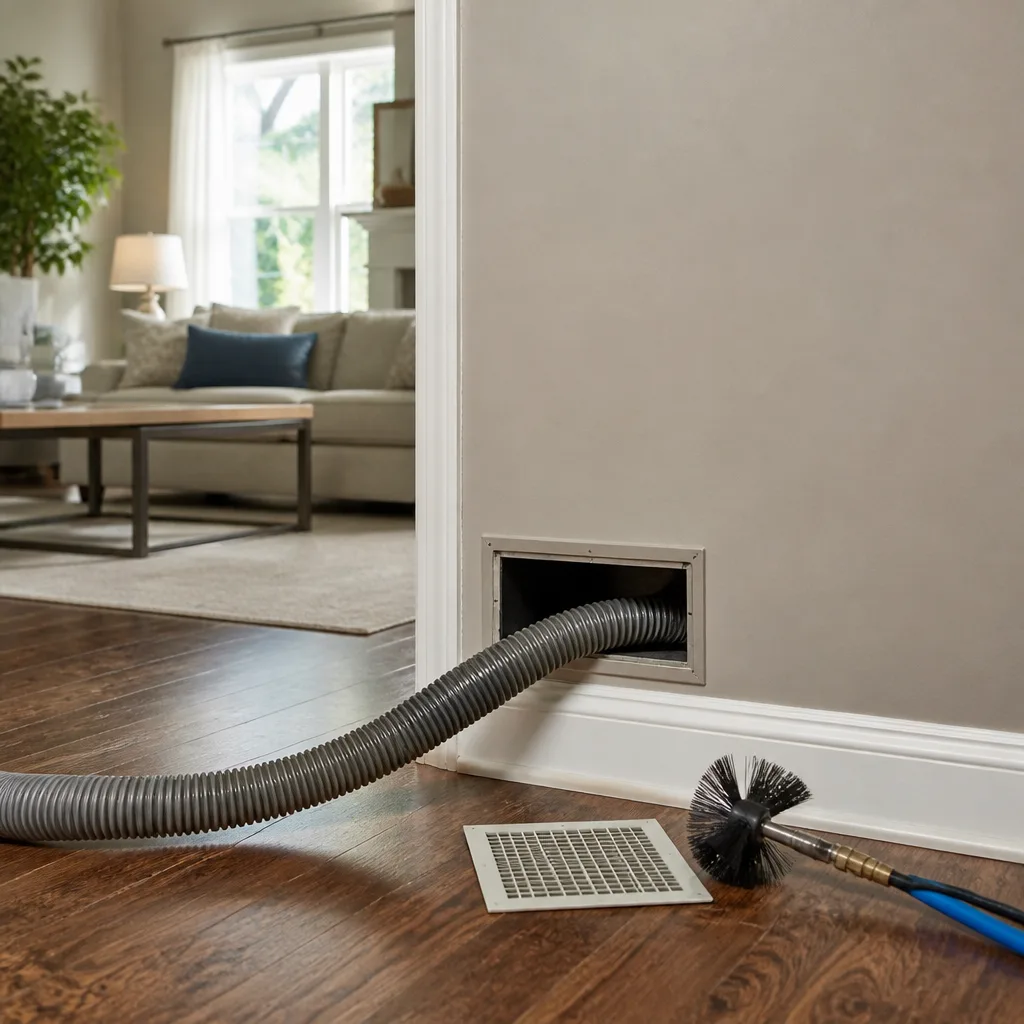 Whole-home duct cleaning
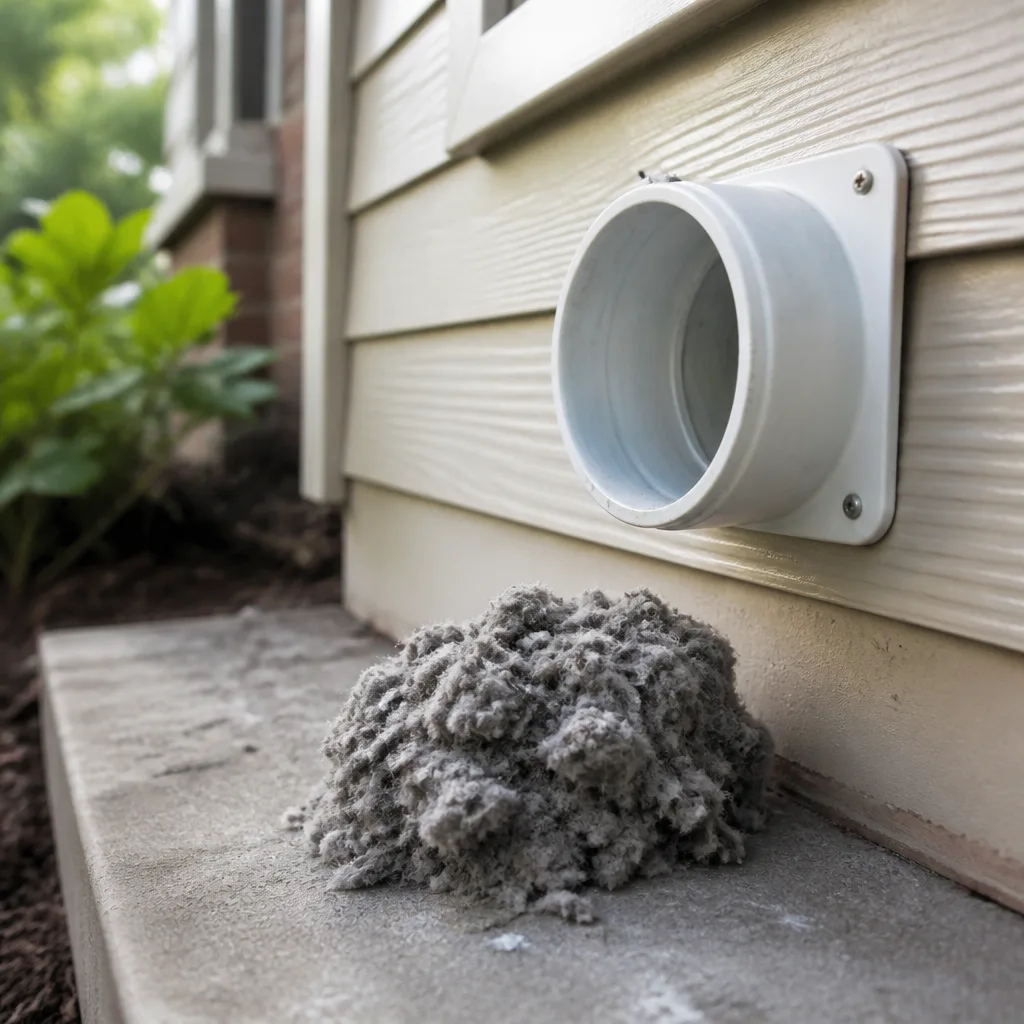 Dryer vent cleaning
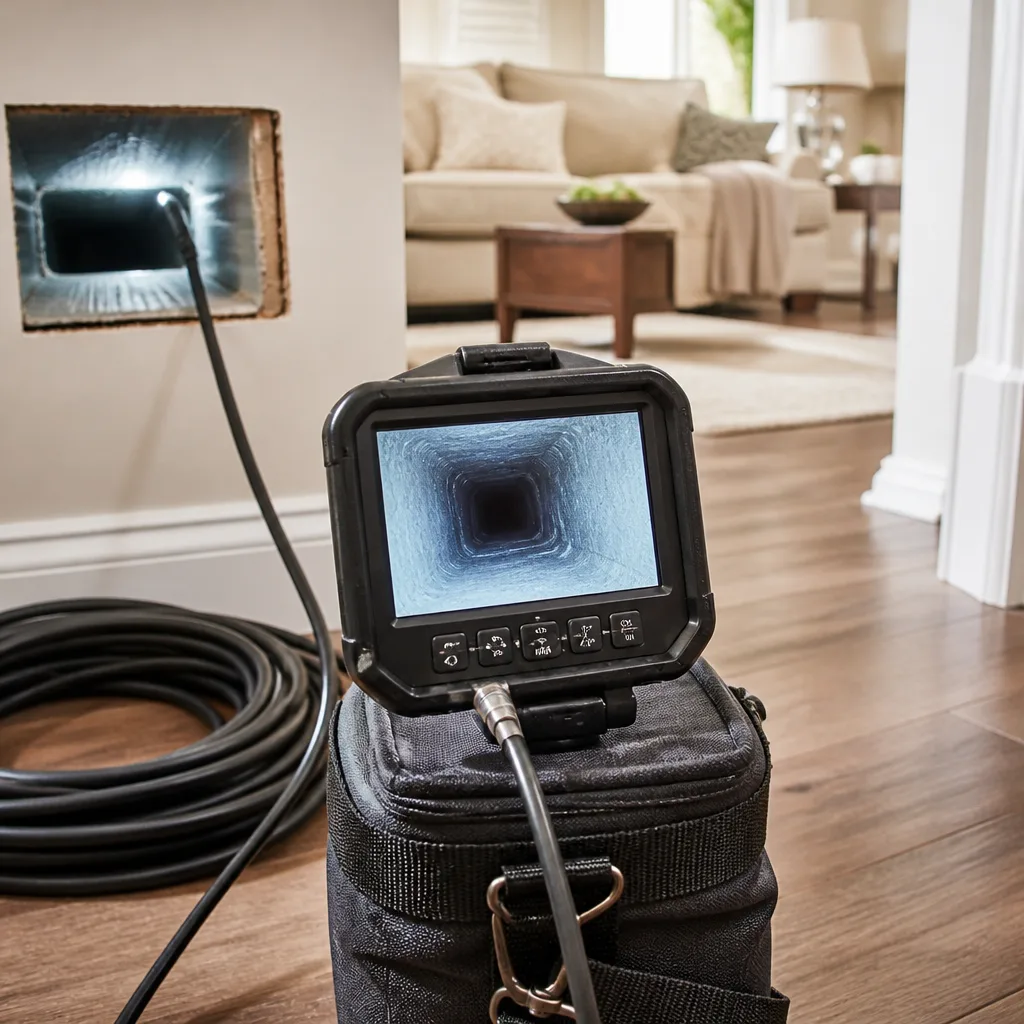 Camera inspection
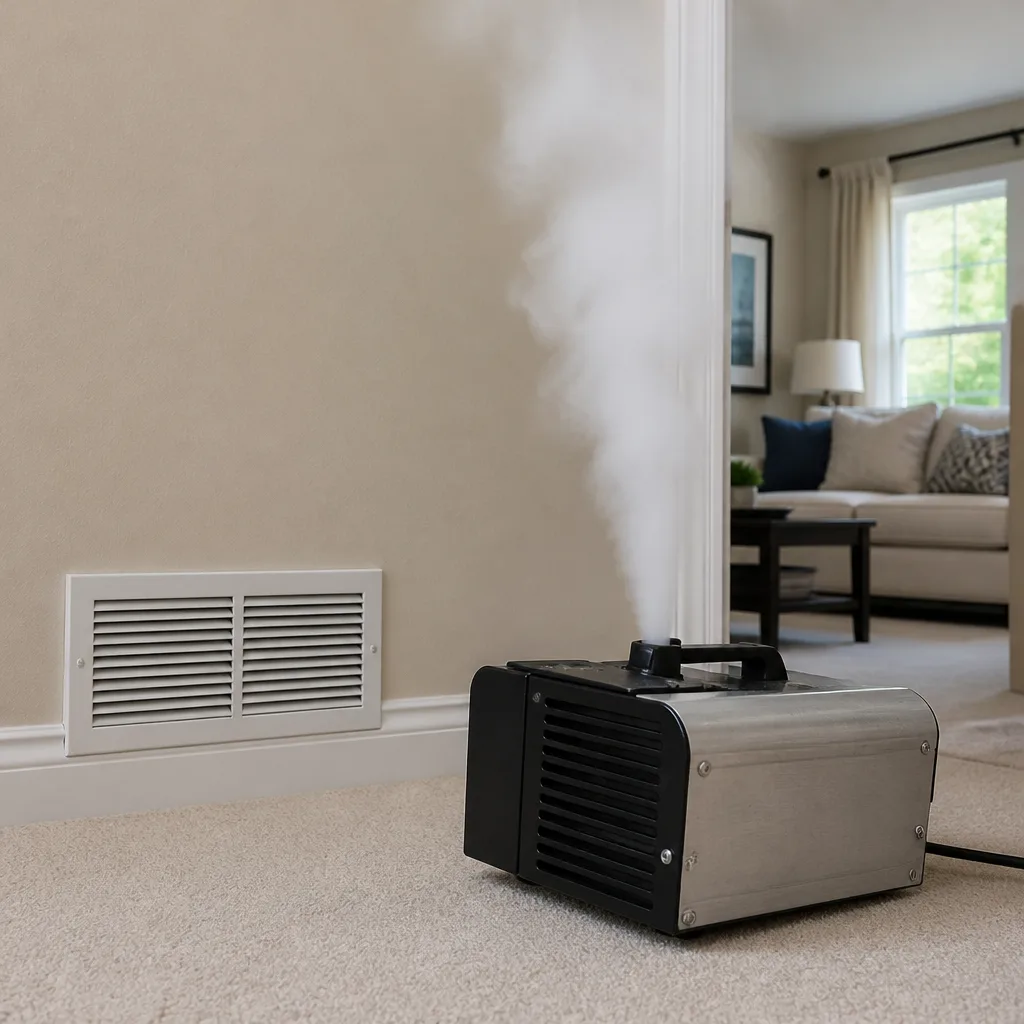 Sanitizing & deodorizing
Whole-system duct and dryer vent check with before-and-after photos - you see exactly what came out of your vents
That "$99 whole-house special" is a bait ad - the real number appears once they are in your hallway, or the "clean" is a shop-vac at the register. We photograph the inside of your ducts before and after instead.
The Complete Guide to Air Duct Cleaning in Laredo
Most duct cleaning guides are written for a house that runs its air conditioner four months a year. That isn’t a Laredo house. Here, the AC runs through long stretches of extreme heat, often nine or ten months out of twelve, which means your ductwork moves roughly twice the air volume of a northern home’s system in the same calendar year. Twice the air means twice the dust captured, twice the load on the blower, and a lot more time for moisture and biological growth to settle in near the evaporator coil. This guide treats Laredo ductwork as its own technical subject: how caliche dust and border-corridor particulate behave inside flex versus sheet metal runs, why our extended cooling season changes the cleaning scope, what legitimate NADCA-style source removal actually looks like step by step, and which add-ons earn their place on the invoice. By the end you’ll know how to judge a quote, verify work was done, and decide when cleaning is genuinely worth doing.
Quick Answer
Air duct cleaning in Laredo is a full-system source-removal process, not a quick vacuum of the grilles: a technician opens access points, runs contact brushing through every branch, and pulls the dislodged debris into a HEPA-filtered vacuum, then photographs the result before and after. It’s worth doing when you have visible dust buildup, musty odors, allergy flare-ups, or rising energy bills tied to restricted airflow. Typical whole-system estimates in Laredo run roughly $350 to $700 for a standard single-story home, with the written estimate fixing the final price before any work starts.
Styles & brands we work with
- Whole-home duct cleaning
- Dryer vent cleaning
- Camera inspection
- Sanitizing & deodorizing
Table of Contents
- Why Laredo Ductwork Is Different
- Caliche Dust, Border Winds, and How Contamination Builds
- The Extended AC Season and the Evaporator Coil
- The Equipment Standard: Why Source Removal Beats a Shop Vac
- What a Legitimate Cleaning Scope Looks Like, Step by Step
- Which Add-Ons Belong and Which to Skip
- What Air Duct Cleaning Costs in Laredo
- How to Verify the Work Was Actually Done
Why Laredo Ductwork Is Different
Laredo sits in a semi-arid stretch of South Texas where fine caliche dust, dry soil, and airborne particulate from busy border corridors never really stop moving. Wind lifts that material, your return vents pull it in, and the filter catches most of it. Most, not all. The fraction that slips past the filter settles on duct walls, collects at joints and elbows, and slowly coats the inside of the system. In a temperate climate, that dust sits mostly undisturbed. In Laredo, your blower is running through it for most of the year, so the material gets stirred, redeposited, and stirred again.
Then there’s the construction of the ductwork itself. Laredo homes commonly mix two types of runs:
- Flex duct – the corrugated, silver-jacketed material common on branch runs. The ridges trap fine dust readily, and debris clings to the wire helix. Flex also sags where it’s poorly supported, creating low spots where dust piles up.
- Sheet metal duct – smoother walls on the trunk lines. Dust slides off more easily, but seams and takeoffs collect it, and pop-riveted joints can loosen over time and leak.
The practical upshot: a Laredo house with a lot of flex branch runs accumulates dust differently than a home with all-metal duct. Flex needs gentler, contact-cleaner brushing so the liner isn’t torn, while metal can take a firmer pass and rewards a careful reseal at the joints afterward. Any cleaner who treats the whole system the same way hasn’t looked closely at yours. That difference is exactly why we scope every Laredo job by duct type before quoting.
Caliche Dust, Border Winds, and How Contamination Builds
The contaminants inside Laredo ductwork aren’t mysterious. They come from a few identifiable sources, and knowing them tells you a lot about what a cleaning should remove:
- Caliche and soil dust – the fine, alkaline powder that coats everything in the region. It’s abrasive and hydrophobic, which means it doesn’t rinse away; it needs mechanical brushing to break it loose from duct walls.
- Border-corridor particulate – the everyday mix of road dust, diesel soot, and airborne grit from traffic-heavy routes. This is finer and darker, and it’s what gives a neglected return plenum that gray film.
- Pollen and plant material – South Texas pollens and the fine debris from native brush get pulled into returns, especially when windows are open on mild days.
- Pet dander and household fibers – the ordinary interior load, which clings to the same surfaces and can turn a light dust layer into a matted one.
Where dust settles is as important as what it is. Inside flex duct, the corrugations and the low spots where the run sags hold debris against the walls. On sheet metal, dust collects at the joints, the elbows, and the register boots. In every case the return side is dirtier than the supply side, because the returns carry the incoming load. A real assessment starts at the returns and the evaporator coil, not at the grilles you can see from the hallway. If your filter is loading up faster than it used to, or the register faces have a dark ring, that’s the system telling you material is building inside. We include Laredo’s dust conditions in every scope we write, because sweeping a caliche-loaded system without a proper HEPA vacuum behind it just redistributes the mess into the living space.
The Extended AC Season and the Evaporator Coil
Here’s where Laredo ductwork diverges most sharply from the generic advice. When a cooling system runs almost year-round, the evaporator coil is wet for most of its life. The coil condenses moisture out of the air as it cools. That moisture sits on the fins, and in a humid cooling cycle the area around the coil stays damp. Damp coil, steady airflow, and a constant supply of dust equal an ideal environment for microbial growth. That’s why musty odors in a Laredo home so often trace back to the coil and the plenum box around it rather than to the visible registers.
What this means for cleaning scope is specific: the coil and the plenum need to be part of the assessment. If growth has taken hold on the fins, cleaning the ducts without addressing the coil leaves the source in place. The right scope usually looks like this:
- Inspect the evaporator coil and plenum for visible growth, matting, or standing moisture.
- Decide whether coil cleaning belongs in the same visit or whether the coil is clean and the ducts are the entire problem.
- Clean the duct system with source removal, keeping the wet coil isolated so debris isn’t driven into damp fins.
- Restore and reseal access points, then confirm airflow at the registers.
We don’t market coil cleaning as an automatic add-on. We inspect first and tell you what we find. A Laredo home that runs its air handler year-round can genuinely need the coil addressed; a home with a drip pan and coil that are draining cleanly usually doesn’t. The honest answer changes job to job, and a cleaner who quotes the coil before looking at it is guessing.
The Equipment Standard: Why Source Removal Beats a Shop Vac
Duct cleaning done right follows what the industry calls source removal: dislodge the debris from the duct surfaces, then capture it at the source so it never enters the room or gets pushed into the rest of the system. That’s a two-part process, and both parts depend on real equipment.
The industry-standard approach uses a powerful negative-pressure vacuum connected to the main trunk, with the returns and branches sealed off, so the entire system is under suction while the technician works. Contact tools then brush the duct walls, breaking dust loose so the vacuum pulls it out. The NAADCA-style benchmark for this type of work is a vacuum that keeps the system under sustained negative pressure for the whole job, not a portable machine that loses suction after a few minutes. Truck-mounted or high-capacity trailer units deliver that power; consumer vacuums don’t.
We run that class of equipment: Rotobrush contact-cleaning systems to brush each run, Nikro HEPA vacuum equipment to capture the dislodged material, and Abatement Technologies air filtration equipment to hold the surrounding air clean while we work. Those are professional-grade tools, the same category of gear used in commercial contracting and remediation work. A shop vac with a hose can pick up loose dust near a register, but it can’t hold a full system under negative pressure, can’t reach the far side of a flex run, and can’t tell you what it captured. If a contractor shows up with a shop vac, you already know what the result will be.
Our technicians have up to 11 years of experience, and the learning curve on this equipment is real. Brushing pressure, vacuum placement, and access-point placement all change with duct type. That’s the difference between a cleaning that measurably improves airflow and one that just moves dust around.
What a Legitimate Cleaning Scope Looks Like, Step by Step
This is where you separate specialist work from a low-bid operation. A proper air duct cleaning job follows a predictable sequence. Here’s what a legitimate scope looks like start to finish, so you can line up the invoice against it:
- Walk-through and assessment. We inspect the equipment, count supplies and returns, identify duct types, and check the coil and plenum before any work begins.
- Protect the space. Floors and nearby surfaces get covered, and the air filtration equipment is positioned to hold dust out of the living area.
- Set up the vacuum. The main vacuum connects to the trunk, and returns and branches are sealed so the system stays under negative pressure.
- Cut and open access points. Cleaning requires access holes at branches and trunk runs. A real cleaning creates these; there’s no way to properly brush a full system through the registers alone.
- Contact-brush every run. Brushes pass through each branch and the trunk, including returns, breaking material off the walls. Flex gets gentler pressure than metal.
- Clean the registers and boots. Supply and return registers are removed, cleaned, and reinstalled.
- Reseal access points. Cut holes are closed and sealed, and any loose joints found along the way are noted or repaired.
- Post-job verification. Photographs inside the ducts, a final airflow check at the registers, and a walk-through of anything flagged during the job.
The part homeowners almost never see is step four, and it’s also the part that costs the most effort. A cleaner who only uses a vacuum at the registers is skipping the brushing entirely. Ask to see photos of the ducts before and after, and ask whether the returns were brushed, not just the supplies. In a Laredo home, the returns are where the caliche dust load concentrates, so skipping them leaves the biggest part of the problem in place.
Which Add-Ons Belong and Which to Skip
Every cleaning company offers add-ons, and some are genuine while others are there to pad the invoice. Here’s how we think about each one:
- Dryer vent cleaning – belong. This is its own service and deserves its own visit, but it belongs on every duct conversation in a household to-do list. Clogged dryer vents are a documented fire risk, and lint accumulation is the same kind of buildup problem ducts have. See our dryer vent cleaning page for the full process; it’s a safety job, not an upsell.
- Coil cleaning – belongs when the coil is visibly dirty. If inspection shows growth or matting on the fins, clean it. If the coil is draining and clean, it doesn’t need to be in the scope.
- Duct sealing – belongs when joints are leaking. Loose seams and disconnected flex runs are a real efficiency problem, and resealing them is straightforward duct repair work. If ducts are leaking, sealing them is the highest-value add-on available, because it holds the improvement in place.
- Air purifiers and filtration upgrades – belongs for some homes. We work with Honeywell and Aprilaire whole-home air quality systems, so a filtration upgrade can be added in the same visit for homes with ongoing dust or allergy concerns. It’s optional, not routine.
- “UV sanitizing lights” and ozone units – skip unless discussed with care. These get sold aggressively and rarely address the actual source. A properly cleaned system doesn’t need a light bulb to be clean.
- Aerosol “duct fresheners” – skip. Masking an odor is not cleaning. If the system smells musty after a proper cleaning, there was an unresolved source, not a fragrance problem.
A good rule: anything prescribed before inspection is a guess. Add-ons should follow what the assessment actually finds.
What Air Duct Cleaning Costs in Laredo
Air duct cleaning in Laredo is priced per system, not per vent. Per-vent pricing is the classic low-bid trap: a cheap “per vent” number that grows the moment the technician counts every register, handing the homeowner a triple-the-quote invoice. We don’t price that way. Here are typical whole-system ranges for this market, given as estimates; the written estimate sets the final price.
| Service | Typical Estimated Range |
|---|---|
| Air duct cleaning, standard single-story home (supply + return) | $350 – $700 |
| Larger or two-story home with extensive flexible ductwork | $600 – $1,100 |
| Coil cleaning (when inspection calls for it) | $150 – $400 |
| Duct sealing at accessible joints | $300 – $800 |
| Air duct repair (reconnect, patch, or replace damaged runs) | Quoted per job |
| Dryer vent cleaning | $100 – $250 |
Three things move the price up or down: the square footage and number of runs, whether flex or metal duct dominates, and whether the system has leaks or disconnected runs that need repair. A house with clean metal trunk lines and a handful of short flex branches is a different job from a two-story with long flex runs and a sagging return. The quote should reflect that, and it should be given before work starts. If a quote is “per vent” or a fraction of the range above, ask what’s included and what isn’t. Our Laredo service area page lists the neighborhoods we work in, so you can check coverage before you call.
How to Verify the Work Was Actually Done
This is the question that matters most, and it’s the one a careful homeowner should ask before hiring. Duct cleaning happens inside the walls, out of sight. Here’s what to check:
- Before-and-after photographs. Ask for interior photos of the ducts before and after. Legitimate cleaners take them routinely; it’s part of how we verify our own work.
- Visible access points and resealing. A proper cleaning leaves access holes at branches and the trunk, properly sealed. If there are no access points, the branches weren’t brushed.
- Registers removed and reinstalled. If the register faces still carry the same dust ring after the visit, they weren’t cleaned.
- The debris they pulled. A real cleaning removes a meaningful amount of material. Some companies show the collector after the job; ask what came out.
- Airflow check. Airflow at the registers should read measurably stronger after a cleaning that removed real blockage. We check it as a standard finish.
- A written scope. The estimate should list what was cleaned, what was included, and what was declined. A scratched-in one-liner isn’t a scope.
None of this is complicated. The problem is that a homeowner can’t see inside the duct, so the burden falls to the cleaner to document. If a company can’t or won’t show photos, that’s your answer. We include the before-and-after photos and an airflow check as standard practice on every job, and we’re happy to walk you through them before you pay.
Common Mistakes to Avoid
- Hiring on price alone. A quote that undercuts the whole-system range above is almost always a “vacuum the grilles” job. In a Laredo home with heavy caliche load in the returns, that leaves the biggest contamination source untouched.
- Accepting per-vent pricing. The price per vent looks small until the technician counts every register and the invoice triples. Price the system, not the vents.
- Skipping the returns. Returns carry the incoming dust load and are the dirtiest part of most systems. If the quote only names supplies, ask.
- Cleaning ducts while ignoring a visibly dirty coil. The coil is the source in a home running its AC through a long cooling season. Cleaning around it wastes the visit.
- Falling for “freshener” or sanitizing foggers instead of cleaning. Masking an odor doesn’t remove the debris causing it, and some fogged products are unnecessary in a properly cleaned system.
- Forgetting the dryer vent. It’s a fire-risk service, and it’s the cheapest safety upgrade in the house. Most Laredo homeowners who book duct cleaning should book the vent too.
- Not asking for photos. The work happens out of sight. Insist on before-and-after photos and an airflow check before you sign off on the invoice.
See the difference
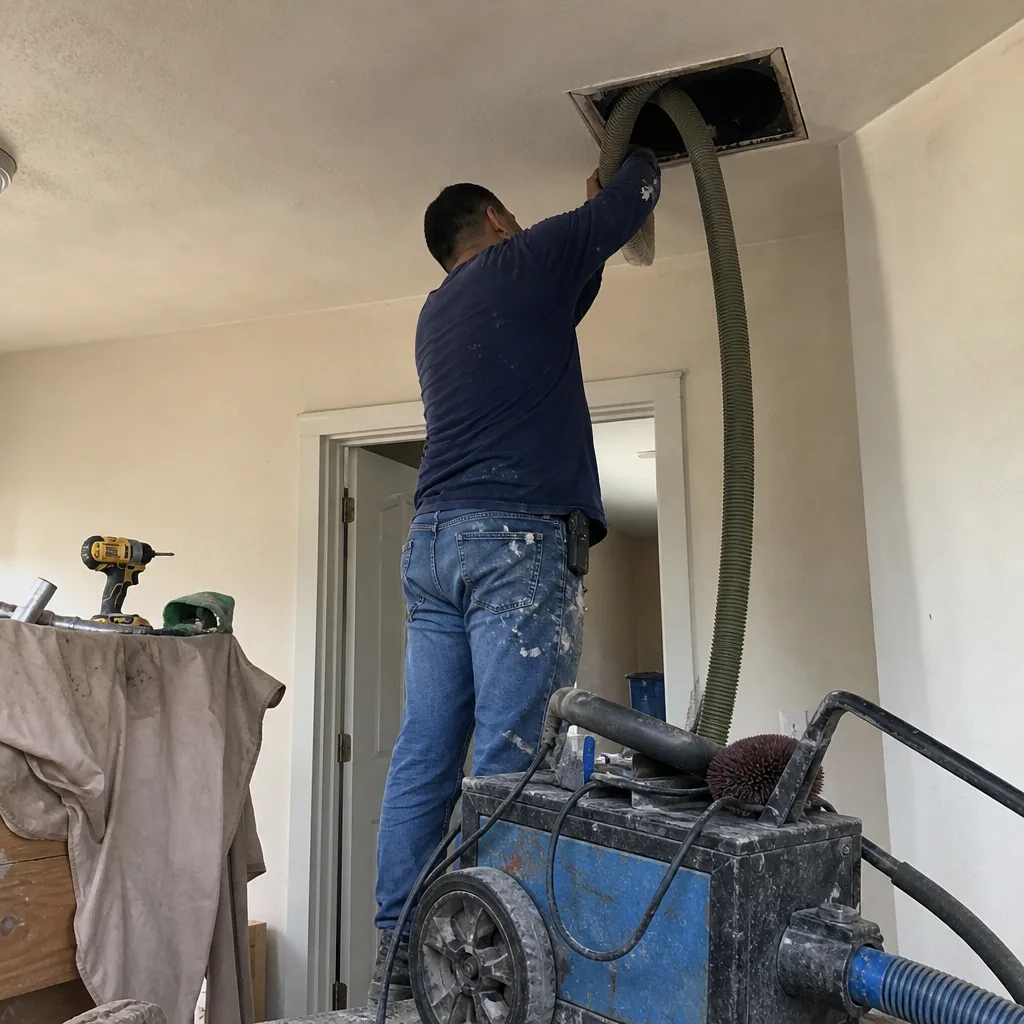 Before
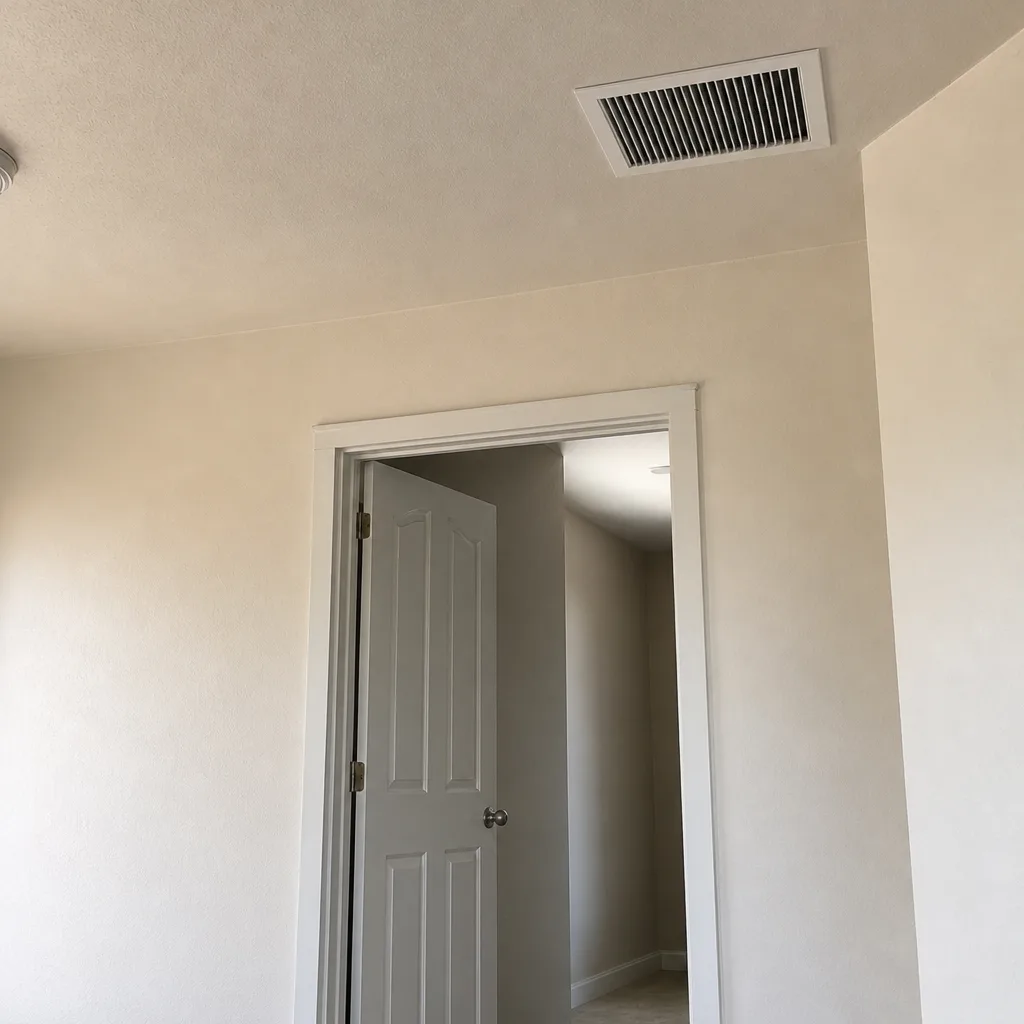 After
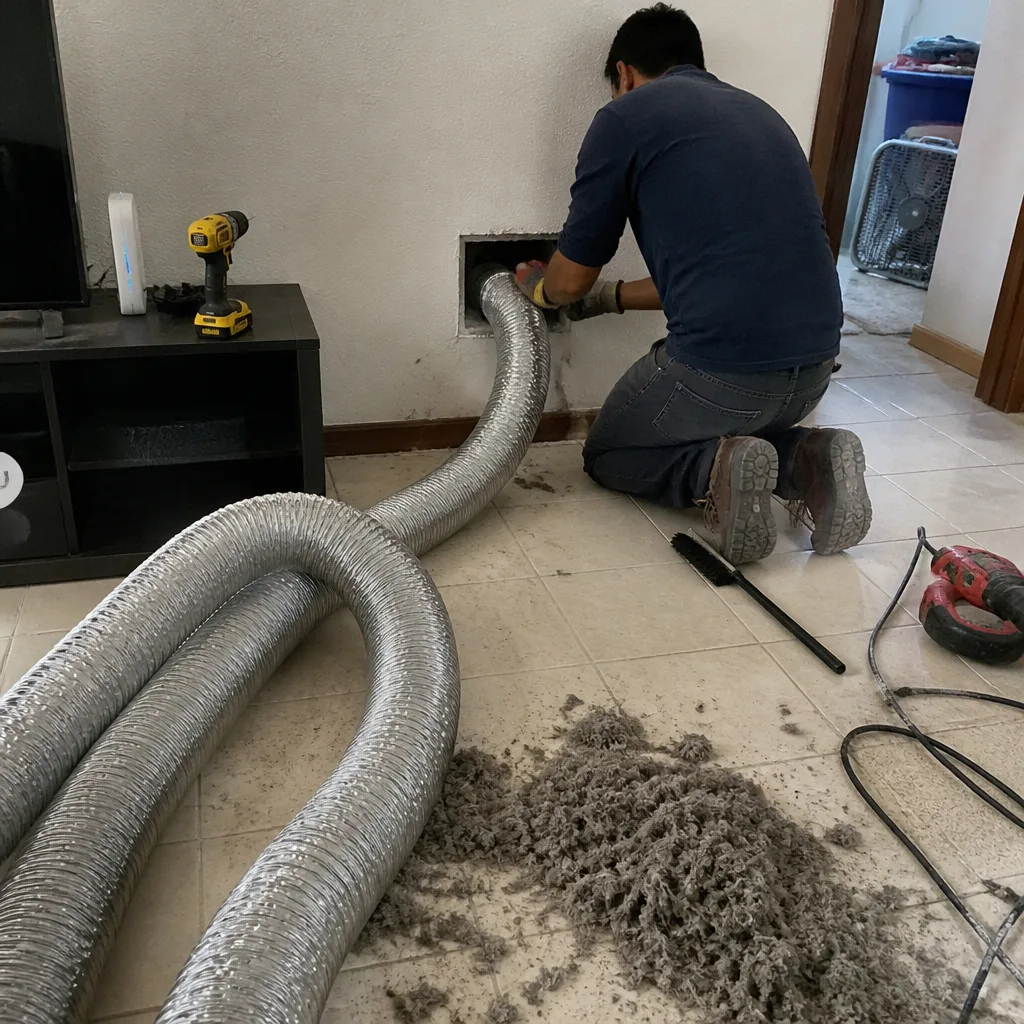 Before
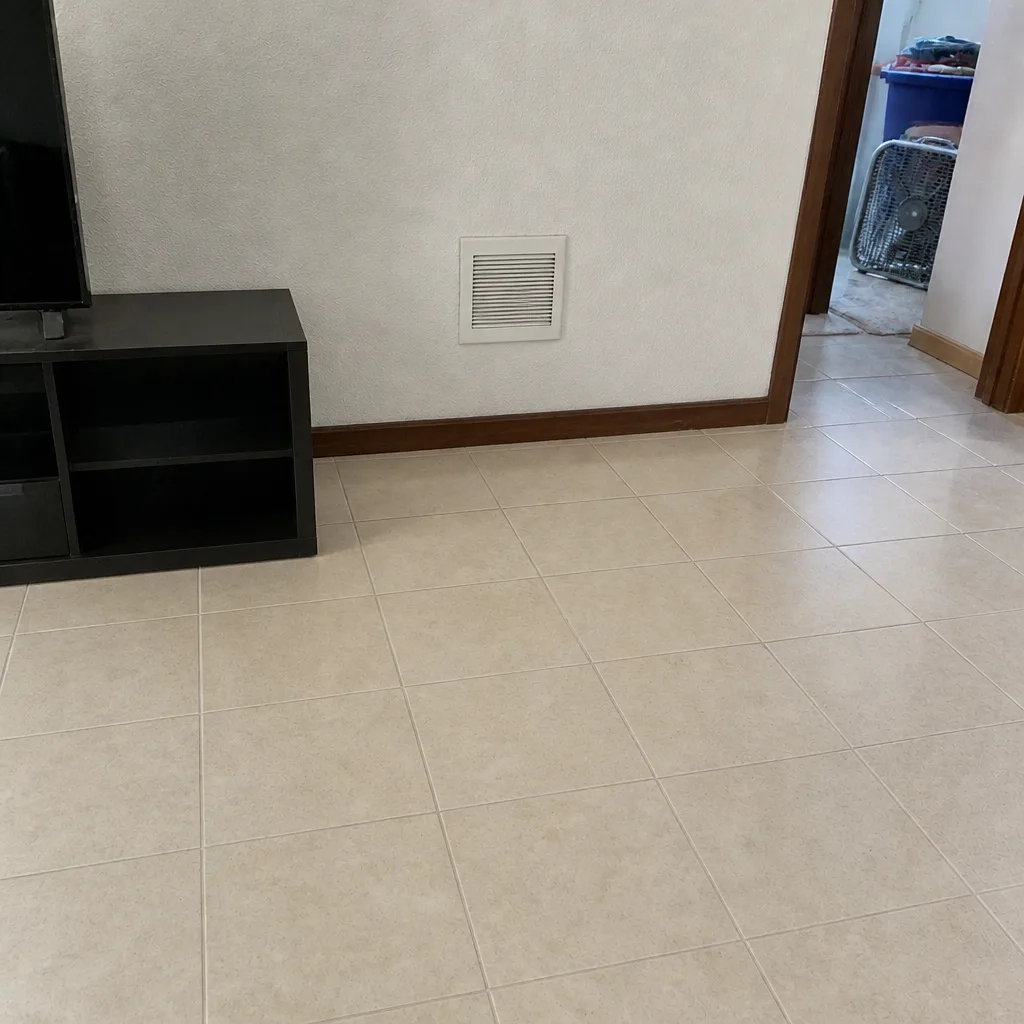 After
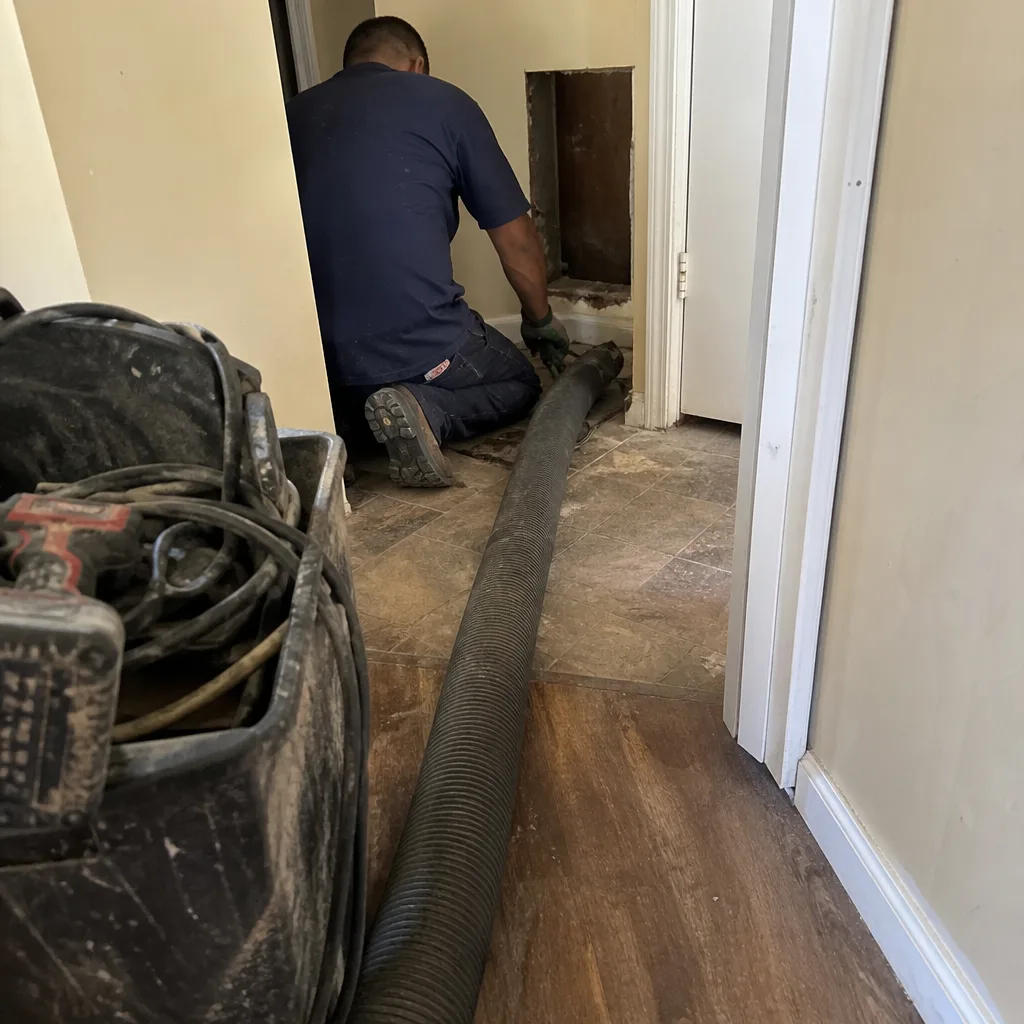 Before
 After
When to Call a Professional
Some dust is normal. It’s when the system starts telling you something that a professional assessment is worth the call. Call us if you see dark streaks around the register faces, if the house has a musty smell that doesn’t clear when the AC is off, if allergy symptoms get worse when the system runs, or if your energy bill has climbed without a rate change. If you’ve had renovation or drywall work done and the system ran during it, the ducts almost certainly need attention. Call us if a register has weak airflow compared to the others, or if you can see a disconnected flex run in the attic. Duct Cleaning Laredo offers free estimates in Laredo, so the assessment costs nothing and the scope is in writing before work starts. Call (844) 938-0644. We answer 24/7. Fast dispatch from 7am to 7pm, Sunday through Friday.
Frequently Asked Questions
For most Laredo homes, every three to five years is the practical interval, but the extended AC season often shortens that to every two to three years in homes with heavy duct load or pets. The better test is condition, not a calendar: if registers are visibly dusty or airflow has weakened, the ducts are due. Call (844) 938-0644 for a free assessment; we’ll tell you honestly whether it’s time, even when the answer is not yet.
Typical whole-system estimates in Laredo run about $350 to $700 for a standard single-story home, with larger or two-story systems at $600 to $1,100. Larger square footage, more flex runs, and repair needs move the number. The written estimate fixes the final price before work starts, and there’s no per-vent pricing. Call (844) 938-0644 for an exact quote; estimates are free.
Because they’re not the same service. A cheap quote usually means a vacuum at the registers and nothing else: no access points cut, no contact brushing, no returns cleaned, no HEPA filtration. Real source removal takes more time and more equipment, and that shows up in the price. If a quote is a fraction of the typical range, ask exactly what it includes, then compare. Call (844) 938-0644 for a scope written to your actual system.
Ask for before-and-after photos from inside the ducts and an airflow check at the registers. A proper job leaves sealed access points, cleaned registers, and a written scope you can line up against the work. We document all of it as standard practice. Call (844) 938-0644 and ask to see the process before you book.
Yes. We offer air duct repair as a core service, so if we find a disconnected flex run, a collapsed section, or leaking joints during the cleaning, we can address it rather than handing you off to a second contractor. That’s part of why we scope by duct type up front. Call (844) 938-0644 to describe what you’re seeing.
It raises the stakes, yes. When a system runs nearly year-round, the evaporator coil stays damp much longer and the ducts move far more air, so contamination accumulates faster and coil growth is more likely. That means duct cleanliness and coil condition matter more here than in a climate with a short cooling season. Call (844) 938-0644 and we’ll assess both.
The Bottom Line
Laredo ductwork is its own technical subject. The combination of fine caliche dust, border-corridor particulate, and an AC season that runs most of the year creates faster contamination and more coil growth than generic guides account for. A legitimate cleaning is source removal: access points cut, every branch and return brushed, debris captured by professional HEPA equipment, then sealed up and documented with before-and-after photos. Price the system, not the vents, and treat the dryer vent as the safety service it is. If you want a scope written to your actual duct system, Duct Cleaning Laredo offers free estimates in Laredo. Call (844) 938-0644. We answer 24/7. Fast dispatch from 7am to 7pm, Sunday through Friday.
Written by the team at Duct Cleaning Laredo.