
Last updated November 15, 2026
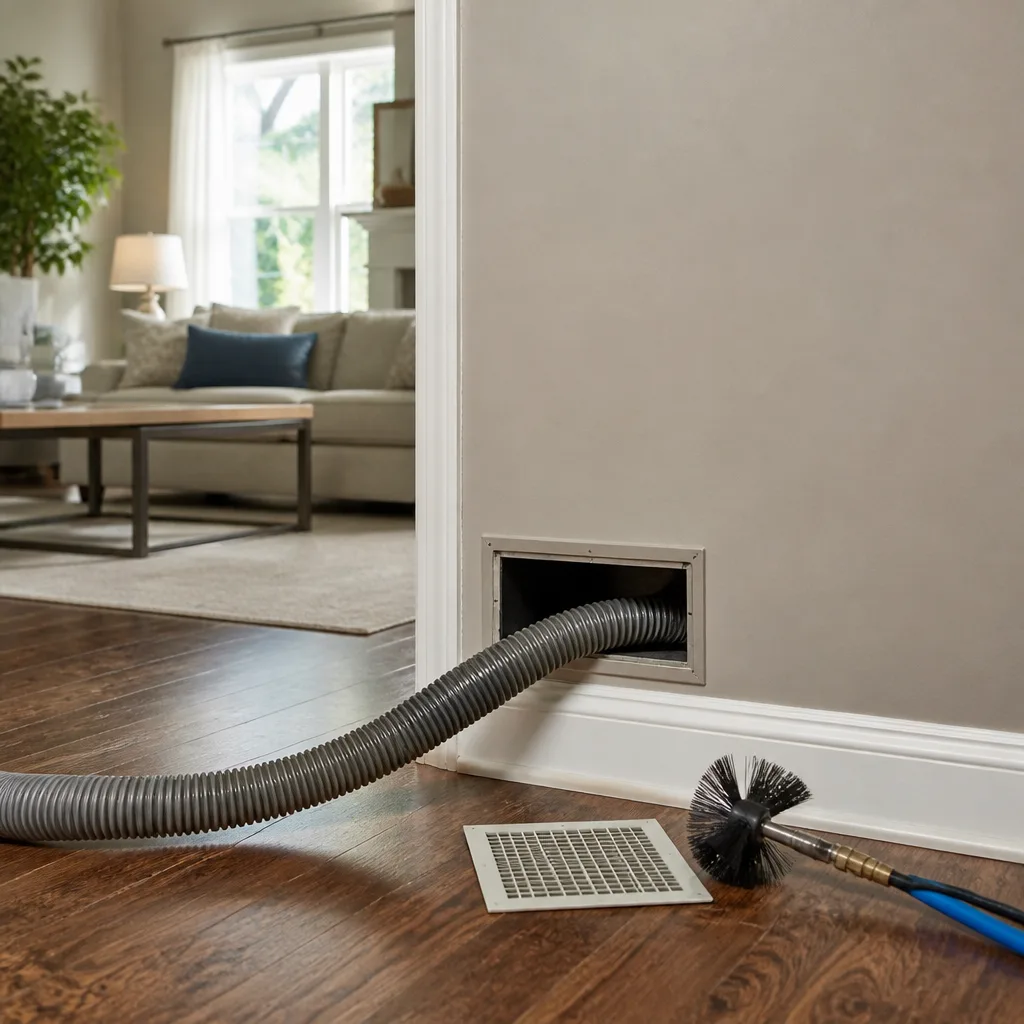 Whole-home duct cleaning
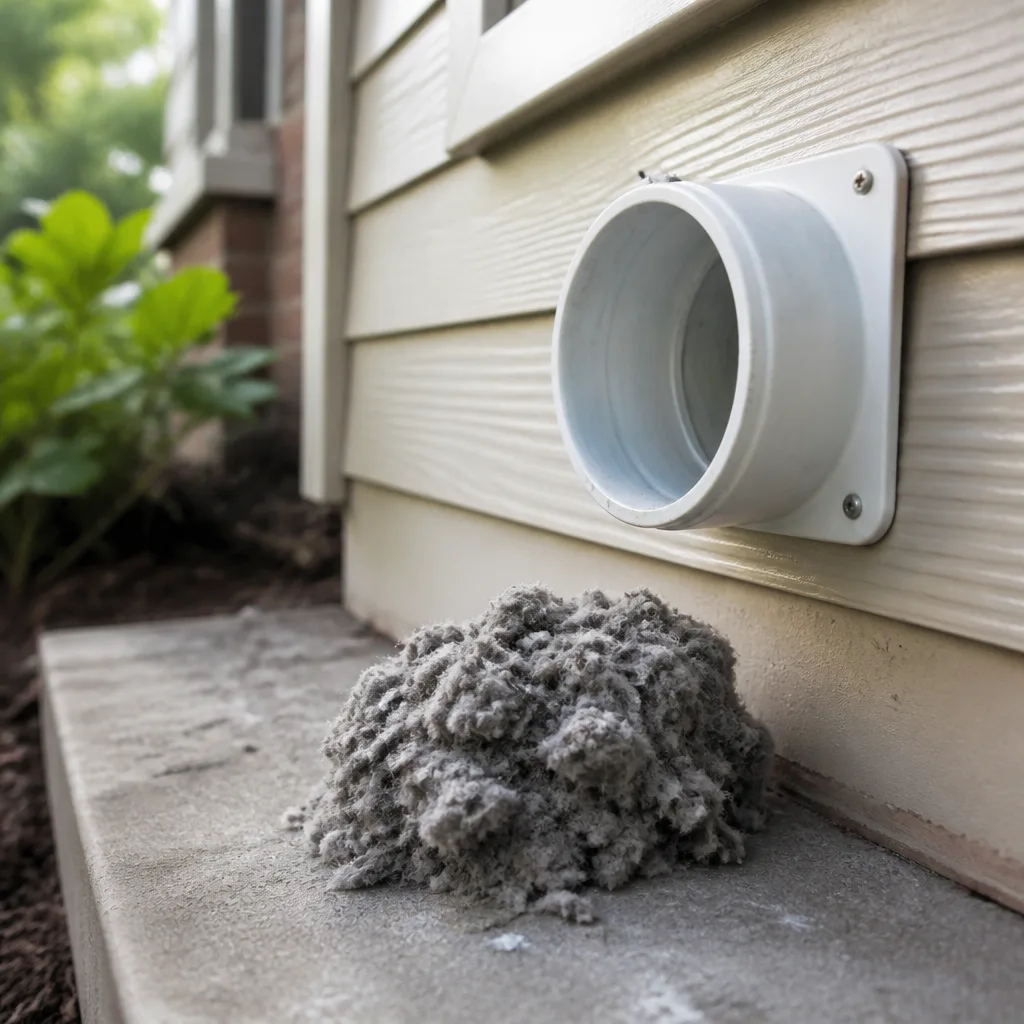 Dryer vent cleaning
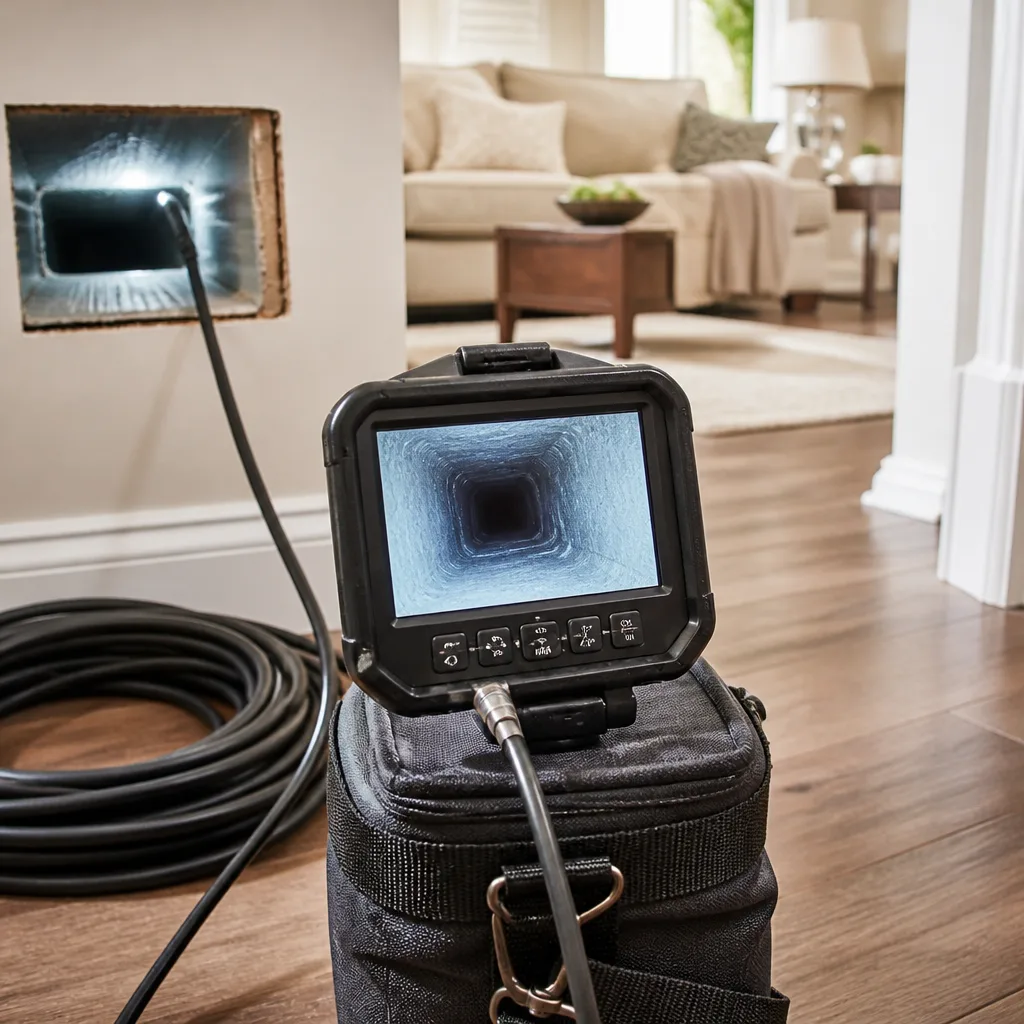 Camera inspection
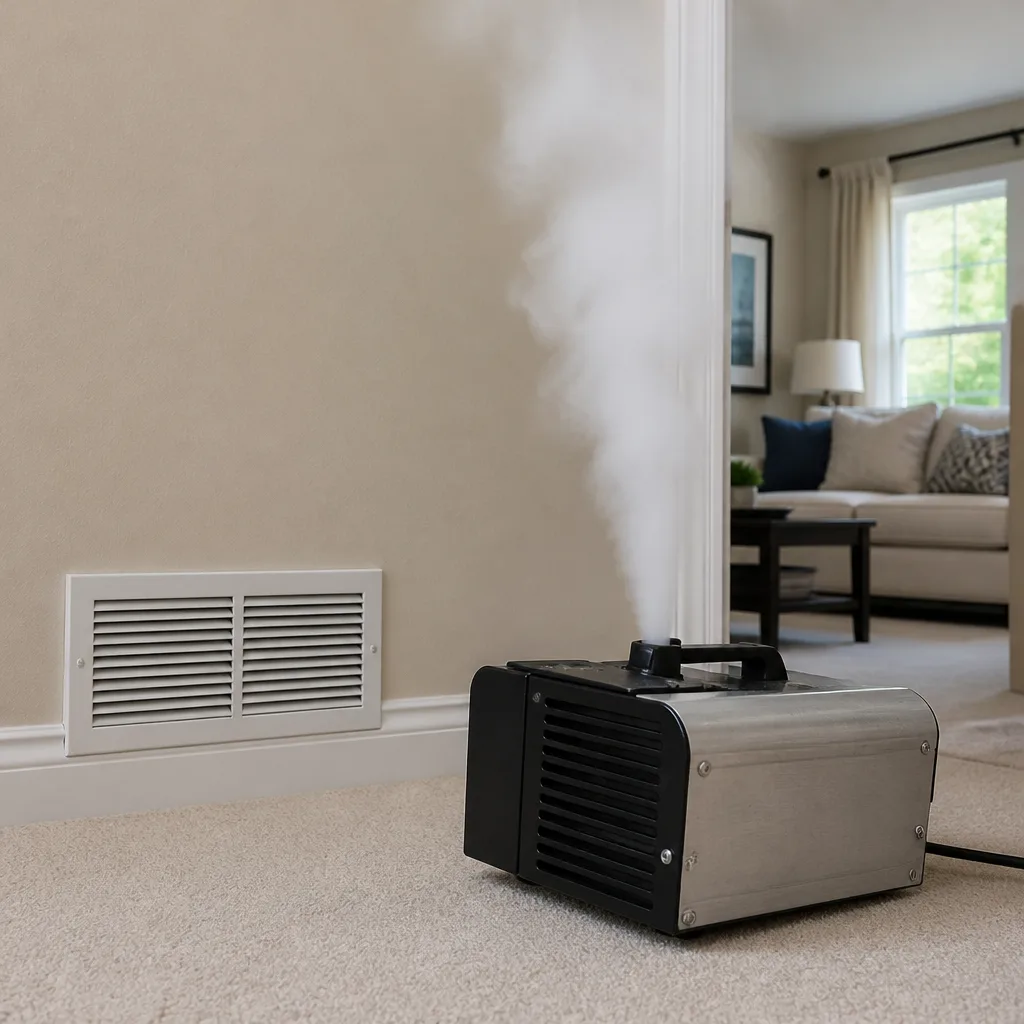 Sanitizing & deodorizing
Whole-system duct and dryer vent check with before-and-after photos - you see exactly what came out of your vents
That "$99 whole-house special" is a bait ad - the real number appears once they are in your hallway, or the "clean" is a shop-vac at the register. We photograph the inside of your ducts before and after instead.
DIY vs Professional Air Duct Cleaning: The Laredo Homeowner’s Decision Guide
A $200 dryer vent cleaning kit from a hardware store can clear a 10-foot dryer duct completely. That same kit used on a 60-foot HVAC main trunk line does almost nothing past the first register. The difference isn’t effort or skill – it’s physics. Consumer tools move a fraction of the air volume that professional equipment does, and in a Laredo home where duct runs often stretch from a garage-mounted air handler across the entire attic, that gap decides everything. This guide walks through what DIY can actually accomplish, where it fails, and how to choose honestly based on your home’s size, duct material, and what’s growing inside the system. By the end, you’ll know whether you’re facing a weekend project or a job that needs real equipment.
Quick Answer
DIY air duct cleaning works for short, straight runs – typically a dryer vent under 15 feet, register grilles, and the filter housing. It cannot achieve source removal in a full HVAC system because consumer vacuums and brush kits don’t generate enough negative pressure or reach past the first bend. In a Laredo home with 50 or more linear feet of ductwork, professional air duct cleaning is the only method that removes accumulated debris from the entire system rather than just the visible openings.
Styles & brands we work with
- Whole-home duct cleaning
- Dryer vent cleaning
- Camera inspection
- Sanitizing & deodorizing
Table of Contents
- The Equipment Gap: What Consumer Tools Can and Can’t Reach
- What DIY Duct Cleaning Genuinely Does Well
- Why Laredo’s Flex Duct Construction Makes DIY Risky
- The Source Removal Standard: What “Clean” Actually Means
- The Liability Math of a DIY Mistake
- A Decision Tree for Laredo Homeowners
- DIY vs Professional Cost: An Honest Comparison
- Matching the Method to the Contamination
The Equipment Gap: What Consumer Tools Can and Can’t Reach
The vacuum cfm rating on the box is the number most homeowners look at, and it’s also the number that misleads them most. A typical shop vac pulls somewhere in the range of 100 to 200 cubic feet per minute at the hose inlet, and that figure drops sharply the moment you add a brush head, a length of hose, and any static pressure from the duct itself. By the time airflow reaches 20 feet down a rigid trunk line, the vacuum is barely moving air at all. The debris sitting in the far end of your system never sees meaningful suction.
Professional duct cleaning works differently in two important ways. First, the equipment is designed to move air through the entire system at once, not just at the point of contact. A truck-mounted or high-capacity negative pressure unit pulls the whole duct run into a controlled vacuum, so when a technician agitates the debris with a contact brush, that debris travels to a collection point rather than settling back down a few feet later. Second, the contact tools themselves are built for the job – rotary brushes that spin at controlled speed, whip lines that flex through elbows, and compressed air skippers that break up caked buildup without damaging the duct wall.
Here’s the practical breakdown of what each tool class can actually reach:
- Consumer shop vac with a brush attachment: reliable to about 6 to 10 feet of straight run, ineffective past the first 90-degree elbow.
- Hardware-store duct brush kit on a drill or by hand: reaches 15 to 20 feet on a straight run if the duct is rigid metal, but cannot navigate multiple elbows or flex duct without risk.
- Consumer dryer vent kit (rotary brush + shop vac): excellent for a dryer vent up to about 15 feet, which is the correct and appropriate use case.
- Professional contact cleaning systems: designed for full-system coverage, typically 50 to 150 feet of ductwork across multiple branches, with controlled agitation and HEPA-filtered collection at the source.
The gear we use at Duct Cleaning Laredo – Rotobrush contact cleaning systems and Nikro HEPA vacuums – belongs in that last category. It’s the same category of equipment commercial contractors use, not a scaled-up consumer tool. That distinction is the whole argument. It’s not that professional equipment works harder; it’s that it works differently, and the difference is mechanical rather than a matter of effort.
What DIY Duct Cleaning Genuinely Does Well
We’re not going to tell you that every duct cleaning task requires a specialist. Several of the most worthwhile maintenance jobs in a home ventilation system are ones a homeowner can do effectively, and doing them well extends the time between professional cleanings. Here’s what’s genuinely worth your Saturday morning.
- Dryer vent cleaning for short runs. If your dryer vent is a straight run under 15 feet, a rotary brush kit attached to a drill can clear lint buildup completely. This is one of the highest-value DIY tasks in any home because lint accumulation in a dryer vent is a documented fire risk.
- Register grille washing. Pop the grilles off, wash them in a utility sink with dish soap, dry them fully, and put them back. Grilles trap a surprising amount of dust and hair, and clean grilles measurably improve airflow at the register.
- Return filter housing cleaning. The return air filter housing is a dust trap that sits right before the blower. Vacuuming it out and wiping down the interior with a damp cloth keeps that dust from being pulled into the blower motor and the coil.
- Exterior vent cap inspection. Walk the outside of the house and check that every vent cap opens freely. Stuck caps and bird nests are common and easily resolved.
What ties these tasks together is proximity. Every one of them is something you can physically reach and see. The moment a task requires reaching past a bend in the duct, past a flex joint, or past the point where your arm, your brush, and your visibility end, DIY effectiveness drops to near zero. That boundary is usually somewhere between 15 and 20 feet, which happens to be far shorter than most Laredo home duct systems.
Why Laredo’s Flex Duct Construction Makes DIY Risky
A large share of Laredo homes built in the 1990s and 2000s were ducted with flex duct, the silver corrugated material you’ll see running through most attics in the city. Flex duct has real advantages – it’s fast to install, it can route around obstacles, and it’s inexpensive. It also happens to be close to the worst possible duct material for DIY cleaning. Flex duct is a wire helix wrapped in a thin plastic inner liner, insulated on the outside. The inner liner is what holds the duct’s shape and delivers air. Push a consumer brush into flex duct with too much pressure or at the wrong angle and two things happen: the liner tears, and the duct collapses against itself.
A collapsed section of flex duct is a permanent airflow restriction. A torn liner sends insulation fibers into the air stream. Neither failure is something you’ll notice immediately, and both require repair. We offer air duct repair specifically because so many homes end up needing it after an attempted DIY cleaning, and it’s the kind of damage that gets worse the longer it stays in place.
Rigid metal duct is far more forgiving for a DIY attempt, but it’s also the duct type that lets a homeowner feel confident right up until they discover the duct runs are much longer than the brush can reach. In our experience, Laredo homes built in the 1990s and 2000s tend to have more flex duct, more attic routing, and more complex branch systems than the older housing stock. That combination makes professional cleaning the more sensible default for the newer half of the local market.
The Source Removal Standard: What “Clean” Actually Means
In the duct cleaning industry, “source removal” is the term for the standard that actually matters: physically removing accumulated debris from the duct system rather than just disturbing it. Two methods are sometimes passed off as cleaning. One is blowing compressed air through the system and calling it done, which just relocates debris. The other is vacuuming the register openings and skipping the duct behind them. Neither does what a homeowner actually needs done.
A proper cleaning is a mechanical process with a sequence to it:
- Inspect the system. Identify duct material, run lengths, branch structure, and any pre-existing damage before any tool goes in.
- Set negative pressure. Establish controlled suction through the whole system so debris travels to a collection point rather than settling back into the ducts.
- Agitate the debris. A contact tool – rotary brush, whip line, or air skipper matched to the duct material – breaks up caked debris against the duct wall.
- Filter the exhaust air. HEPA filtration keeps the dislodged debris from becoming airborne in the living space during the job.
- Verify with before-and-after photos. A real cleaning produces visible evidence at the register ends and the trunk line.
The key distinction here is that source removal happens throughout the entire system, not at a few points. A homeowner with a shop vac can establish negative pressure at one register. They cannot establish it across the whole house, and they cannot agitate the duct walls of the main trunk line from the register opening. Those two limits alone put source removal out of reach of any consumer tool.
Air filtration during the job matters too, and it’s why we deploy Abatement Technologies air filtration equipment – the same category of gear used in professional remediation work. For a homeowner dealing with allergies, dust buildup, or musty odors, the difference between a HEPA-filtered cleaning and a dusty one is often the difference between feeling relief and feeling like nothing happened. If you’re scheduling cleaning because someone in the house is reacting to the air, this detail is worth asking about on the phone.
The Liability Math of a DIY Mistake
Most DIY guides skip the part where things go wrong. We’ll cover it here because it’s the practical reality of working in an attic with ducting that wasn’t designed to be handled by a homeowner on a ladder.
Three failure modes show up repeatedly after a DIY attempt:
- Punctured duct board. Duct board is compressed fiberglass with a foil facing. Push a brush through the foil face and you’ve created a permanent leak that bleeds conditioned air into the attic. Attic temperatures in Laredo heat soak duct board badly through a leak, and the air conditioning system has to work noticeably harder to compensate.
- Disconnected flex duct joint. Flex duct connections are usually held by a tie band or taped joint. A brush or hose snag will pull a joint apart, and the duct ends up dumping air into unconditioned attic space. The symptom is a room that never cools properly, and the cause is often invisible from the register.
- Damaged interior liner. A torn flex duct liner means insulation fibers blow into the airstream and into the room. That’s an indoor air quality problem you created while trying to fix one.
What each of these has in common is that the fix costs more than the cleaning would have. Repair on a damaged duct system usually involves accessing the attic again, replacing the damaged section, re-taping and re-sealing the joint, and re-checking airflow to the affected rooms. Any one of those jobs is closer to the cost of a professional cleaning than to the cost of a DIY kit. And the attic work isn’t trivial: high temperatures, tight clearances, and finished surfaces below all demand care. That’s the honest math on the liability side.
A Decision Tree for Laredo Homeowners
The right question isn’t “DIY or professional?” in the abstract. It’s “does the specific configuration of my home make DIY a rational choice?” The following decision tree captures the factors that actually determine the answer.
Step 1: How large is the duct system?
- Dryer vent only, straight run under 15 feet: DIY is genuinely appropriate.
- Single-story home with a short, central duct system under 30 linear feet: DIY gives partial results at best.
- Full home HVAC system, single story, 40 to 80 linear feet: professional cleaning is the appropriate default.
- Two-story or sprawling single-story home over 80 linear feet: professional cleaning is the only realistic option.
Step 2: What’s the duct material?
- Rigid metal duct throughout: DIY reach is short but damage risk is low.
- Flex duct in the attic, especially homes built in the 1990s and 2000s: DIY risk is high, professional cleaning is safer.
- Duct board trunk lines: DIY almost guaranteed to cause damage. Professional.
Step 3: What kind of contamination are you dealing with?
- Visible dust on grilles: clean the grilles, filter housing, and consider professional cleaning.
- Musty or persistent odor: professional. Odor points to contamination you can’t see.
- Rodent activity or visible debris inside the duct: professional, and possibly air duct repair after the cleaning.
- Recent renovation or construction dust: professional, because construction dust is fine and settles deep.
Step 4: What’s your realistic budget?
If your total budget is around the cost of a hardware store kit, do the genuinely worthwhile DIY tasks now and save for professional cleaning later. If your budget can cover a full professional cleaning, the math usually favors doing it once properly instead of improvising a partial result. If you’re not sure, call for an estimate. We’ll tell you whether the job actually needs us.
DIY vs Professional Cost: An Honest Comparison
Pricing an air duct cleaning honestly means talking about whole systems, not teaser numbers. Consumer kits vary from around $30 for a basic vent brush to $200 or more for a rotary brush dryer vent kit with a shop vac attachment. That number is real. What it buys is a short-run dryer vent cleaning or a cosmetic pass on the nearest registers.
Professional air duct cleaning is priced per system, not per vent or per hour. The written estimate sets the final price, and the price you agree to on the phone is the price you pay when the work is done. That structure is deliberate – the bait-and-switch reputation in this industry comes from companies quoting an artificially low teaser price and then adding charges once the technician is on site. We quote one flat price per system, agree to it before work starts, and show you before-and-after photos of your own ducts afterward.
A straightforward way to compare the two:
- DIY dryer vent kit: typically $30 to $200 for the tools. Appropriate for short runs under 15 feet. Cannot clean an HVAC system.
- DIY register and grille cleanup: essentially free with supplies you already have. Worth doing between professional cleanings.
- Professional air duct cleaning: quoted per system based on your home’s duct layout and contamination level. Includes full-system source removal, HEPA filtration during the job, and before-and-after photos.
- Professional dryer vent cleaning: quoted per job, appropriate for long runs, complex routing, or any vent where lint can’t be cleared from the exterior.
The comparison that matters is not “tool cost vs service cost.” It’s “what does the system actually need, and what’s the cleanest path to getting it.” For a short dryer vent, the honest answer is DIY. For a full HVAC system in a Laredo home with flex duct and 60 feet of runs, the honest answer is professional, and the professional work includes a written scope, real equipment, and a flat agreed price.
Matching the Method to the Contamination
Not every dirty duct system is dirty in the same way, and the type of contamination changes the method – and your decision about DIY. Dust from everyday living is the most common case and the most forgiving. A professional cleaning resolves it completely. A DIY pass will not, but the pressure to do it immediately isn’t high.
Musty or persistent odors are a different category. Odor usually points to moisture, microbial growth, or organic material decomposing inside the system, and it can’t be cleared with a brush because it isn’t a surface-level problem. In Laredo, where a wet season drives indoor humidity up substantially, moisture accumulation inside duct insulation is a recurring cause. Cleaning removes the visible contamination, and controlling the source of the moisture matters just as much. That’s why we work with Honeywell and Aprilaire air quality products – treating the source of the problem and cleaning the ducts are part of the same visit, not two separate jobs.
Construction dust from a recent renovation is finer and more penetrative than everyday dust. It coats the entire system, not just the visible grilles, and it settles into flex duct corrugations where a brush can’t reach it. Professional cleaning with HEPA filtration is the appropriate response.
Rodent activity or visible debris requires professional cleaning plus a look at duct integrity afterward. Rodents chew through flex duct liners and pull insulation out of duct joints. Cleaning without repair leaves a system that will re-contaminate quickly. This is why we offer air duct repair as a core service rather than a referral – the cleaning and the repair happen on the same job, with one company responsible for the outcome.
Dryer vents sit in their own category. Every dry cycle sends lint into the vent, and lint accumulation is a documented cause of residential fires – NFPA data links clogged dryer vents to thousands of residential fires annually. If your vent runs longer than about 15 feet or routes through a wall with more than one elbow, the short-vent DIY kit won’t reliably clear it. Professional dryer vent cleaning clears the full run and confirms airflow at the exterior cap. Treat the dryer vent as a safety item, not a cosmetic one.
Common Mistakes to Avoid
- Assuming the shop vac will reach. Vacuum cfm ratings are measured at the hose, not at the far end of a duct run. Airflow drops sharply with hose length and elbows, so a consumer vac is effectively reaching the first few feet and nothing more.
- Using a consumer rotary brush on flex duct without knowing the liner condition. Flex duct liners tear easily under excess pressure. In Laredo homes built in the 1990s and 2000s where flex duct is common, a tear is a real and lasting problem.
- Cleaning the register ends and calling it done. Removing visible dust from a grille does nothing to the trunk line behind it. Register cleaning is maintenance, not duct cleaning.
- Skipping the filter housing. The return filter housing collects dust right before the blower. Skip it and you’re reintroducing the dust you just cleaned up.
- Ignoring musty odors. Odor is a signal of moisture or microbial contamination that can’t be resolved by physical cleaning alone. Get it looked at, and address the moisture source as part of the job.
- Treating the dryer vent as optional. Lint accumulation is a fire risk, and a short-run DIY clean doesn’t address long or complex vent runs. If the vent takes more than one elbow, call a professional.
- Choosing the cheapest quote without asking about scope. A low price that turns into a larger invoice once the technician arrives is the industry’s worst pattern. Ask for a written scope and a flat price per system before anyone arrives, and ask what the price includes.
See the difference
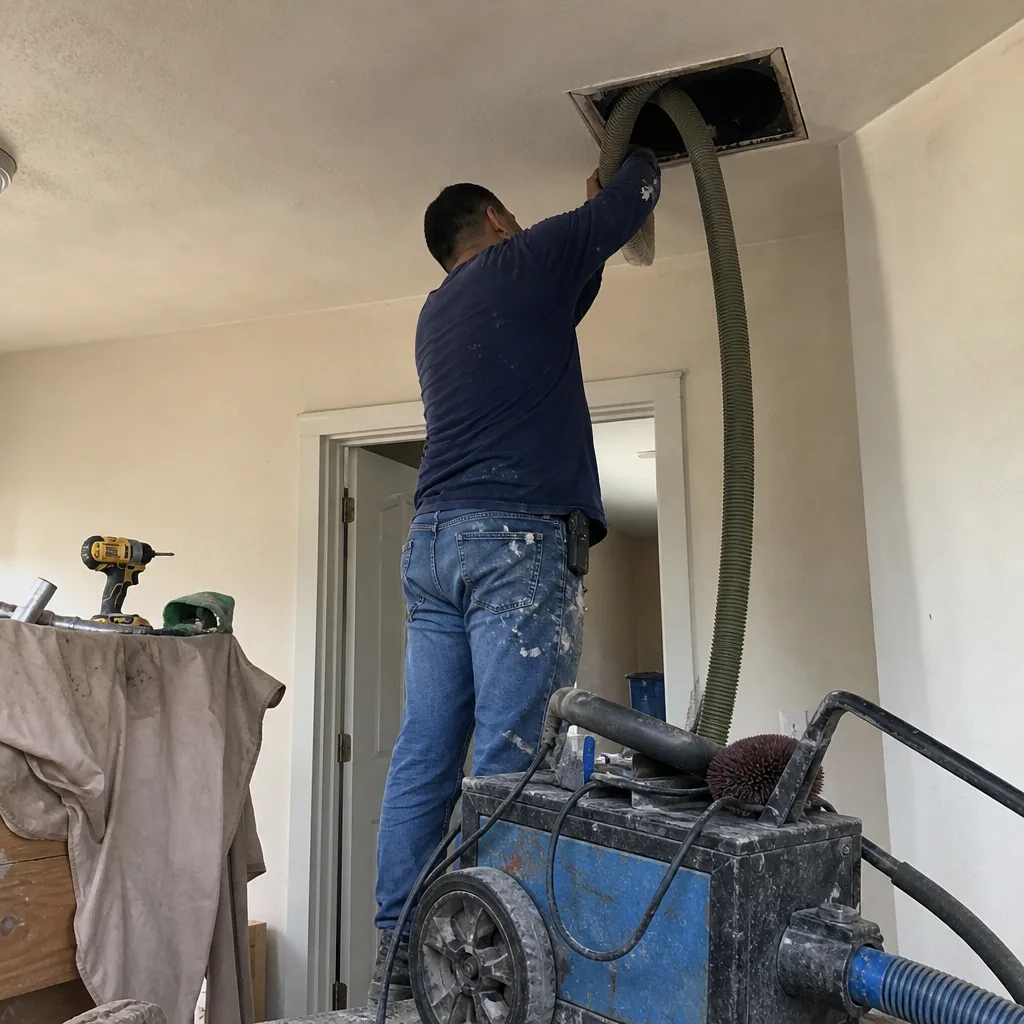 Before
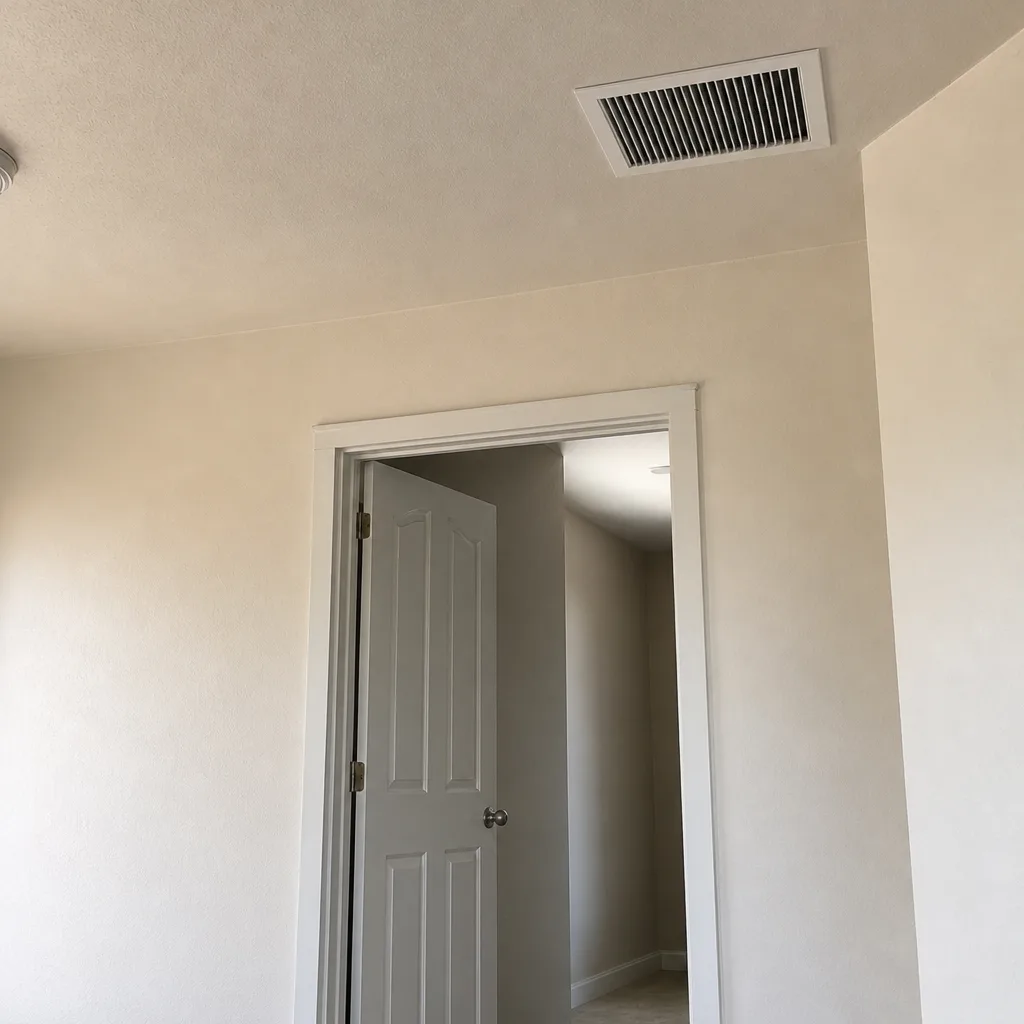 After
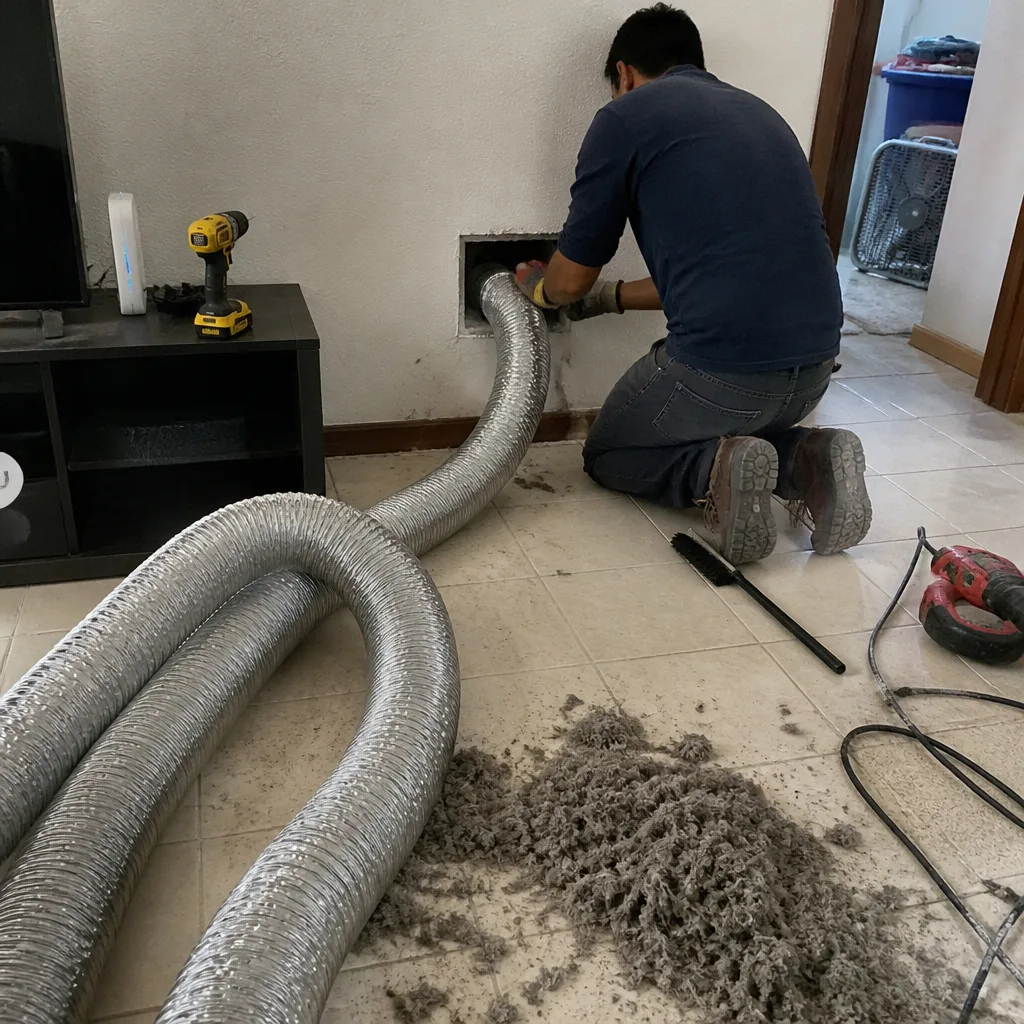 Before
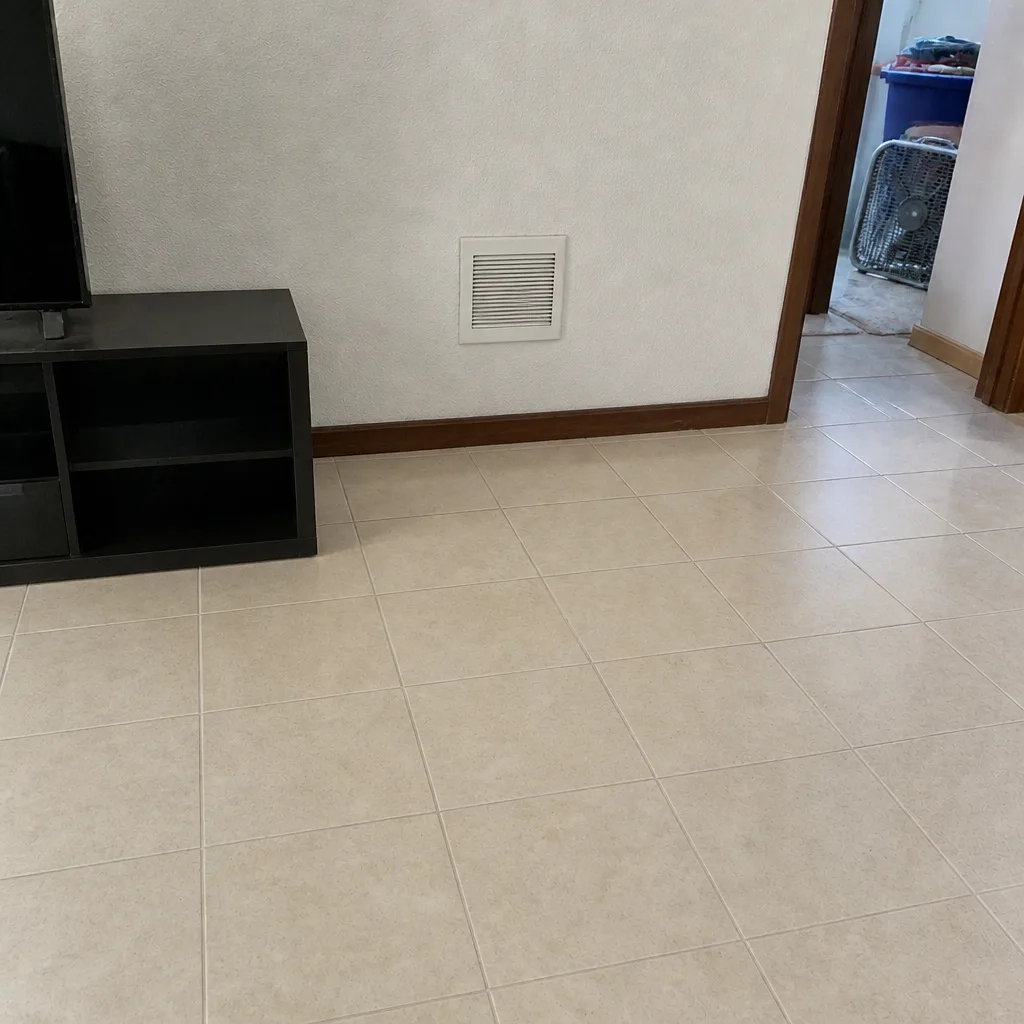 After
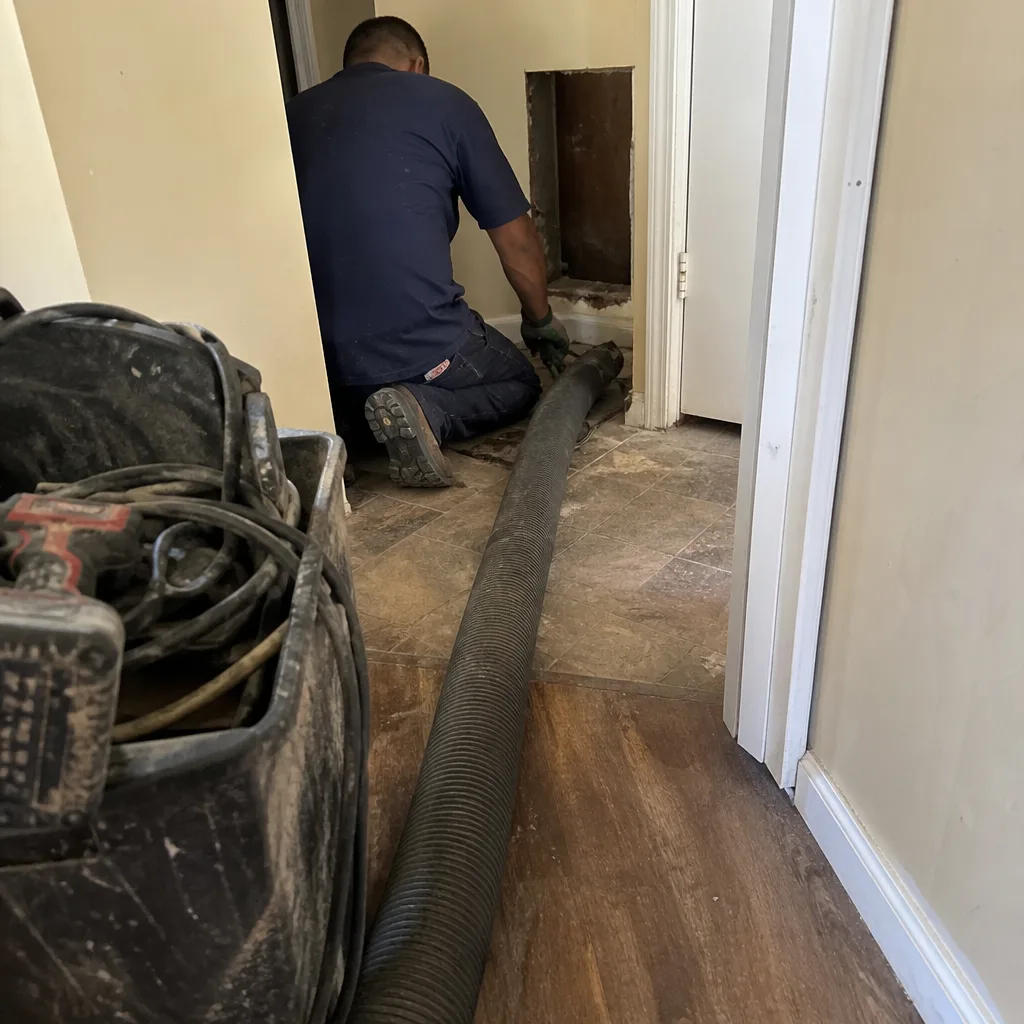 Before
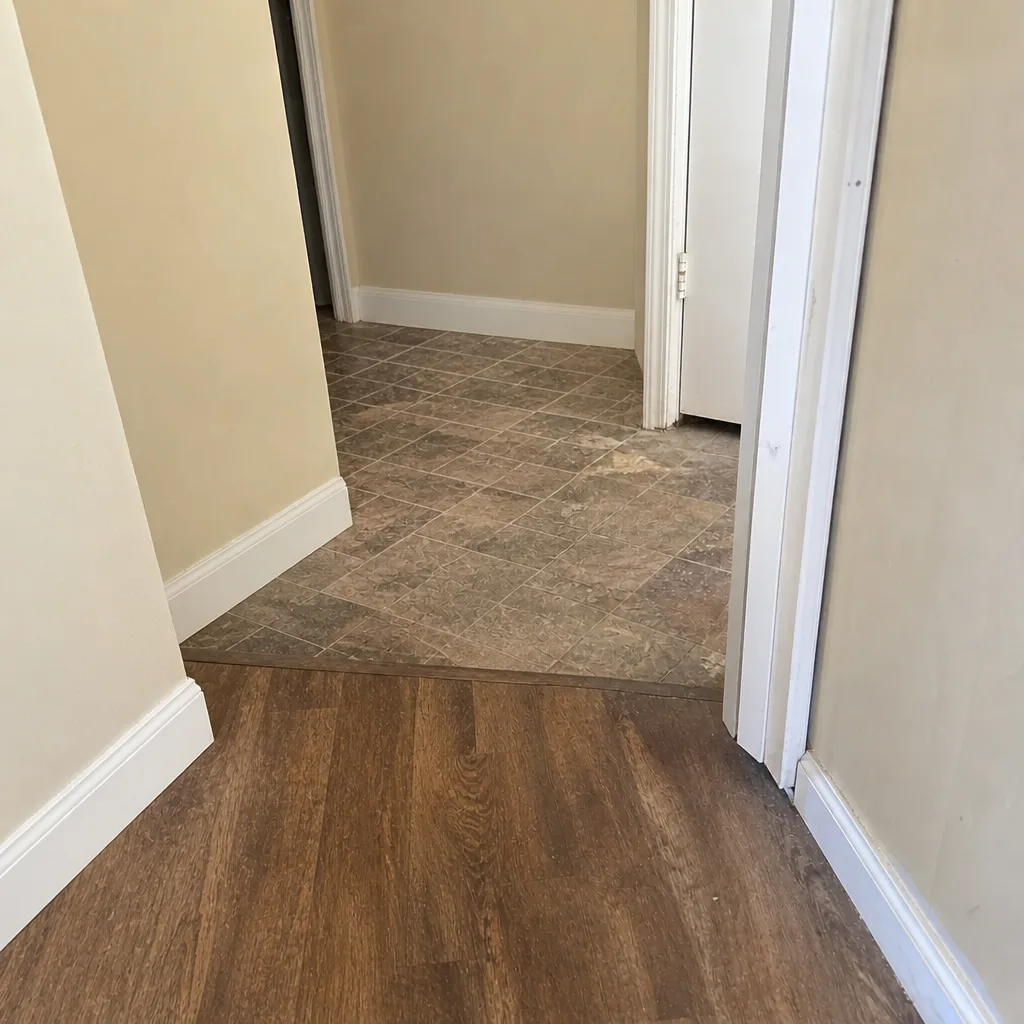 After
When to Call a Professional
Call a professional when the duct system is longer than your tools can reach (which is most full HVAC systems), when the ducts are flex or duct board, when the contamination type requires more than a surface clean, or when you find visible damage during a DIY attempt. Call us if you’re not sure. Duct Cleaning Laredo offers free estimates in Laredo – call (844) 938-0644. We answer 24/7. Fast dispatch from 7am to 7pm, Sunday through Friday. Our technicians have up to 11 years of experience, and we’ll tell you honestly if the job is one you can handle yourself. When the answer is professional cleaning, one flat price per system gets agreed before work starts, with before-and-after photos of your own ducts when we’re done.
Frequently Asked Questions
You can clean the register grilles, the filter housing, and the first few feet of duct closest to each register, but you cannot achieve full-system cleaning with a shop vac. The vacuum’s effective reach is a fraction of what’s needed, and the far end of a typical Laredo duct system never sees meaningful suction. For a full cleaning, call (844) 938-0644 for a free estimate.
A basic hardware-store kit runs about $30 to $200, and it’s genuinely worth having for dryer vent cleaning on short runs under 15 feet. It’s not worth buying as a substitute for professional air duct cleaning because the kit physically cannot reach the duct length needed. Call (844) 938-0644 for an exact quote on professional cleaning – estimates are free.
Cheap quotes usually reflect a reduced scope – register vacuuming rather than source removal, no HEPA filtration, no before-and-after verification – or a bait-and-switch price that grows once the technician is on site. Ask every company what the price includes and whether the price is flat per system or per vent. We quote one flat price per system, agreed before work starts. Call (844) 938-0644 for an exact quote – estimates are free.
Ask for before-and-after photos of your own ducts, not stock images. A real cleaning produces visible evidence at the register ends and at the trunk line, and a company confident in its work will show it to you. We provide before-and-after photos of your own ducts after every cleaning. Call (844) 938-0644 for a free estimate.
Most homes don’t need yearly cleaning. Somewhere around every three to five years is the appropriate interval for typical homes, more often after a renovation, after rodent activity, or if someone in the house has allergies or respiratory sensitivity that’s getting worse. A free estimate is a good way to get an honest read on your specific home. Call (844) 938-0644.
Yes, and flex duct is where it happens most. A consumer brush pushed through flex duct with too much pressure can tear the interior liner or collapse a section, and either one is a permanent airflow problem that requires duct repair. If you’re unsure whether your duct material can take a DIY attempt, stop and call (844) 938-0644 for a free estimate first.
The Bottom Line
The DIY vs professional question is a mechanical question, not a philosophical one. Consumer tools reach 15 to 20 feet on a straight run and can clear a short dryer vent, and those are genuinely worthwhile tasks worth doing between professional cleanings. They cannot clean a full HVAC system because they can’t establish whole-system negative pressure or agitate the duct walls past the first bend. In Laredo homes with flex duct from the 1990s and 2000s, a DIY attempt also carries real risk of tearing a liner or disconnecting a joint. Do the maintenance tasks yourself when they make sense. Book professional cleaning for the full system when it’s the honest answer. Call (844) 938-0644 for a free estimate. We answer 24/7. Fast dispatch from 7am to 7pm, Sunday through Friday. Explore our Duct Cleaning Laredo services to see the full scope.
Written by the team at Duct Cleaning Laredo.