
Last updated November 15, 2026
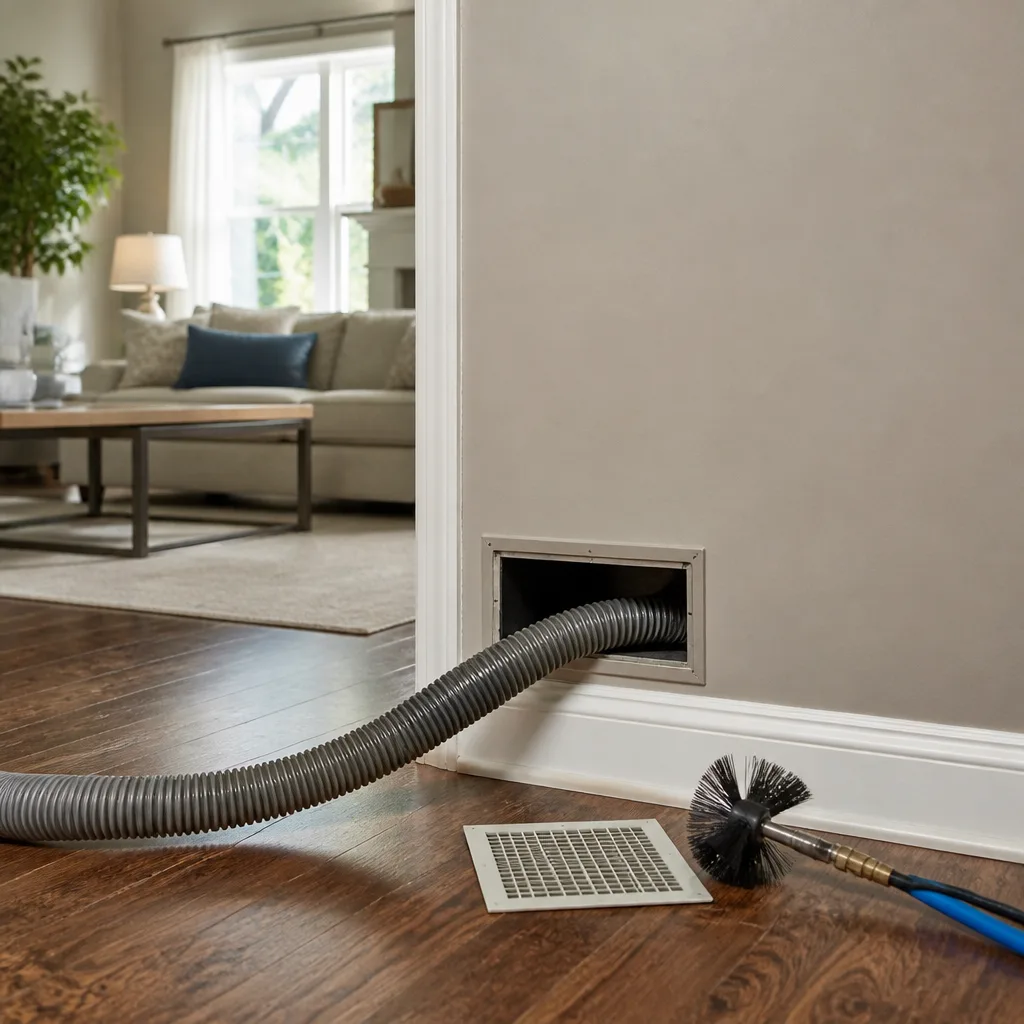 Whole-home duct cleaning
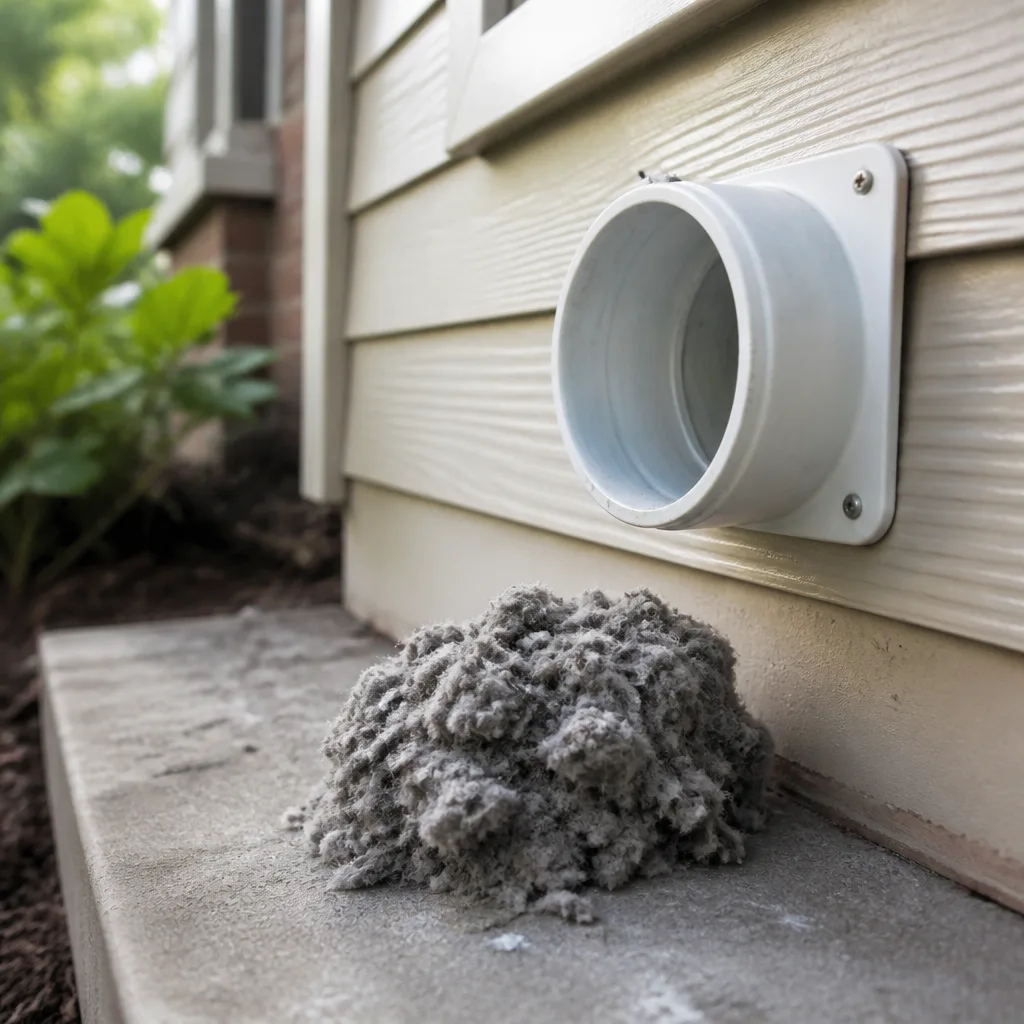 Dryer vent cleaning
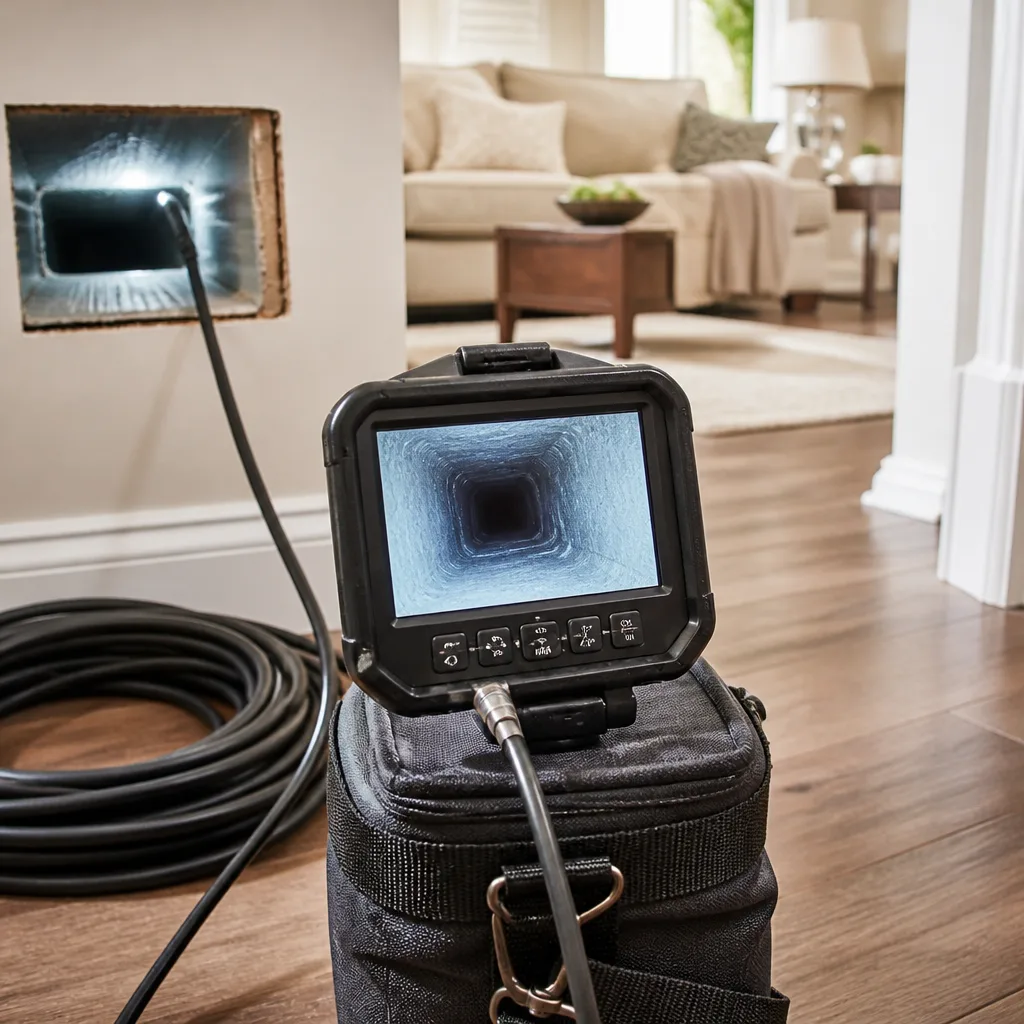 Camera inspection
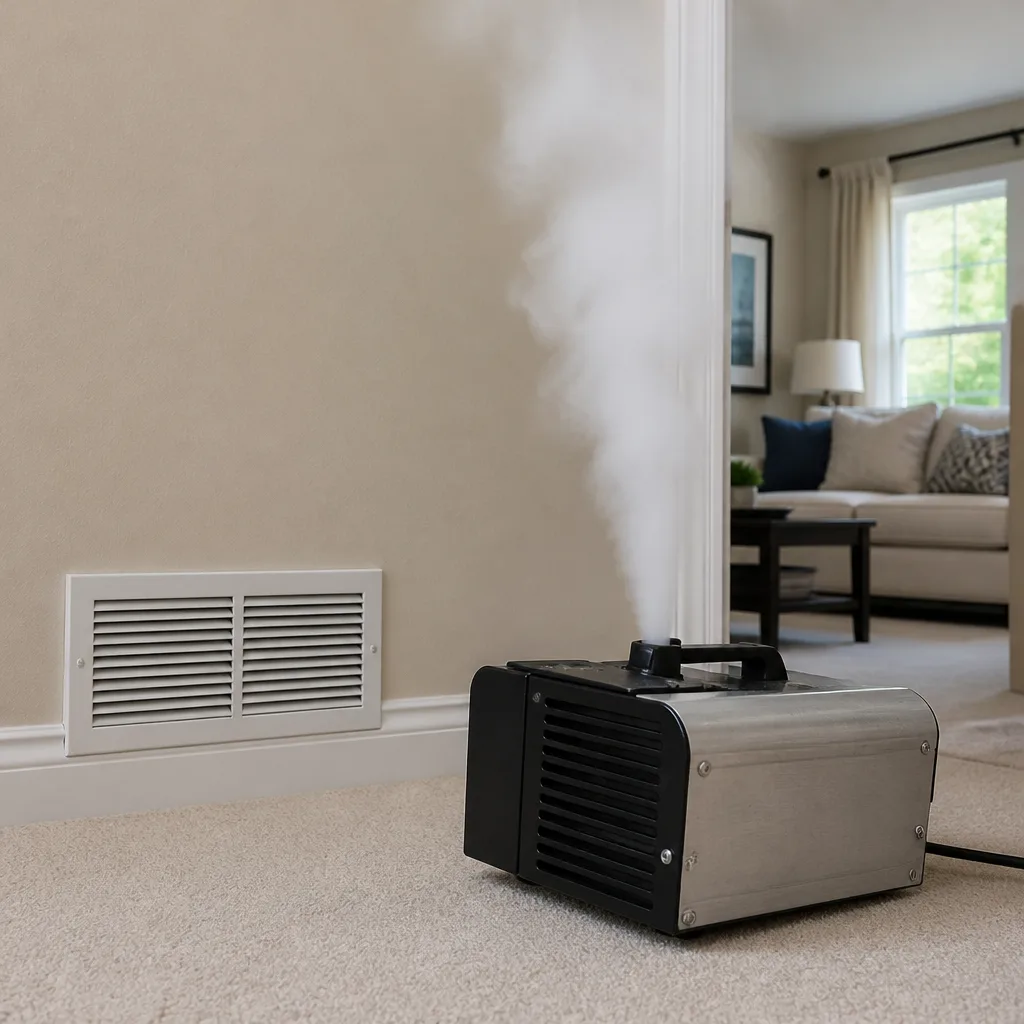 Sanitizing & deodorizing
Whole-system duct and dryer vent check with before-and-after photos - you see exactly what came out of your vents
That "$99 whole-house special" is a bait ad - the real number appears once they are in your hallway, or the "clean" is a shop-vac at the register. We photograph the inside of your ducts before and after instead.
Air Duct Cleaning Cost Breakdown: The Laredo Homeowner’s Reference for 2026
A whole-house duct cleaning quoted at one price and a whole-house duct cleaning quoted at quadruple that price can describe two completely different jobs. One is a portable vac with compressed-air whips pushed through the registers. The other is a negative-pressure setup with mechanical contact agitation pulling debris out of the entire system, trunk lines included. The gap isn’t markup. It’s scope. What follows is the breakdown most estimates never show you: what each line item on a real Laredo estimate should cost, which line items signal a genuine source-removal cleaning versus a surface wipe, and how to use a written estimate to reverse-engineer which one you’re actually being sold.
Quick Answer
Whole-system air duct cleaning in Laredo typically runs roughly $350 to $700 for an average single-story home, with larger or more complex systems pushing toward $900 or more. The number that matters isn’t the headline figure, it’s whether the estimate itemizes trunk lines, branch runs, registers, and the blower compartment, or hides them behind a per-vent price. A written estimate that names each component is the only way to compare two quotes fairly.
Styles & brands we work with
- Whole-home duct cleaning
- Dryer vent cleaning
- Camera inspection
- Sanitizing & deodorizing
Table of Contents
- What actually drives cost in Laredo duct cleaning
- Line-item cost ranges for each component
- Why per-vent pricing hides the real job
- Why dryer vent cleaning is scoped separately
- Repair and mold work discovered mid-job
- How to read an estimate and spot a surface service
- What professional equipment changes about price
- Laredo-specific conditions that affect scope
What Actually Drives Cost in Laredo Duct Cleaning
Four variables move the price on almost every job. Home size and vent count come first, but they’re only the entry point. Duct material matters more than most homeowners expect: flexible duct has ridges that collect debris along its full length, while sheet-metal trunk lines can be cleaned more aggressively but often need sealing at the seams afterward. Attic access is the third variable, and in Laredo’s low-pitch roofs and tight attic clearances it can add real labor time. System age rounds it out, because older systems tend to have more accumulated debris and more disconnected joints waiting to be found.
We’ve watched these four factors swing a quote by a few hundred dollars on otherwise similar homes. A three-bedroom home with attic flex runs and easy access is a different project from a two-story with sheet-metal trunks buried above a hard ceiling. Neither is being overcharged. They’re being priced for the work involved.
One more variable worth naming: how the company is set up to clean. A specialist bringing contractor-grade extraction and air filtration to the job has a different cost structure than a generalist running duct cleaning as a sideline between HVAC calls. That difference shows up in the number and, more importantly, in what gets cleaned.
The variables in order of impact
- Vent count and square footage. More registers mean more branch runs, more time, more access points.
- Duct material. Flex duct needs gentler, longer contact cleaning; sheet metal can take aggressive agitation but often needs resealing.
- Attic access conditions. Low clearance, tight turns, and limited entry points all add labor.
- System age and debris load. Older systems often hold decades of accumulation and reveal disconnected joints mid-clean.
- Equipment class. Negative-pressure extraction with HEPA filtration versus a shop vac and a hose.
Line-Item Cost Ranges for Each Component
Here’s where a transparent estimate separates itself. Each of these components should appear as its own line, or be clearly stated as included. If an estimate collapses them into one number, ask which of them are covered. These are typical estimated ranges, and the written estimate sets the final price for your specific system.
- Main trunk line cleaning: roughly $120 to $250. This is the large central run, usually sheet metal, and it’s where the heaviest accumulation sits.
- Branch duct cleaning: roughly $40 to $90 per branch run. The individual runs feeding each register.
- Register and grille service: roughly $8 to $20 per register, removed, cleaned, and reinstalled.
- Blower compartment cleaning: roughly $60 to $140. The air handler’s fan section, frequently skipped by low-bid outfits.
- Access point creation and patching: roughly $25 to $60 per access point. Some systems have no service access and it has to be cut and sealed properly.
Add those up for a typical Laredo home with twelve registers and you land in the range most honest whole-system quotes occupy. That arithmetic is the point. When a quote comes in far below the sum of its parts, something on the list isn’t happening.
One note on the air handler: cleaning the blower compartment and the coil area is part of a proper job, and it’s also where careless work causes problems. Components there are delicate and the electrical connections are live. We flag it as a trained-technician task and never suggest a homeowner open that cabinet.
Why Per-Vent Pricing Hides the Real Job
A per-vent price tells you one thing: what a company charges to touch each register. It tells you nothing about the trunk line, the blower, or whether the debris was actually removed from the system or merely loosened and redistributed. That’s the fundamental problem with per-vent pricing, and it’s why we quote whole-system flat pricing instead. One price for the system, agreed before any work begins, itemized so you can see what’s included.
This is also how bait-and-switch starts. A low per-vent teaser gets the technician in the door. Once on site, the scope gets renegotiated: the trunk line costs extra, the blower costs extra, the “heavily soiled” section costs extra. By the time the invoice is written, the teaser price is a distant memory.
The fix is straightforward. Ask for a written, whole-system, itemized quote before anyone comes out. If a company can’t produce one, that’s your answer. For a closer look at how a proper whole-system job is scoped from start to finish, see our air duct cleaning page.
Why Dryer Vent Cleaning Is Scoped Separately
The dryer vent is not part of your HVAC duct system. It’s a separate exhaust path running from the dryer to the exterior, and it fills with lint, which is highly combustible. NFPA data links clogged dryer vents to thousands of residential fires each year. That’s why we treat dryer vent cleaning as a primary safety service, not an upsell tacked onto the duct invoice.
Pricing it separately isn’t a way to inflate the bill. It reflects that it’s different work with different equipment and a different risk profile. The vent run has to be traced end to end, the exterior hood and flapper checked, and the transition behind the dryer inspected for crushed or disconnected sections, which are common and often invisible.
What a bundled dryer vent line should look like
- Standalone dryer vent cleaning: typically a modest separate figure based on run length and roof or wall termination.
- Bundled with a full duct cleaning: a reduced add-on price, because the equipment and setup are already in place.
- What to watch for: a dryer vent “cleaning” that amounts to a quick blast from the dryer side without tracing the full run or checking the exterior termination.
Ask specifically whether the exterior hood and the full run are included. That question alone will tell you whether you’re getting a real service.
Repair and Mold Work Discovered Mid-Job
Duct cleaning regularly turns up problems no one knew were there: disconnected flex runs, crushed sections behind a wall, torn insulation, or in humid conditions, microbial growth on interior duct surfaces. The question isn’t whether these get found. It’s how a company handles them when they do.
A transparent contractor discloses the discovery, shows you the evidence, and quotes the repair in writing before doing anything else. What you want to avoid is the on-the-spot upsell, where a vague “you’ve got mold in there” turns into an open-ended charge with no documentation.
This is where having repair under the same roof matters. We handle duct repair as a core service, so a disconnected run found during cleaning gets fixed in the same visit rather than handed off to a second contractor who has to be scheduled, quoted, and coordinated. For the homeowner, that’s one conversation and one written estimate instead of two.
How a transparent contractor handles a mid-job discovery
- Stop and document the issue with photos or video you can see.
- Explain what it is and whether it affects air quality, efficiency, or safety.
- Provide a written quote for the repair before any additional work begins.
- Let you decide, with no pressure and no work performed until you approve.
- Complete the repair and show you the result, before and after.
If a company can’t describe its process for this, that’s worth knowing before you book.
How to Read an Estimate and Spot a Surface Service
A written estimate is a diagnostic tool. Read it closely and it will tell you whether you’re being priced for source removal or a light surface pass. Start with whether it’s itemized. A single line reading “duct cleaning” with a number beside it is a red flag on its own, because it commits to nothing.
Next, look for the questions it answers without you asking. Does it name the trunk line? Does it mention the blower compartment? Does it state the number of registers and access points? Does it tell you what equipment will be used? A real estimate reads like a scope of work. A surface-service quote reads like a price tag.
The most powerful test is the before-and-after photo promise. A company doing genuine source removal can show you the inside of your ducts before and after. If that offer isn’t in the estimate, ask for it explicitly. The answer will be revealing. For a broader look at what a proper job involves from a company that specializes in it, visit Duct Cleaning Laredo.
Red flags on a written estimate
- A single lump-sum line with no itemization.
- No mention of trunk lines, blower compartment, or access patching.
- No statement of equipment used.
- No before-and-after documentation offered.
- Price quoted per vent with the scope left open.
- Any repair or add-on priced only “after we get in there.”
What Professional Equipment Changes About Price
Equipment is the single biggest reason two quotes for the same house can differ by hundreds of dollars, and it’s the part homeowners see least. A consumer-grade shop vac and a compressed-air whip can knock loose surface dust. It cannot pull embedded debris out of a full trunk line, and it doesn’t create negative pressure to keep that debris from settling back into the house.
We run Rotobrush contact-cleaning systems, which use mechanical agitation to work debris free along the full duct surface, paired with Nikro HEPA vacuum extraction. We also deploy Abatement Technologies air filtration equipment, the same category of gear used in professional remediation work. That’s the difference between a price that reflects a surface pass and one that reflects source removal. It’s also why we work with Honeywell and Aprilaire air quality systems, so a cleaning can be followed by a whole-home air quality improvement in the same appointment if the system calls for it.
The homeowner takeaway is simple. Ask what equipment will be used. If the answer is vague, the price probably reflects a vague job.
Laredo-Specific Conditions That Affect Scope
Laredo’s climate shapes what ends up in your ducts. Long stretches of heat and dry air mean the system runs hard for much of the year, moving a high volume of air and the dust it carries. Homes here tend to run the blower more hours than a cooler climate would, and that sustained airflow deposits fine particulate along duct surfaces faster. The dust you see settling on furniture between cleanings is a fair signal of what’s accumulating inside the system.
Construction and renovation dust is another local factor. When a home has had recent work done, drywall dust and fine debris migrate into the return side and settle through the trunk lines. A cleaning after major renovation is a different job from a routine one, and a good estimate will ask about it.
Attic conditions matter too. Many Laredo homes have limited attic access and low clearances, which adds labor time and sometimes requires additional access points to clean properly. That’s not padding. It’s the reality of getting equipment to the ductwork. If you want to understand how this plays out across the area, our Laredo page covers the local picture in more depth.
The honest summary: local conditions don’t change the fundamentals of pricing, but they do change scope on a given home, and a quote that ignores them is a quote that hasn’t looked closely.
Common Mistakes to Avoid
- Choosing on price alone. The lowest quote is often the lowest because the least work is being priced. Compare scope, not just the bottom line.
- Accepting a per-vent price without a scope. A per-vent figure leaves the trunk line, blower, and access work undefined, which is exactly where the surprise charges live.
- Skipping the before-and-after ask. If a company can’t show you the inside of your ducts before and after, you have no way to confirm the work was done. Ask upfront.
- Treating dryer vent cleaning as optional. It’s a documented fire risk, not a convenience. It deserves its own line on the estimate and its own attention.
- Letting a mid-job discovery become an open-ended charge. Any repair found during cleaning should come with a written quote and your approval before work continues. Insist on it.
- Assuming all duct cleaning equipment is the same. A shop vac and a hose is not the same tool as negative-pressure extraction with HEPA filtration. Ask what’s coming into your home.
- Overlooking attic access limitations. In Laredo’s tighter attics, a company that doesn’t account for access conditions may cut corners on the runs it can’t easily reach.
See the difference
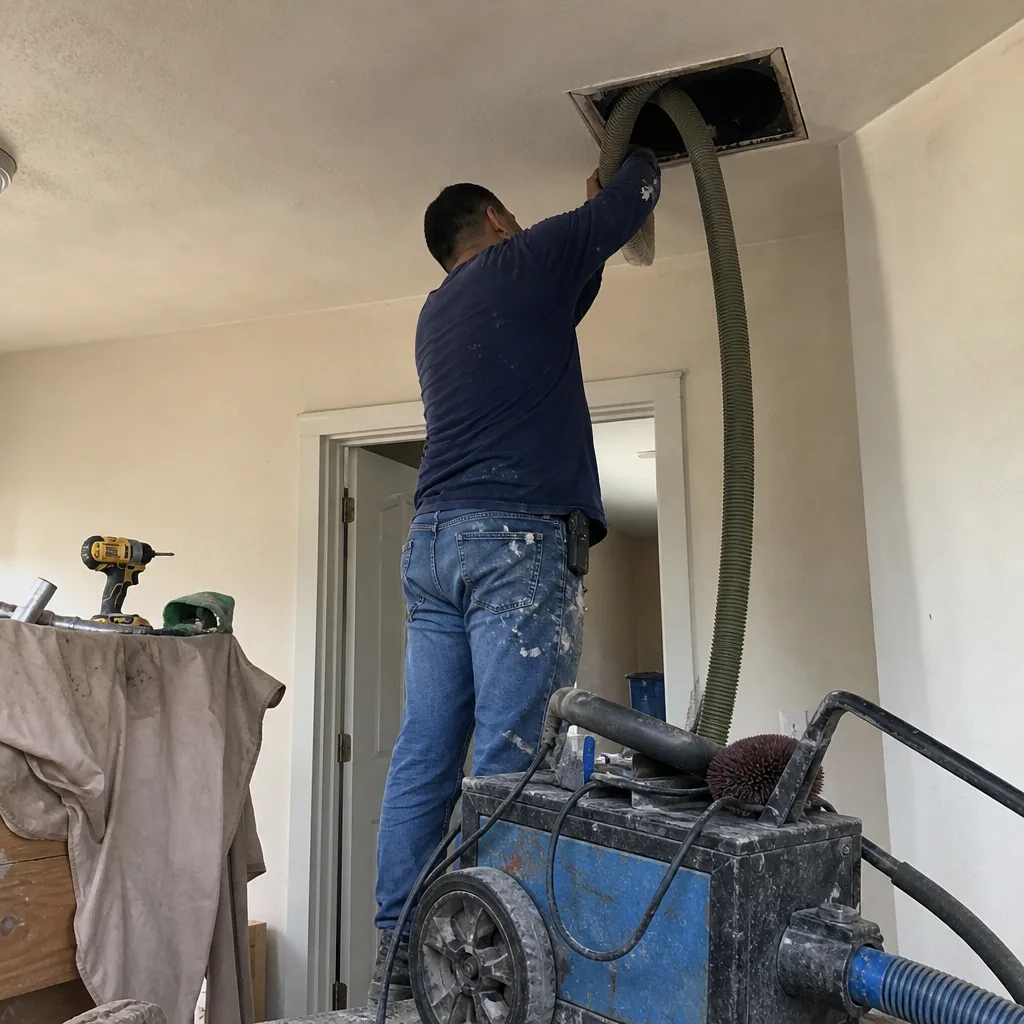 Before
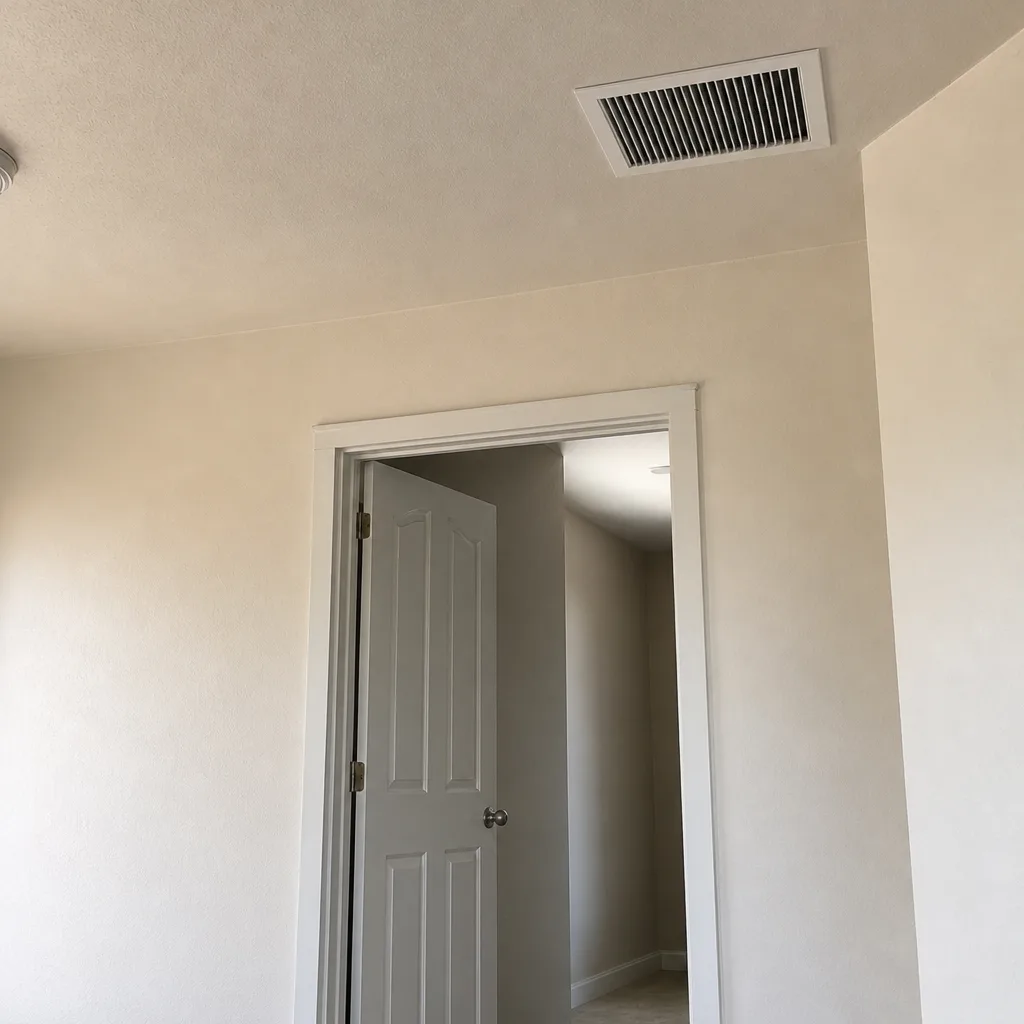 After
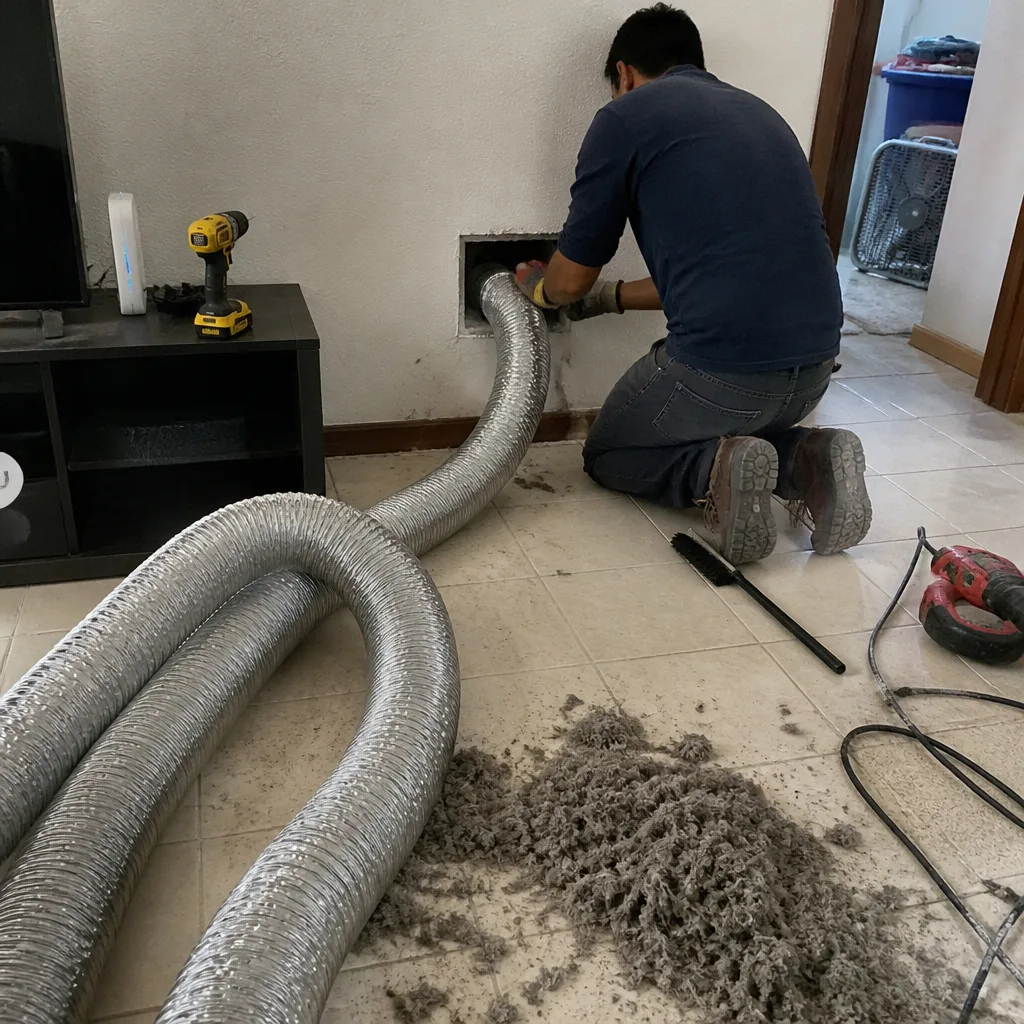 Before
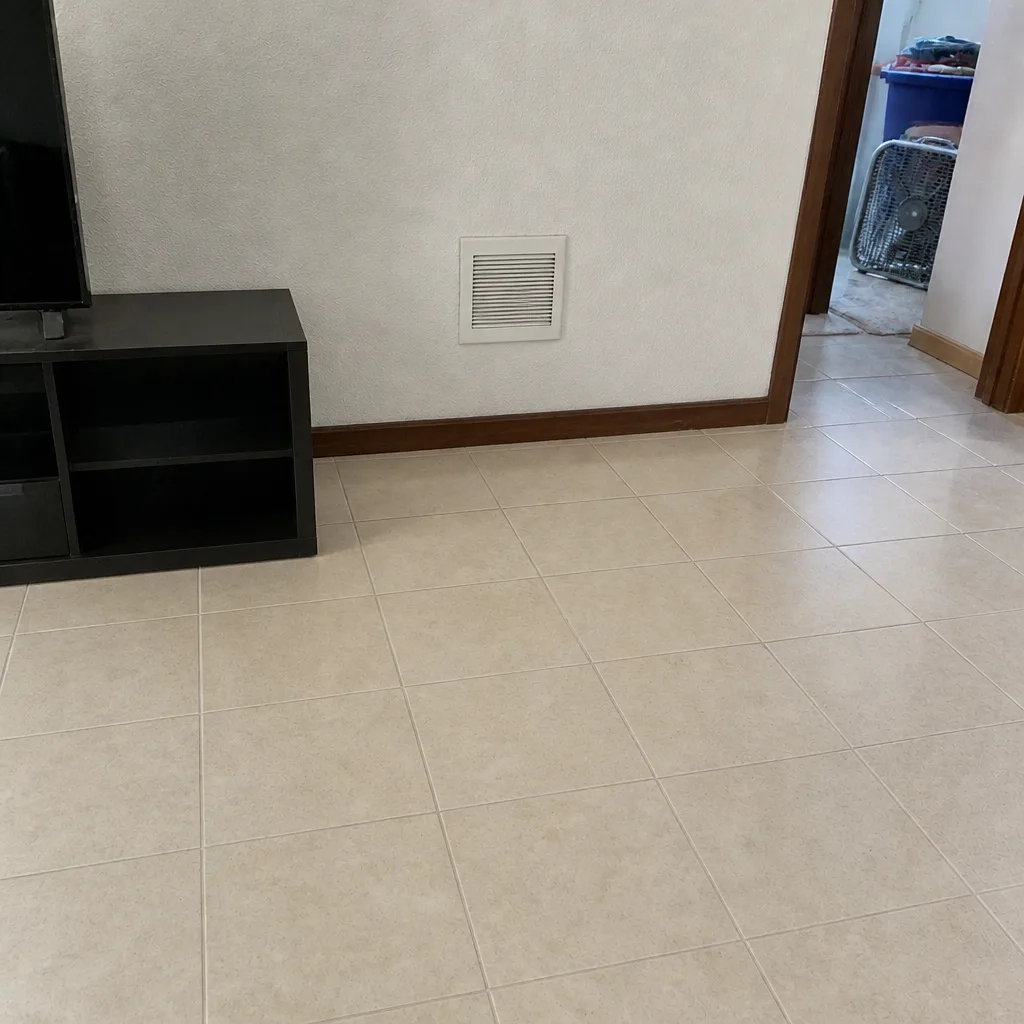 After
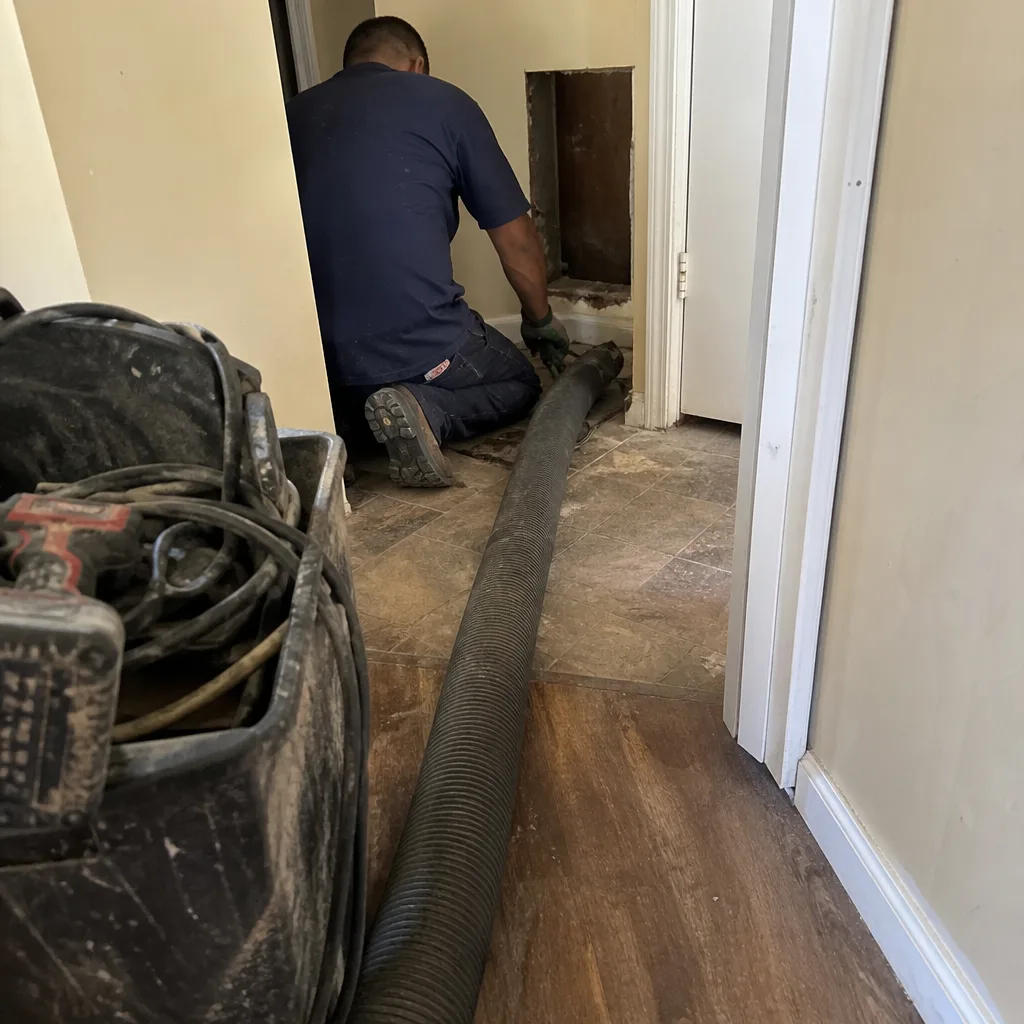 Before
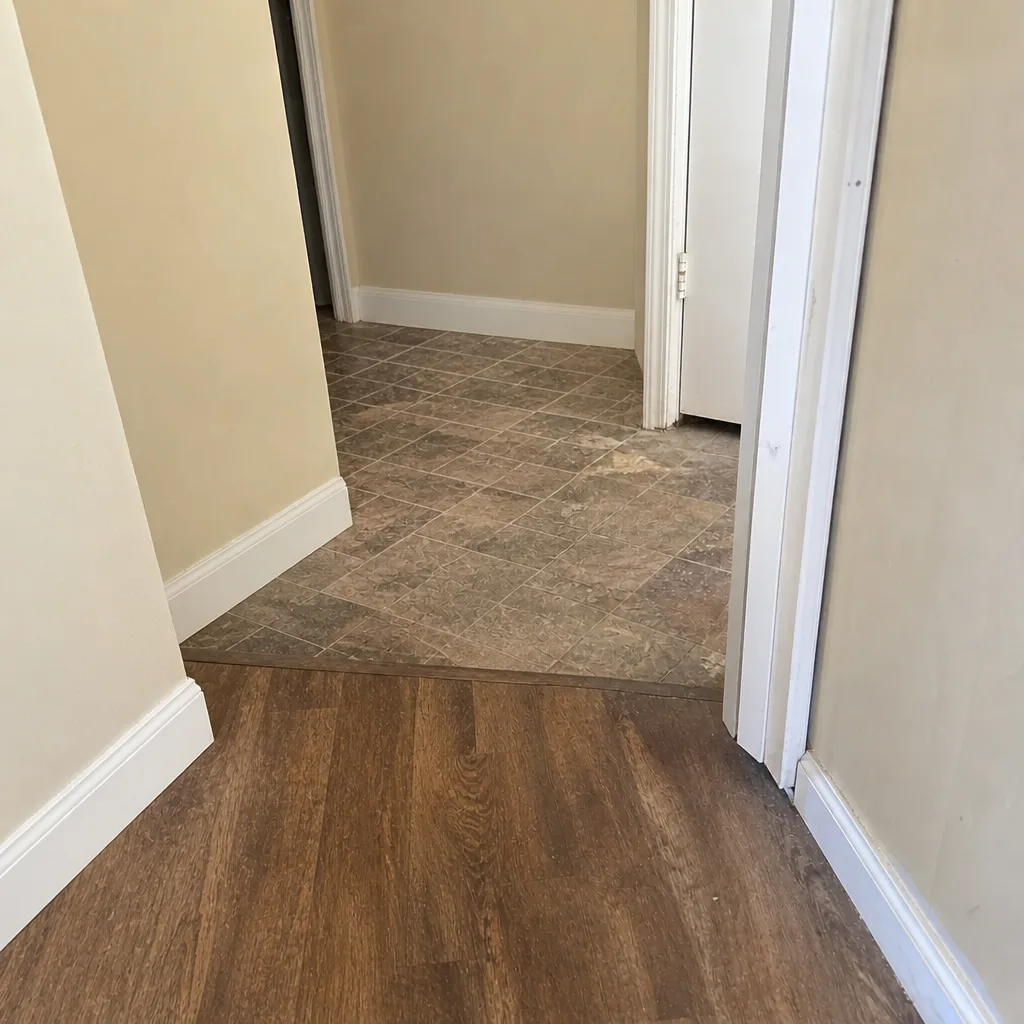 After
When to Call a Professional
Some signs point clearly to a professional visit. Visible dust streaking from registers when the system kicks on. A musty or stale smell that returns after cleaning the house. Allergy symptoms that flare when the HVAC is running. A noticeable drop in airflow at some vents but not others, which can signal a disconnected or crushed run. Recent renovation work that sent drywall dust through the returns. And any dryer that takes noticeably longer than it used to, which often means a restricted vent.
These are all conditions a specialist can assess and quote in writing before any work starts. Duct Cleaning Laredo offers free estimates in Laredo. Call (844) 938-0644. We answer 24/7. Fast dispatch from 7am to 7pm, Sunday through Friday.
Frequently Asked Questions
Most whole-system cleanings in Laredo land in the estimated range of roughly $350 to $700 for an average single-story home, with larger or more complex systems going higher. The written estimate sets the final price for your specific system, and it should be itemized so you can see what’s covered. Call (844) 938-0644 for an exact quote. Estimates are free.
Cheap quotes usually price a lighter job: a surface pass with a shop vac and compressed air rather than full source removal with negative pressure and mechanical agitation. Sometimes the low figure is a teaser that gets renegotiated on site once the technician is in the door. Compare scope line by line, not just the headline number. Call (844) 938-0644 and we’ll walk you through what a real scope includes.
Ask for before-and-after photos of your own ducts, taken during the job. A company doing genuine source removal can document it, and it should offer that without being asked. If documentation isn’t on the table, treat that as a signal. Call (844) 938-0644 to schedule a cleaning with before-and-after photos included.
There’s no single universal schedule, and anyone who quotes one fixed interval is oversimplifying. Factors like recent renovation, pets, allergy sensitivity, and how hard the system runs all shift the answer. A visual inspection is the honest way to decide. Call (844) 938-0644 for a free estimate and an assessment of your system.
The dryer vent is a separate system from your HVAC ducts, and it’s a documented fire risk when clogged, so it’s priced separately. Bundling it with a duct cleaning usually reduces the add-on cost because the equipment and setup are already in place. Call (844) 938-0644 to price both together.
A transparent contractor stops, shows you the problem, and quotes the repair in writing before doing anything else. Duct repair is a core service we handle directly, so the fix happens in the same visit rather than through a second contractor. Call (844) 938-0644 to get an estimate that covers both cleaning and repair.
The Bottom Line
Duct cleaning pricing in Laredo is opaque mainly because estimates don’t show their work. When you can see the line items, trunk lines, branch runs, registers, blower compartment, and access patching, the price stops being a mystery and becomes a scope you can compare. The two things that matter most: an itemized written estimate before any work begins, and before-and-after photos of your own ducts when it’s done. Together they close the gap between a teaser price and a real job. Our technicians have up to 11 years of experience, and we quote one flat price per system, agreed before we start, with the equipment and process to back it up.
Call (844) 938-0644 for a free estimate. We answer 24/7. Fast dispatch from 7am to 7pm, Sunday through Friday.
Written by the team at Duct Cleaning Laredo.