
Last updated November 15, 2026
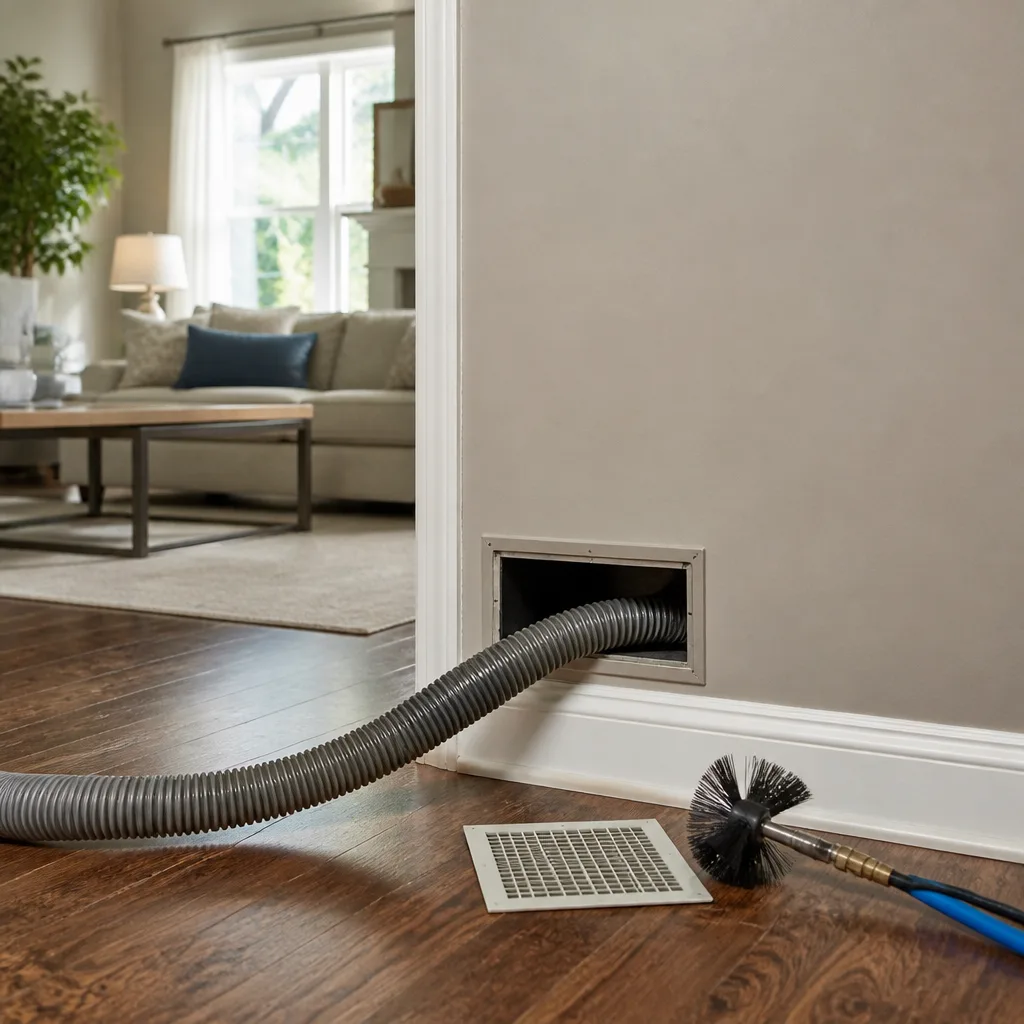 Whole-home duct cleaning
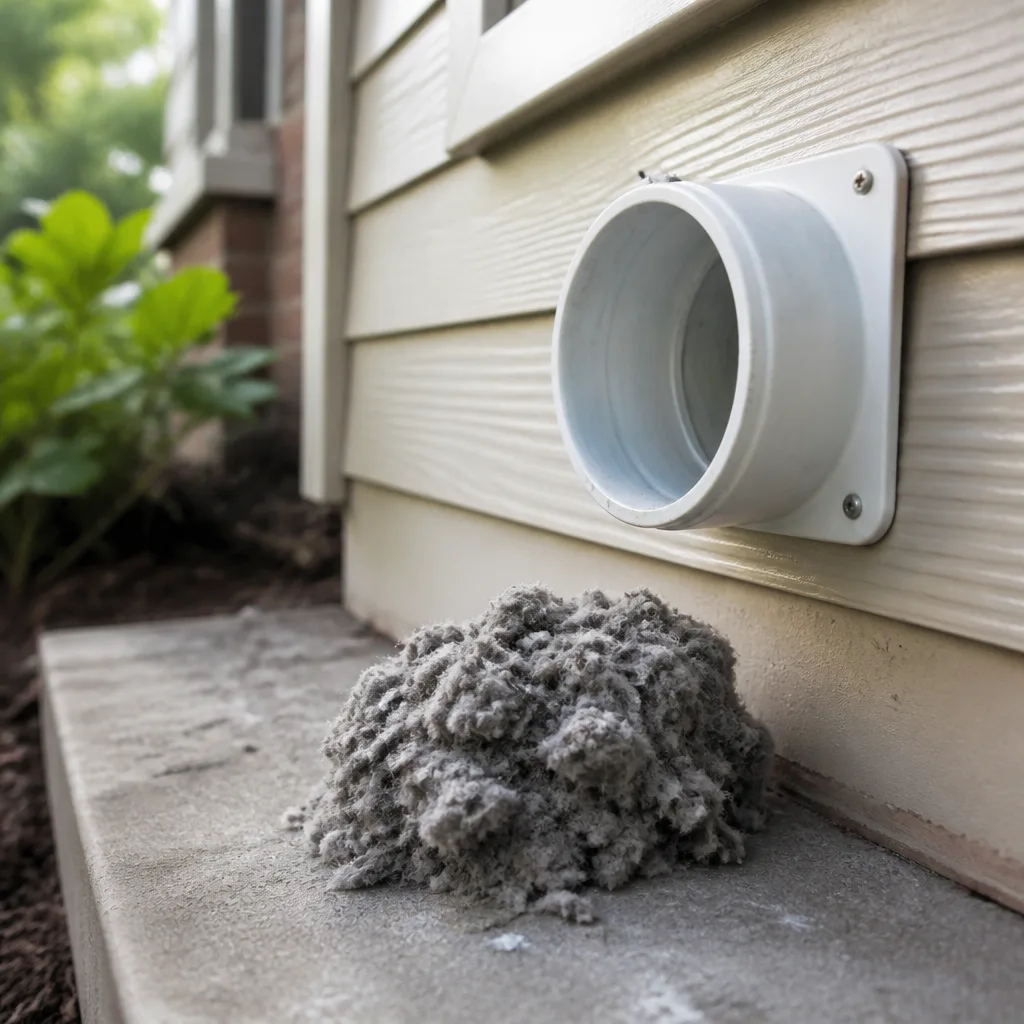 Dryer vent cleaning
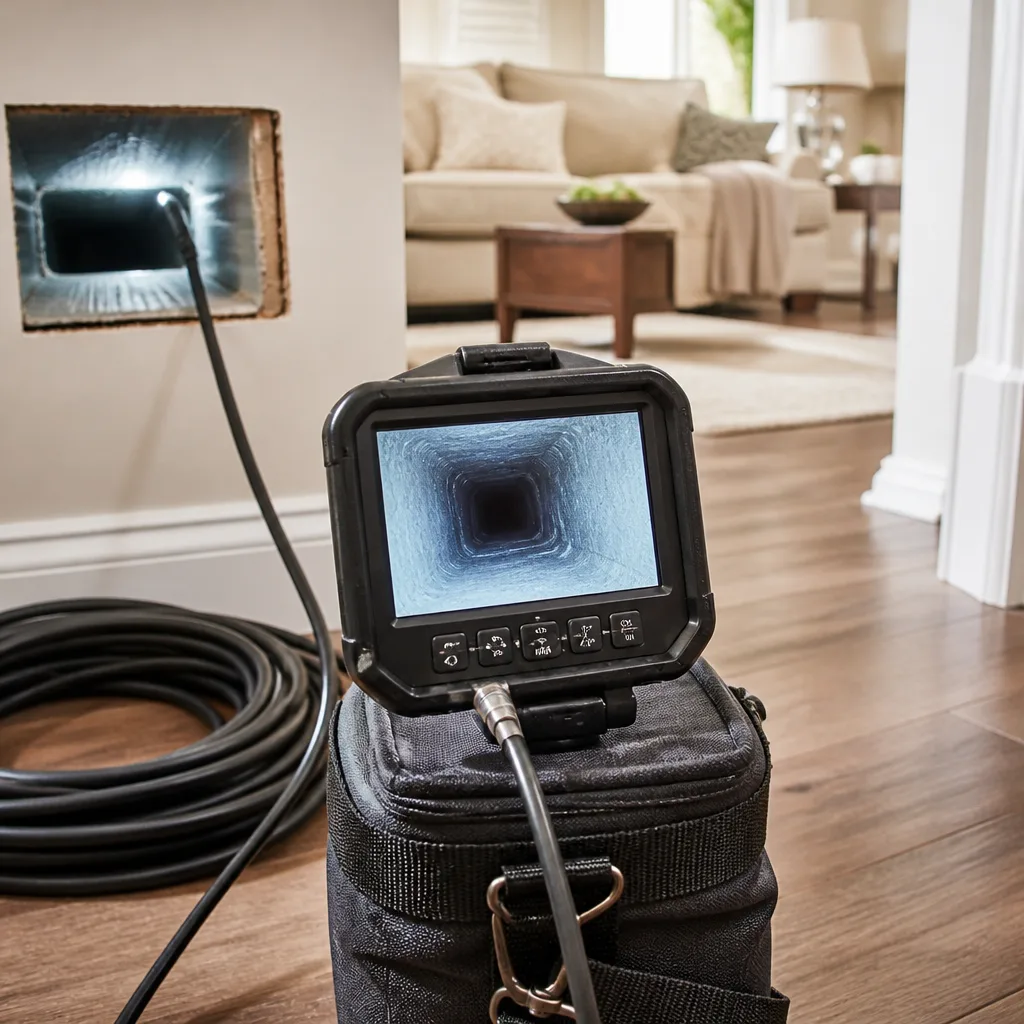 Camera inspection
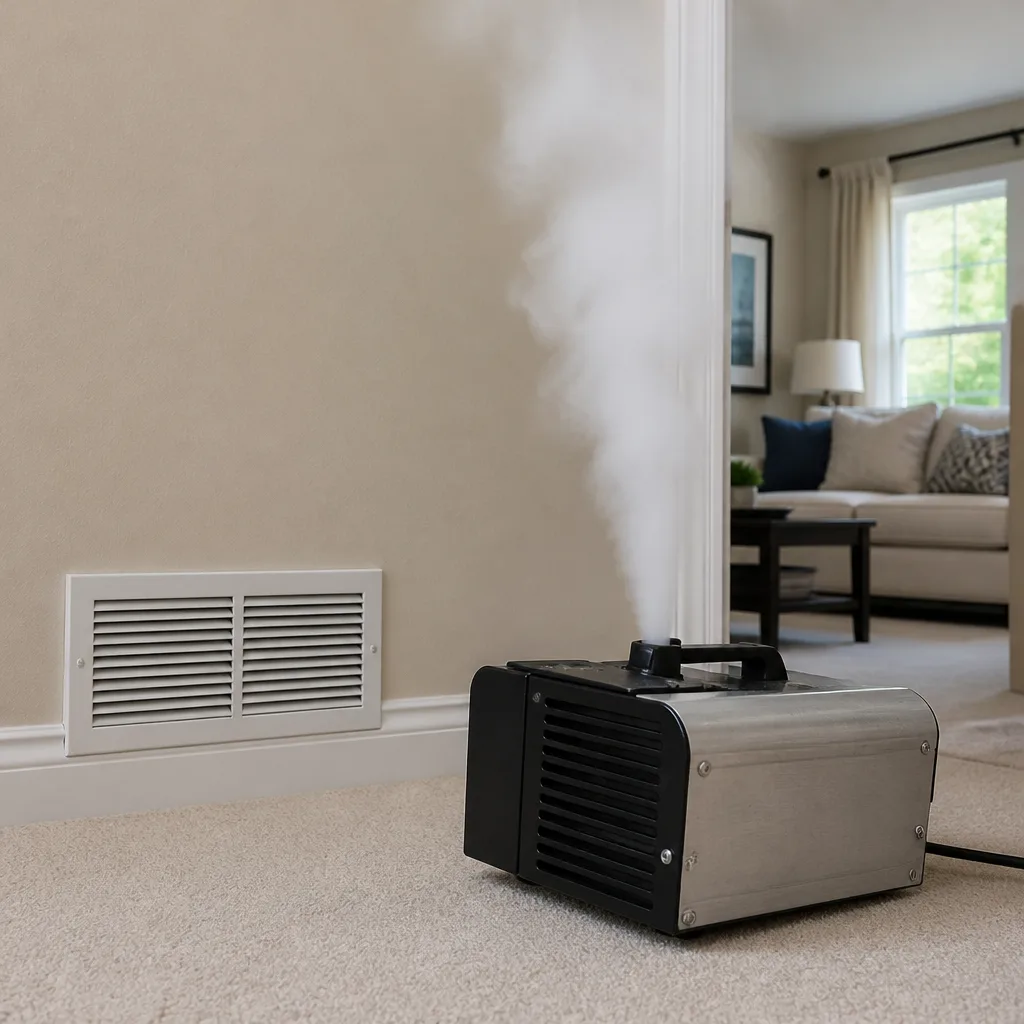 Sanitizing & deodorizing
Whole-system duct and dryer vent check with before-and-after photos - you see exactly what came out of your vents
That "$99 whole-house special" is a bait ad - the real number appears once they are in your hallway, or the "clean" is a shop-vac at the register. We photograph the inside of your ducts before and after instead.
How to Hire an Air Duct Cleaning Contractor in Laredo: A Step-by-Step Guide
Texas does not require a specific license to offer air duct cleaning services, which means the guy with a shop vac and a Facebook ad is operating under the same legal framework as a firm running contractor-grade HEPA equipment. That’s the uncomfortable truth about this trade, and it’s the reason so many homeowners in Laredo end up disappointed after a low-bid “whole house” special. There is no state inspector checking whether the vacuum was strong enough or whether the vents were actually touched. The vetting burden falls on you. This guide gives you the exact questions, documents, and red flags to use before you let anyone into your attic, your closets, or your air handler. You’ll learn how to verify equipment, read an estimate line by line, confirm insurance, and tell a specialist from a generalist.
Quick Answer
To hire an air duct cleaning contractor in Laredo, verify three things before booking: whether the company holds NADCA membership you can confirm on the NADCA website, whether its vacuum collection unit meets the industry’s CFM standard for source removal, and whether it carries general liability insurance you can see proof of. Then insist on a written estimate that itemizes supply and return vent counts, access point locations, and how mold or duct damage would be handled. Skip anyone who quotes a flat “whole house” price over the phone without inspecting the system.
Styles & brands we work with
- Whole-home duct cleaning
- Dryer vent cleaning
- Camera inspection
- Sanitizing & deodorizing
Table of Contents
- Why Texas Has No Duct Cleaning License, and What Fills the Gap
- What NADCA Membership Actually Means and How to Verify It
- The Equipment Question That Separates Specialists from Generalists
- What a Legitimate Written Estimate Must Itemize
- How to Check Insurance and What Coverage Makes Sense
- Low-Bid Red Flags in the Laredo Market
- What a Professional Job Looks Like, Step by Step
- Common Mistakes to Avoid
Why Texas Has No Duct Cleaning License, and What Fills the Gap
In Texas, air duct cleaning is not a licensed trade. There’s no state board issuing a duct cleaning credential, no exam, no continuing education requirement. A company can print business cards and start taking calls the same week. That’s not a loophole anyone is exploiting deliberately – it’s just how the trade is structured here – but it does mean the phrase “licensed and insured” needs to be unpacked. Licensed by whom, for what? Insured for how much?
What fills the gap is a mix of voluntary industry standards and verifiable documentation. The two that matter most are NADCA (the National Air Duct Cleaners Association) and, for the equipment side, the vacuum performance standard used across the trade. Neither is a law. Both are checkable. A contractor who can point you to a NADCA listing, name their equipment, and hand you a certificate of insurance is doing the work of proving competence because nobody is forcing them to.
In a city where dust rides in on dry spring winds and the air handler runs hard most of the year, that difference shows up fast. Laredo homes are often tightly sealed against the heat, which means whatever is sitting in the return plenum gets recirculated. The company you hire is either removing that material or stirring it around. There’s very little middle ground.
Ask directly: “Are you NADCA members, and can you tell me where to verify that?” and “What’s the CFM rating on your vacuum?” A specialist answers in seconds. A generalist who cleans ducts between HVAC tune-ups usually can’t answer either one.
What NADCA Membership Actually Means and How to Verify It
NADCA is a trade association, not a government agency, so membership isn’t a license. What it is, in practice, is the closest thing this industry has to a vetting standard. To join, a firm agrees to follow NADCA’s assessment, cleaning, and restoration standards – source removal rather than surface dusting, negative pressure containment, and proper handling of components like the blower and coils. Members also commit to a code of ethics and have access to the association’s technical guidance.
Membership alone doesn’t guarantee a good job. It does tell you the company knows the standard exists and has agreed in writing to work to it. That’s more than most of the market can say.
Here’s how to verify it, step by step:
- Go to the NADCA website and use the “Find a Professional” search tool.
- Enter the company’s name or the Laredo ZIP code where you live.
- Confirm the company appears as an active member, not a lapsed listing.
- Ask whether the individual technician assigned to your job holds NADCA’s Air Systems Cleaning Specialist (ASCS) credential.
- Cross-check the phone number and address on the listing against what’s on the estimate.
The last step catches a common trick. Some companies claim “NADCA-certified” in advertising while the listing belongs to a parent company or a franchise in another city. That’s worth a question. If the person on the phone can’t explain the relationship between their name and the listing, treat the claim as unverified.
Our technicians have up to 11 years of experience, and the reason that number gets mentioned at all is that experience is one of the few things in this trade you can’t verify from a website. NADCA membership is. Use it.
The Equipment Question That Separates Specialists from Generalists
This is the single most useful question you can ask, and almost nobody asks it: “What’s the CFM rating of your vacuum collection unit?” CFM stands for cubic feet per minute, and it’s the measure of how much air the collection unit moves. Duct cleaning done properly relies on negative pressure – the vacuum pulls a strong, steady draft through the system while a contact tool loosens debris from the duct walls. If the vacuum is weak, the debris goes into the room instead of into the collection unit. That’s how a “cleaned” duct system ends up dustier than it started.
Industry guidance points to a vacuum that can hold substantial negative pressure at the duct opening, with a rating commonly cited in the thousands of CFM for the collection unit itself. If a contractor can’t name a CFM figure at all, that tells you something. Consumer shop vacs and small portable units don’t come close, no matter how many hoses get taped together.
What professional equipment looks like:
- Contact cleaning tools. Rotobrush systems use rotating brush and whip tools driven through the duct runs to physically agitate debris off the walls. This is the part most low-bid work skips.
- HEPA filtration. Nikro HEPA vacuum equipment traps fine particulate instead of exhausting it back into the room. This matters in a house where allergy symptoms are part of why you called.
- Air filtration and containment. Abatement Technologies air filtration equipment is the category of gear used in professional remediation – negative air machines and HEPA air scrubbers that keep the work zone contained. When a company brings that standard into a residential job, it changes what “clean” means.
- Access and re-seal. Proper access cuts, then sealed again afterward, not left open or taped with duct tape.
A generalist HVAC company treating duct cleaning as a side service usually has a shop vac, a hose, and a helper. A specialist has the equipment above and can explain why each piece is there. You don’t need to become an equipment expert – you need to listen for whether the person on the phone sounds like one. The companies that do this work well are also set up for air duct cleaning as a primary service, which is a clue in itself.
What a Legitimate Written Estimate Must Itemize
A real estimate is a document, not a number on a phone call. If someone quotes a flat price before looking at your system, they’re guessing – and the guess usually gets revised upward once they’re in the attic. Ask for a written estimate and read it against this list.
Every legitimate estimate should itemize:
- Number of supply vents being cleaned, counted from your actual system, not estimated from square footage.
- Number of return vents and whether the return plenum or trunk line is included.
- Access point locations – where cuts will be made and how they’ll be sealed afterward.
- Components included beyond the ducts: blower motor, evaporator coil, drain pan, and air handler cabinet, each listed separately if included.
- What happens if mold is found. Duct board and insulation can grow microbial growth in a humid system. The estimate should say whether remediation is in scope or referred out.
- What happens if damage is found. Crushed flex duct, disconnected runs, torn insulation – who fixes it, and is that priced separately?
- Before-and-after documentation. Photos of your own ducts, taken at the access points.
- Final price terms. One flat price for the system, agreed before work starts.
The mold and damage questions matter more than most homeowners expect. In Laredo, duct systems run through attics that get brutally hot, and flex duct that’s been pinched or torn during an earlier installation stays that way. A cleaner who finds a disconnected run and can’t repair it leaves you calling a second company. That’s why we treat air duct repair as a core service rather than a handoff – it keeps the job in one scope, one estimate, one visit.
Ask the estimator to walk you through each line and tell you what’s not included. A company confident in its scope will do that without hedging.
How to Check Insurance and What Coverage Makes Sense
General liability insurance is the minimum. Ask for a certificate of insurance before the job is scheduled, not after. The certificate should name the company on your estimate, show an active policy period that covers your job date, and list a general liability limit. A common baseline for in-home service work is a policy in the range of $1 million per occurrence – enough to cover water damage, a broken component, or damage to your home from equipment. If the number on the certificate is dramatically lower, ask why.
Two things to check beyond the limit:
- Is there workers’ compensation coverage? If a technician is injured in your attic and the company has no workers’ comp, the situation can become your problem. Ask.
- Does the policy cover the work being performed? Duct cleaning and duct repair are sometimes excluded from a general handyman policy. The certificate should reflect the actual scope.
Call the insurance agent listed on the certificate if anything looks off. A legitimate company won’t mind – they expect it. A company that gets defensive about an insurance question is telling you something useful.
Texas doesn’t require duct cleaners to carry insurance, so this is another voluntary signal. It’s also a cheap one for a serious company to provide and an expensive one for a fly-by-night operation to fake.
Low-Bid Red Flags in the Laredo Market
The Laredo duct cleaning market has the same problem every Sun Belt city has: a low price gets your attention, and the real cost shows up on the invoice. Here’s what to watch for.
- “Whole house” deals priced under $99. No company can bring contractor-grade equipment, labor, and containment to a home for that price and stay solvent. The number is a door-opener. Once the technician is inside, the estimate grows.
- Per-vent pricing after the fact. A quote that starts low and then adds “you have 14 more vents than we thought” is a bait-and-switch scope tactic. Vent counts should be established on the estimate, not discovered mid-job.
- No inspection before the quote. If they haven’t seen your system, they can’t price it honestly.
- No CFM answer. If they can’t name the vacuum’s rating, they don’t have the equipment.
- No before-and-after photos offered. Insist on seeing your own ducts. Without photos, you have no way to know the work was done.
- High-pressure add-ons. Sanitizers, sealants, and “enzyme treatments” pushed hard on the first visit, before the cleaning is even finished.
- A company that can’t handle repair. If they find a crushed run or torn insulation and can only refer you out, you’re paying twice.
The pattern behind all of these is the same: a company that competes on price, then makes up the margin on scope changes. One flat price per system, agreed before work begins, with before-and-after photos of your own ducts, closes that door.
What a Professional Job Looks Like, Step by Step
Knowing the sequence helps you evaluate what’s happening on the day. A professional cleaning follows a consistent order, whether it’s a single-family home in Laredo or a light commercial space.
- Assessment first. The technician inspects the system, counts supply and return vents, checks for disconnected or damaged runs, and confirms the scope matches the estimate.
- Containment and protection. Floors and furnishings are covered. Negative air containment is set up so debris doesn’t migrate into living space.
- Access cuts. Access points are opened at the trunk and at run ends where needed.
- Contact cleaning. Rotating brush and whip tools agitate debris from the duct walls, run by run, starting furthest from the air handler.
- Source removal. The collection unit pulls loosened material out under negative pressure, with HEPA filtration on the exhaust side.
- Component cleaning. Blower, coil, and drain pan are cleaned if in scope.
- Repair. Any damage found – crushed flex, torn insulation, disconnected joints – is repaired and documented.
- Re-seal and restore. Access cuts are sealed. Containment comes down.
- Documentation and air quality follow-up. Before-and-after photos are provided. If filtration or humidity control improvements are part of the plan, we can bridge that to the same visit using Honeywell or Aprilaire equipment.
The last step is where a specialist differs from a generalist. Cleaning is the fix for contamination. Filtration and humidity control are the fix for how fast it comes back. In a dry, dusty climate like Laredo’s – with the air handler pulling outside air and running through springs that carry fine particulate – addressing both on the same visit is usually more useful than a cleaning alone.
One more category deserves its own line: dryer vent cleaning. It’s a safety service, not a cleaning add-on. Clogged dryer vents are linked by NFPA data to thousands of residential fires each year, and lint accumulation in a vent run is the fuel. The vent run gets inspected and cleared with the same care as the duct system. If you’re already hiring for ducts, ask about the dryer vent on the same visit.
Common Mistakes to Avoid
- Trusting a “licensed and insured” claim without verification. Texas doesn’t license duct cleaners, so the phrase is marketing, not a credential. Ask for the insurance certificate and verify NADCA membership yourself.
- Booking the cheapest whole-house quote. A sub-$99 “whole house” price is a lead generation tactic, not a real estimate. Expect the real scope to surface once the technician is on site.
- Skipping the CFM question. A company that can’t name its vacuum’s rating doesn’t have the equipment to do source removal. That’s the difference between cleaning and stirring.
- Not asking about repair capability. Damaged flex duct and disconnected runs are common in Laredo attics after years of heat cycling. If the company can’t repair what it finds, you’ll be scheduling a second contractor.
- Accepting a quote without a written scope. Verbal quotes evaporate. The estimate should list vent counts, access points, components, and mold/damage handling on paper.
- Not asking for before-and-after photos. Without photographic documentation of your own ducts, you have no way to know the work was performed correctly.
- Ignoring the dryer vent. It’s the highest fire-risk component in the duct system. If it hasn’t been cleared in years, it belongs on the same appointment.
See the difference
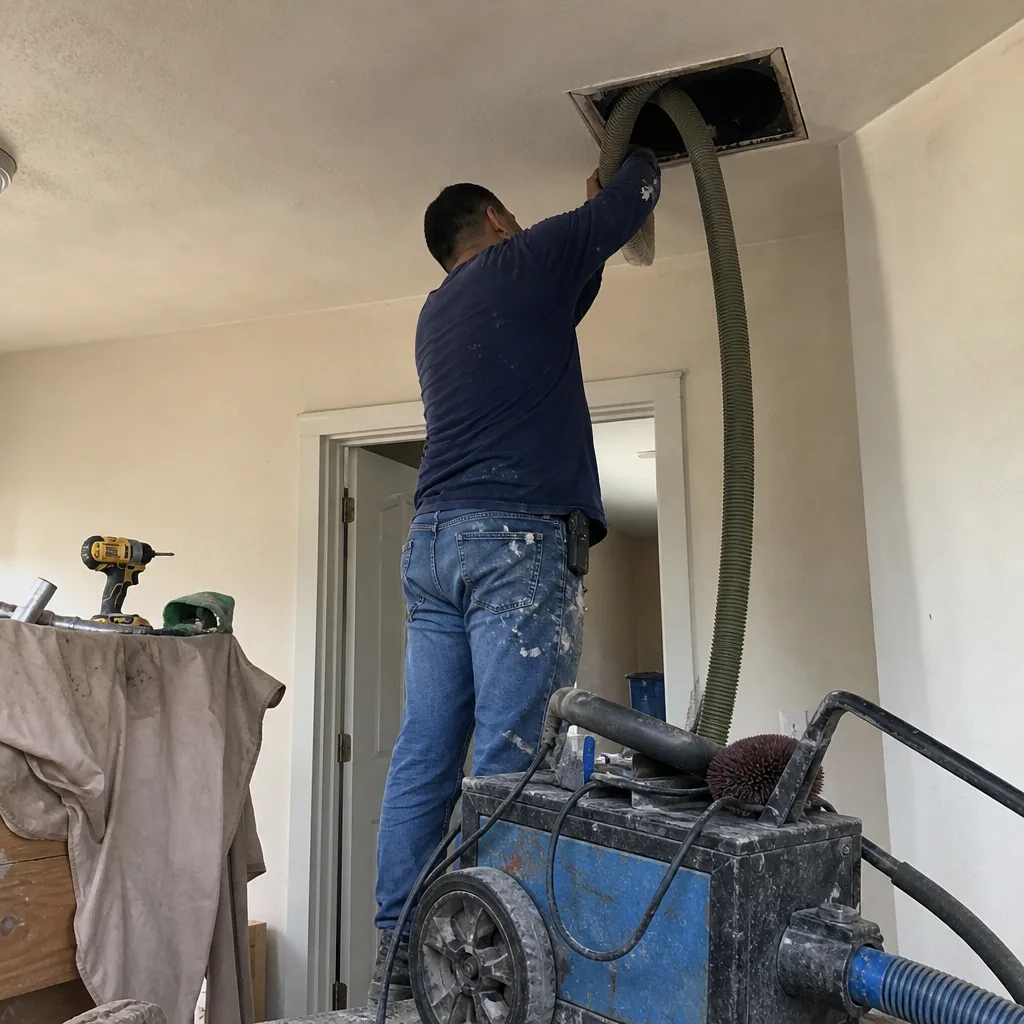 Before
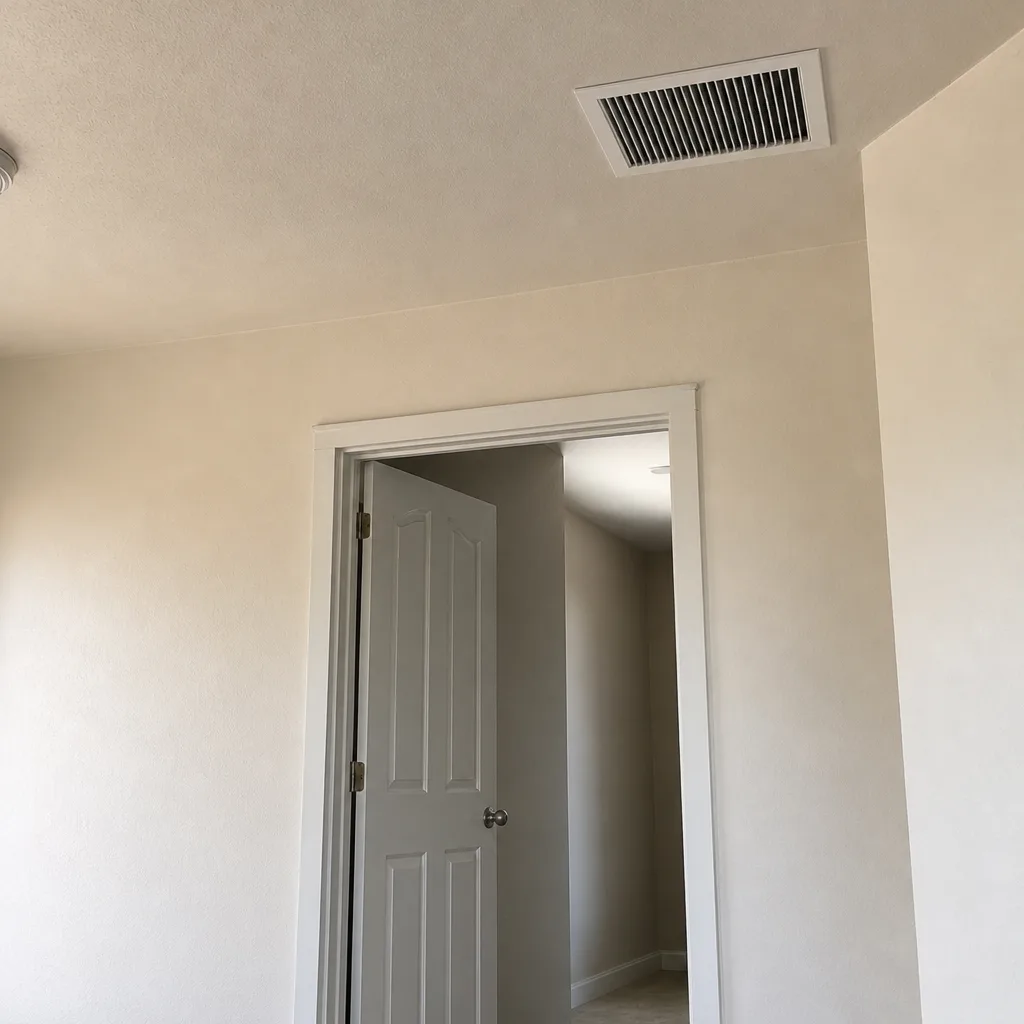 After
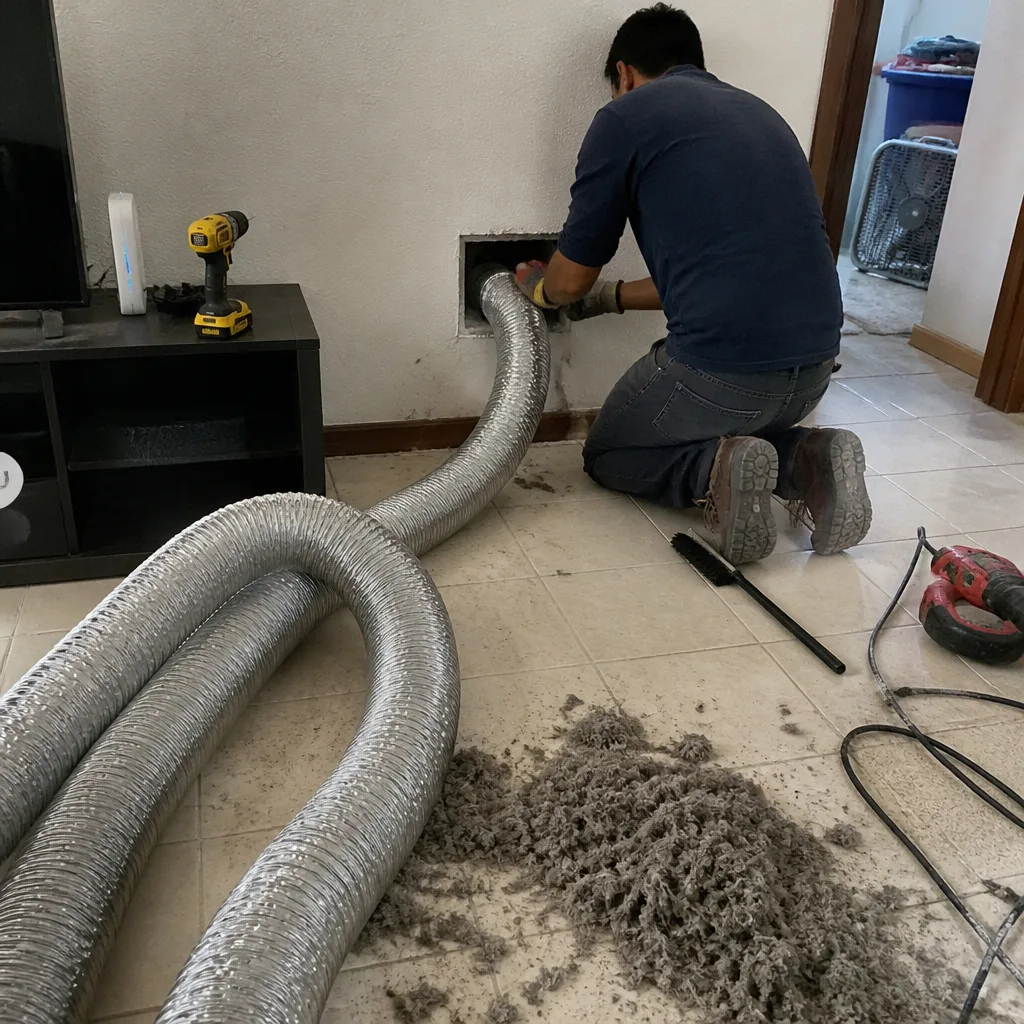 Before
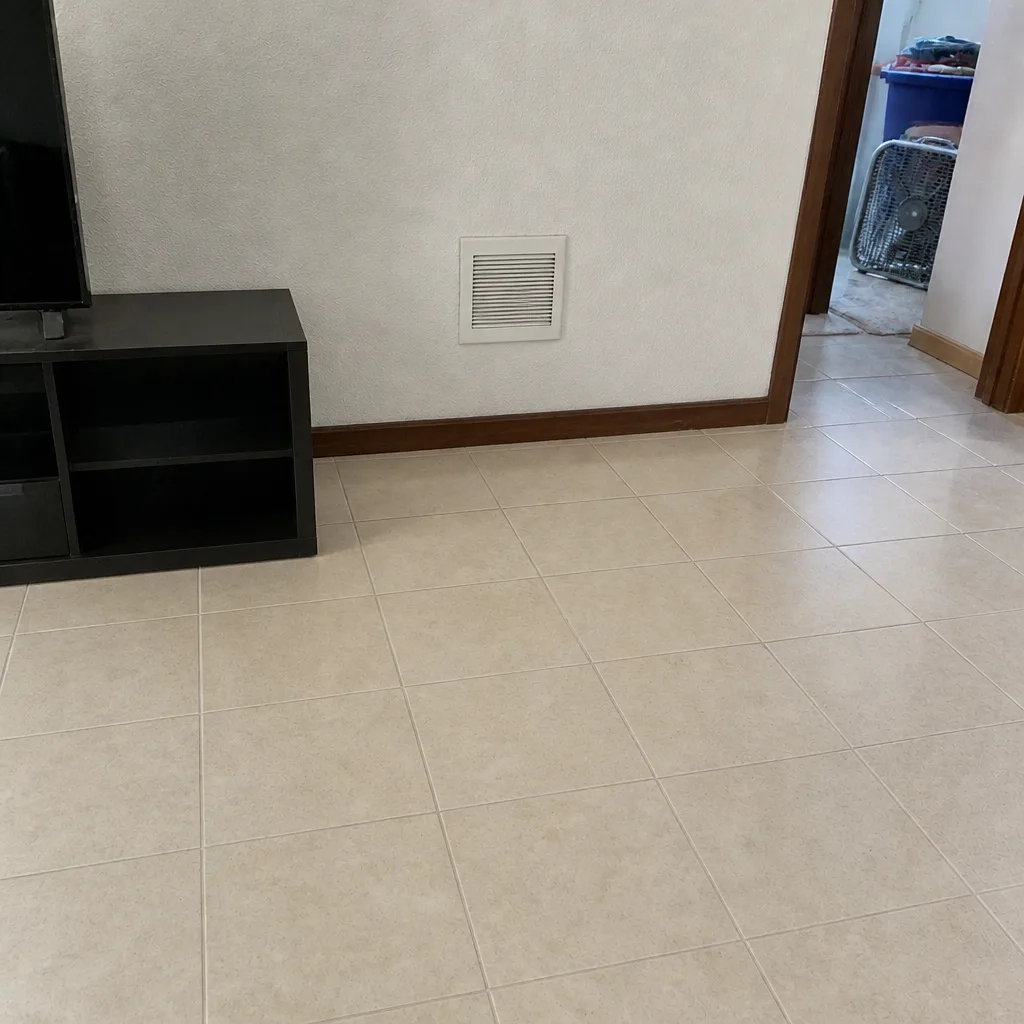 After
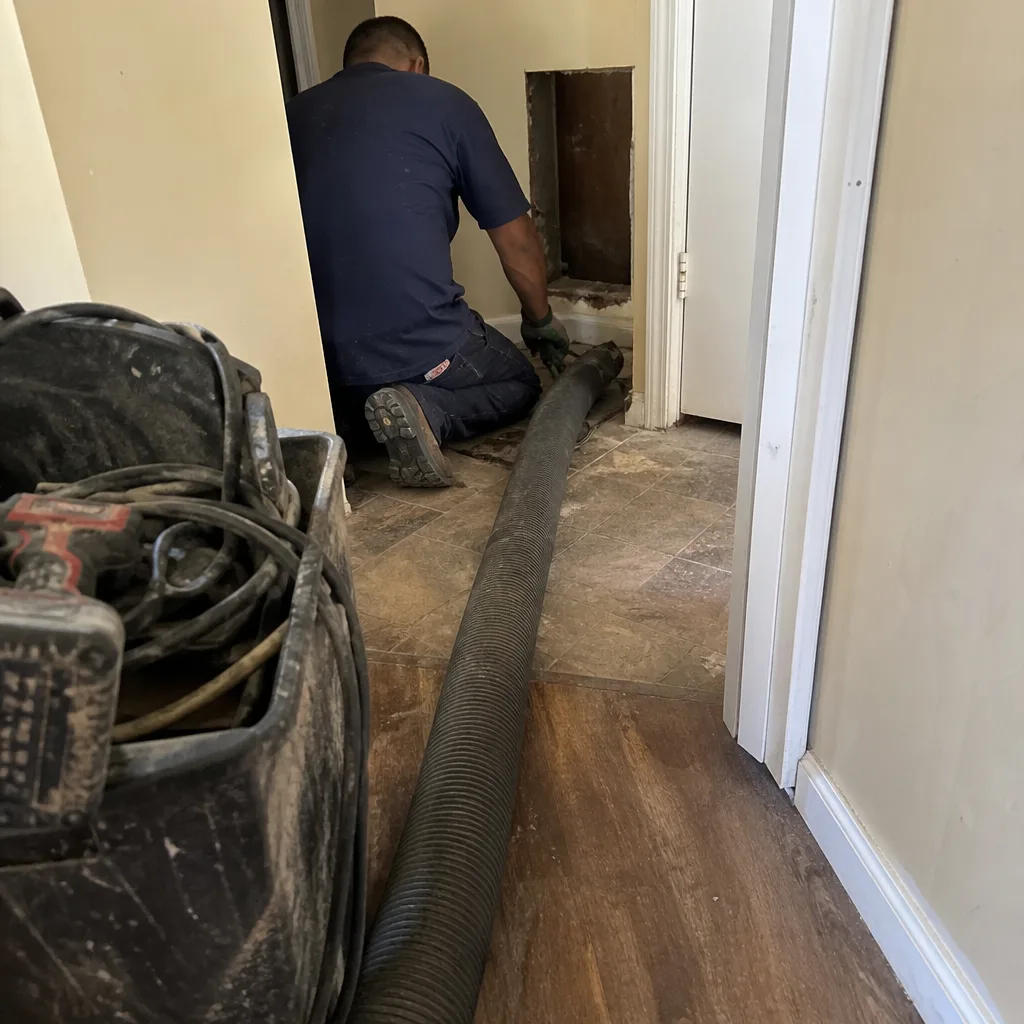 Before
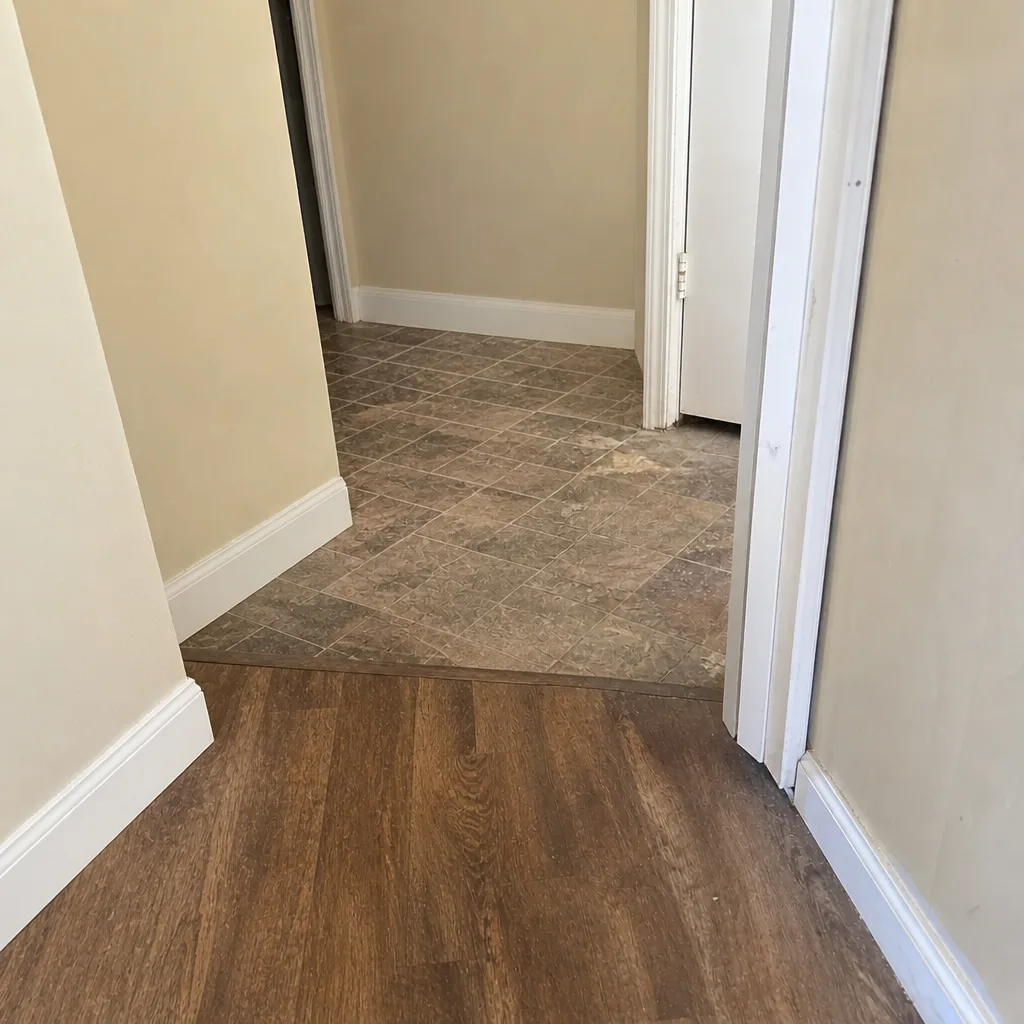 After
When to Call a Professional
Some signs point clearly to a professional visit. Dust that reappears on surfaces within days of cleaning, musty or stale odors when the system kicks on, visible debris around supply registers, allergy symptoms that worsen indoors, or a noticeable jump in energy bills with no other explanation – any one of these is a signal worth investigating. Visible mold growth inside the air handler or on duct board is a stronger signal and should be assessed promptly. Crushed or disconnected duct runs found during a home inspection also belong in this category, and so does a dryer that takes noticeably longer to dry a load than it used to. Duct Cleaning Laredo offers free estimates in Laredo – call (844) 938-0644. We answer 24/7. Fast dispatch from 7am to 7pm, Sunday through Friday.
Frequently Asked Questions
No. Texas does not require a specific license to perform air duct cleaning, so there is no state credential to check. The closest things to a vetting standard are voluntary: NADCA membership, which you can verify on the NADCA website, and verifiable general liability insurance. Call (844) 938-0644 for an exact quote – estimates are free.
Pricing depends on the size of the system, the number of supply and return vents, and whether repair or component cleaning is included. Rather than quote a number before seeing your system, we build a written estimate from the actual vent count and scope. One flat price per system, agreed before work starts, with nothing added mid-job. Call (844) 938-0644 for a free estimate.
Usually because they aren’t quoting the same work. Sub-$99 “whole house” prices typically cover a light surface pass with consumer-grade equipment, then expand once the technician is inside – extra vents, add-on sanitizers, “discovered” damage. A real quote reflects contractor-grade negative pressure equipment, contact cleaning tools, repair capability, and containment. Ask what equipment the low bid includes before you compare prices. Call (844) 938-0644 for a like-for-like quote.
Ask for before-and-after photographs of your own ducts, taken at the access points, and confirm they’re part of the written scope. Visual documentation inside the system is the only way to verify the work from outside it. It’s standard in every job we book. Call (844) 938-0644 to schedule an estimate.
There’s no universal schedule. Homes with pets, recent renovation, visible dust accumulation, or allergy symptoms often benefit sooner, while a well-maintained system with clean filtration can go longer. The right approach is an inspection with a clear scope of what’s actually in the system, then a cleaning based on that – not a subscription. Call (844) 938-0644 for an assessment.
It can often be repaired on the same visit. Crushed flex duct, disconnected runs, and torn insulation are common finds in Laredo attics, and treating air duct repair as a core service means the job doesn’t have to be handed off. If repair is needed, it’s quoted before the work proceeds. Call (844) 938-0644 to talk through your system.
The Bottom Line
The absence of a Texas duct cleaning license means your interview is the licensing board. Verify NADCA membership on the NADCA website. Ask for the CFM rating of the collection unit and listen for whether the answer sounds like a specialist. Request the certificate of insurance, confirm the limit, and ask about workers’ compensation. Insist on a written estimate that itemizes vent counts, access points, components, and how mold or damage would be handled. Skip the sub-$99 whole-house offers; they aren’t quoting the same work. And ask for before-and-after photos of your own ducts. A company that answers all of that without hesitation is a company worth booking. Duct Cleaning Laredo is here when you’re ready to schedule – see how we handle Laredo or call (844) 938-0644 for a free estimate. We answer 24/7. Fast dispatch from 7am to 7pm, Sunday through Friday. Learn more about us at Duct Cleaning Laredo.
Written by the team at Duct Cleaning Laredo.