
Last updated November 15, 2026
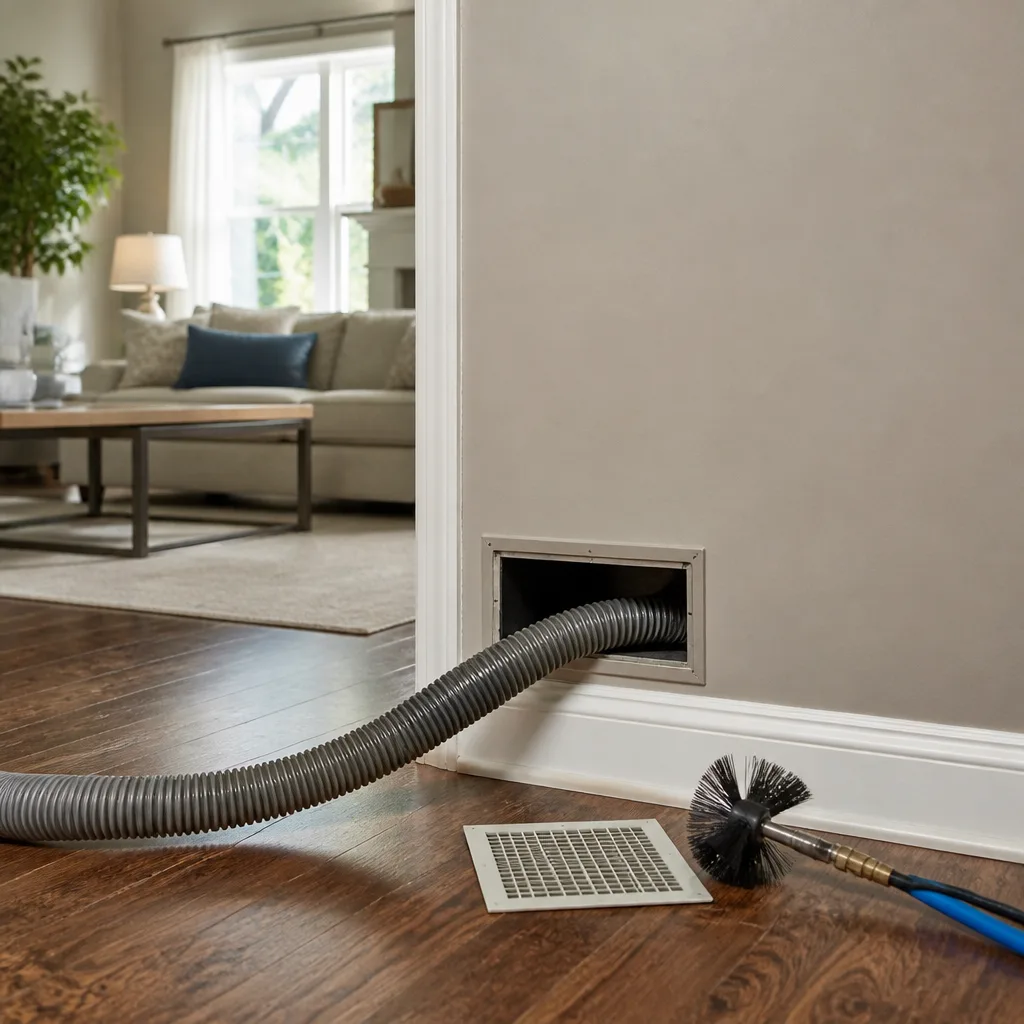 Whole-home duct cleaning
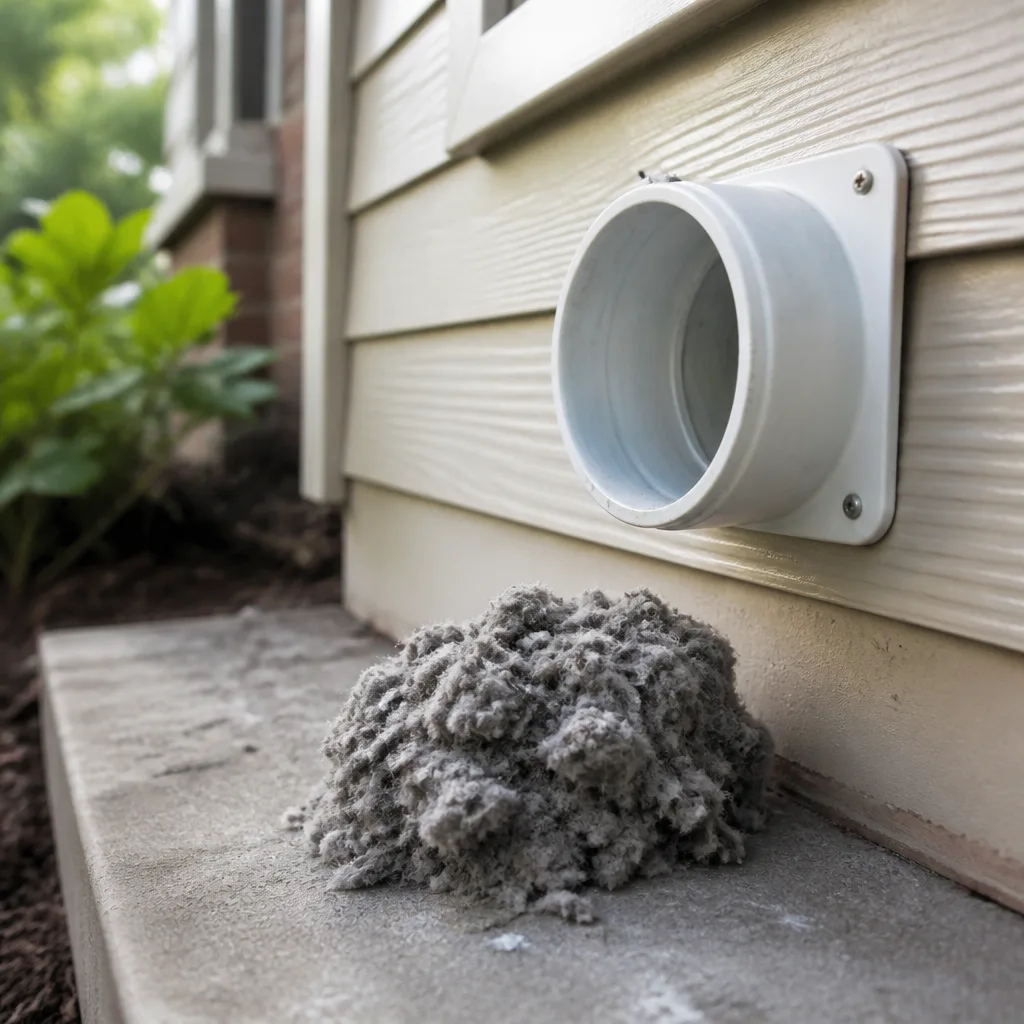 Dryer vent cleaning
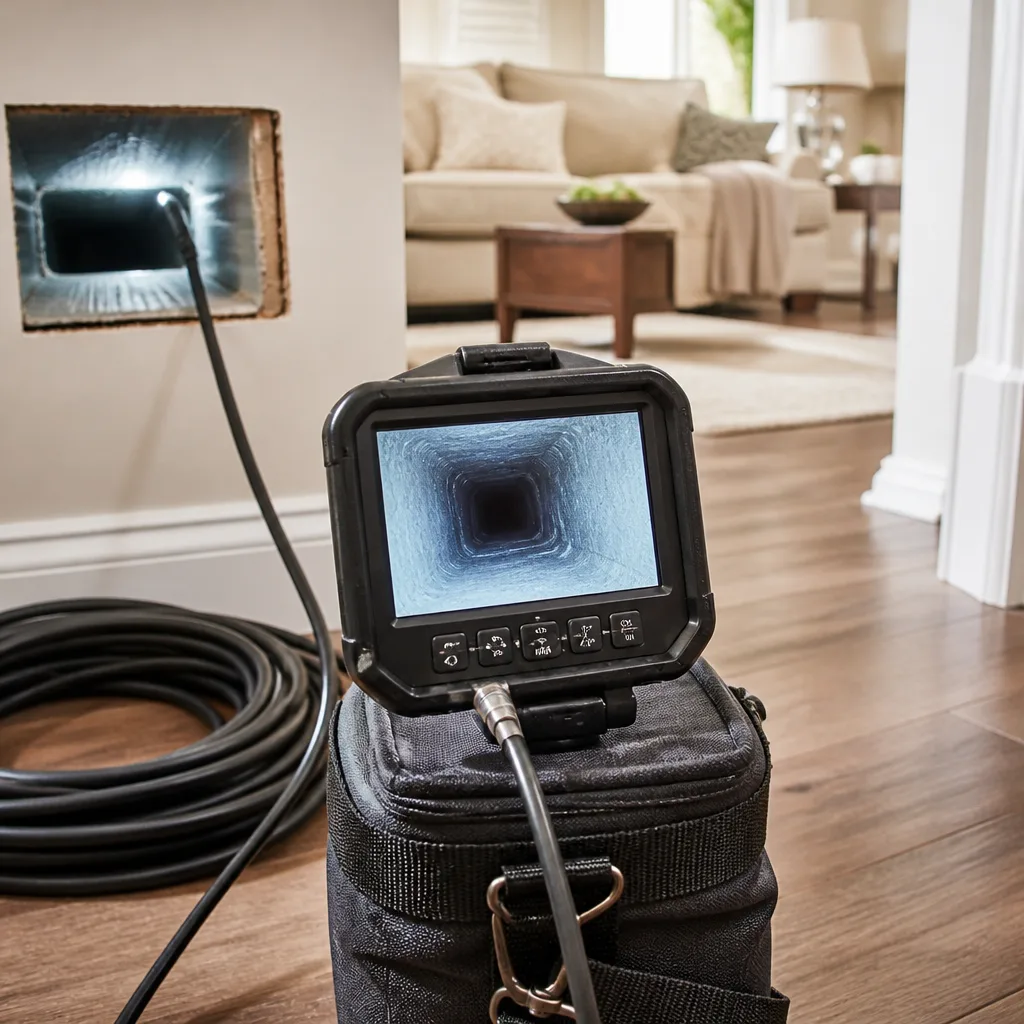 Camera inspection
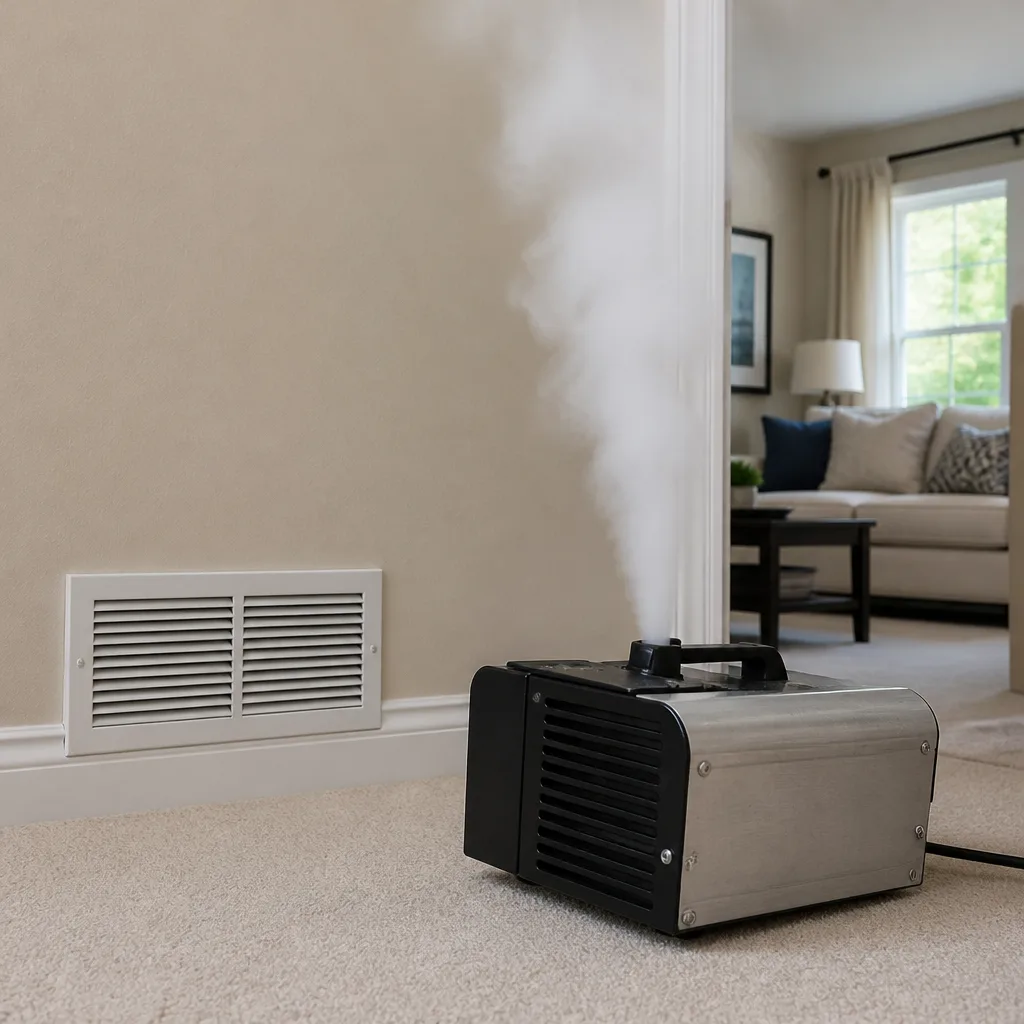 Sanitizing & deodorizing
Whole-system duct and dryer vent check with before-and-after photos - you see exactly what came out of your vents
That "$99 whole-house special" is a bait ad - the real number appears once they are in your hallway, or the "clean" is a shop-vac at the register. We photograph the inside of your ducts before and after instead.
Air Duct Cleaning Permits, Codes & Inspections in Laredo, TX: What You Need to Know
Here’s the part most homeowners miss. Cleaning a duct system and altering one are two different things in the eyes of the code, and only one of them needs a permit. When a technician cuts a new access opening into your ductwork, replaces a run of flex duct, or seals a joint during what was sold as a routine cleaning, that work can fall under mechanical code as a modification. If no permit was pulled, that becomes your problem, not the contractor’s, and it tends to surface at the worst possible moment: a home sale, an insurance claim, or a warranty dispute. This guide walks through the distinction, how the City of Laredo handles mechanical permits, and the exact questions to ask before anyone touches your ducts in Laredo.
Quick Answer
Routine air duct cleaning in Laredo generally does not require a permit because it’s maintenance, not construction. But duct repair, duct replacement, new access panel installation, and significant duct sealing typically do require a mechanical permit through the City of Laredo Development Services Department, and the work should be inspected. Ask any contractor which category your job falls into before they start, and get the answer in writing.
Styles & brands we work with
- Whole-home duct cleaning
- Dryer vent cleaning
- Camera inspection
- Sanitizing & deodorizing
Table of Contents
- Cleaning vs. Alteration: Where the Permit Line Actually Sits
- How the City of Laredo Development Services Department Handles Mechanical Permits
- When Duct Sealing or Replacement Crosses Into Permitted Territory
- What a Mechanical Inspection Actually Checks
- Why Insurance and Home Warranties May Deny Claims Tied to Unpermitted Work
- What to Ask Before Anyone Cuts a New Access Point
- How a Reputable Specialist Handles the Permit Question
- Laredo Climate, Housing Stock, and Why Ducts Age the Way They Do Here
Cleaning vs. Alteration: Where the Permit Line Actually Sits
The clean way to think about it: a permit is for changing the system, not for servicing it. Cleaning removes accumulated dust, debris, and biological growth from inside ducts that already exist. Altering changes the physical system, its configuration, its capacity, or its pathways. Texas follows the International Mechanical Code as the basis for local mechanical regulation, and the code treats the two very differently.
In practical terms, here’s what falls on each side of the line:
- No permit typically needed: Source removal cleaning of supply and return ducts, register and grille cleaning, negative-pressure containment during cleaning, coil cleaning, and blower compartment cleaning.
- Permit typically needed: Adding or relocating a duct run, replacing a section of ductwork with a different material or size, installing a new access panel where none existed, cutting into a trunk line to add a branch, and any work that changes the airflow design of the system.
- Grey area, ask first: Sealing leaks with mastic or aerosol sealant, reconnecting a disconnected duct, and replacing damaged flex duct with the same size and type in the same location. Some jurisdictions treat like-for-like replacement as repair, others as alteration.
This is the exact point where homeowners get surprised. A cleaning job that uncovers a crushed flex run behind a wall or a disconnected duct in the attic can turn into a repair, and a repair with new materials is often permitted work. We’ve seen plenty of jobs in Laredo where a low-cost cleaning quote quietly assumed the contractor would “patch it while we’re in there” with no permit at all.
A legitimate air duct cleaning visit is scoped as cleaning and stops at cleaning unless you agree in writing to something else. That agreement is where the permit conversation belongs.
How the City of Laredo Development Services Department Handles Mechanical Permits
Mechanical permits in Laredo are issued through the City of Laredo Development Services Department, which oversees building permits, plan review, and inspections for the city. Mechanical work on HVAC systems, including duct modifications, falls under their scope. The permit process is straightforward for a licensed contractor and confusing for a homeowner who’s never dealt with it, so here’s what to expect.
- Scope of work is submitted. The contractor describes what’s being changed: new duct runs, replaced sections, access panels, and the materials being used.
- Plan review happens if required. Simple residential duct repairs usually move quickly; larger modifications may need review before the permit is issued.
- A permit is issued and posted. The permit number and the contractor’s information should be visible on-site or provided to you.
- Work is performed and inspected. A city inspector verifies the installation against code and the approved scope.
- The permit is closed out. Final inspection is recorded, and you should receive documentation.
What documentation should you request from any contractor? Ask for the permit number, a copy of the scope of work submitted, and the final inspection record once the work is done. Keep those in the same folder as your HVAC service records. If you’re a property manager handling multiple units in Laredo, keep them per unit.
Two more things worth knowing. First, the homeowner can typically look up permit history for an address, which matters when you’re buying a home and want to verify prior duct or HVAC work. Second, if a contractor tells you duct repair “doesn’t need a permit” without explaining why the job qualifies as repair rather than alteration, that’s your cue to ask a second question.
When Duct Sealing or Replacement Crosses Into Permitted Territory
Sealing is the murkiest area for homeowners, so let’s break it down. Leaky ducts are common in Laredo homes, and sealing them is genuinely one of the better airflow and efficiency improvements available. The question is whether the sealing method changes the system in a way that needs a permit.
Manual mastic sealing at accessible joints, connections, and seams is generally treated as maintenance. It’s a repair of an existing connection. Aerosol-based sealing, where a mist is introduced into the duct system to coat and seal leaks from inside, sits in a different category. The system is altered chemically and physically, the work is more invasive, and some jurisdictions treat it as a mechanical modification. Same with replacement.
- Routine maintenance: Mastic at register boots, sealing plenum connections, taping accessible joints.
- Usually permitted: Replacing a length of duct, changing duct size or material, rerouting a run, or adding a return.
- Ask before it happens: Aerosol sealing, replacement of concealed ductwork, and any change that affects airflow to a room.
Here’s the practical risk. A duct repair that’s done well but without a permit is still an unpermitted alteration on the record. If the home sells and the buyer’s inspector flags newer ductwork in the attic, the seller’s disclosure has to account for it. That’s a real escrow headache in a market like Laredo, where a lot of homes have had duct work redone over the years as systems age.
If your duct system has structural problems, Duct Cleaning Laredo handles repair as a core service rather than handing you off to a second contractor, and we scope the permit question on the front end so you’re never trying to piece together what happened after the fact.
What a Mechanical Inspection Actually Checks
A mechanical inspection is not a cleaning quality check. It’s a code compliance check, and it looks at the parts of your system that a cleaning visit wouldn’t touch. Understanding what the inspector verifies helps you understand why the permit exists in the first place.
- Materials and installation method: Duct material matches what was approved, joints are properly connected, and supports meet code.
- Sealing: Connections at plenums, boots, and transitions are sealed to a code-acceptable standard.
- Clearances: Ducts maintain required clearances from combustibles, and from the flue or other heat sources where applicable.
- Sizing and configuration: The installed system matches the approved scope, including duct sizes where specified.
- Access: Access panels are present and located where they can actually be used.
This is why “we installed new ductwork” without a permit is a risky situation for a homeowner. The installation may be fine, but there’s no independent verification of it, and there’s no record. When you sell or file a claim, the buyer or the insurer is looking for exactly that record.
One thing to clarify: cleaning itself is not inspected, because there’s no permit attached to it. What should accompany a cleaning job is your own documentation: before-and-after photos of your own ducts, the scope of work, and the equipment used. That’s the report that matters for a cleaning visit, and we supply before-and-after photos with every job.
Why Insurance and Home Warranties May Deny Claims Tied to Unpermitted Work
Insurance policies generally cover sudden and accidental damage. They tend to exclude or deny claims tied to work that wasn’t permitted or inspected, because the loss traces back to a known code compliance issue. That’s the phrase to remember: unpermitted work becomes a coverage question.
Home warranties have their own version of this. A warranty provider can decline a claim if the equipment was modified without permit or if a prior installation doesn’t meet code. Picture a water damage claim where the cause traces to a duct or plenum connection that was replaced without a permit two owners ago. The insurer investigates, sees the unpermitted work, and you’re arguing about coverage while the damage sits there.
- Fire claims: Duct or dryer vent work that was never permitted or inspected draws extra scrutiny when the cause of loss is investigated.
- Water damage: Condensate and plenum connections that were modified without permit can complicate a claim.
- Warranty denials: Providers may decline claims if modifications don’t meet code or weren’t documented.
- Home sale surprises: An inspector’s finding of newer unpermitted ductwork becomes a negotiating item and can delay closing.
The fix is administration, not panic. If you have prior duct work with no permit on record, the options are to disclose it, to have a licensed contractor review and document it, or to permit and inspect the work retroactively where the city allows. Talk to the Development Services Department about what’s available for your address. And on any new job, ask for the permit paperwork up front. A contractor who flinches at that request is telling you something.
What to Ask Before Anyone Cuts a New Access Point
An access point is a hole cut into your ductwork to allow cleaning and inspection. In many homes the existing registers and grilles give enough access, and no new cuts are needed. When a contractor proposes new access panels, or when a cleaning reveals a repair, this is the checklist.
- “Which part of this job is cleaning and which part is alteration?” Get the answer spelled out in writing.
- “Will this work require a mechanical permit?” If the answer is “no,” ask them to explain why the job qualifies as repair or maintenance under code.
- “Who pulls the permit?” The contractor should pull it, not you.
- “Will there be an inspection, and will I get the final record?” The answer should be yes.
- “What equipment are you using?” Professional contact cleaning with a system like Rotobrush and HEPA vacuum collection should be the standard, not a shop vac and a hose.
- “Can I see before-and-after photos of my own ducts?” Every job should include this documentation.
- “What happens if you find a duct problem mid-job?” The answer should be: work stops, we scope it, we quote it in writing, and we decide together whether a permit applies.
Ask these questions in Laredo specifically. That’s a market where a lot of homes have had HVAC systems replaced or duct runs reworked over the years, and it pays to know what’s permitted and what isn’t before you add to the pile.
How a Reputable Specialist Handles the Permit Question Transparently
A reputable duct specialist draws the cleaning-versus-alteration line out loud, before the job, and doesn’t wait for the homeowner to ask. That’s the tell. Here’s how the conversation should go when it’s handled well.
First, the scope of work is defined in writing. Cleaning is cleaning: source removal through the supply and return, registers, grilles, and coils. If that scope uncovers a structural problem, such as a disconnected duct, a crushed flex run, or a boot separated from the subfloor, the work stops and gets scoped as a repair. At that point the permit question gets answered for the specific job, and the written estimate reflects the work that’s actually being done.
The part that matters for a permit question is this: we treat cleaning and repair as separate decisions. Cleaning doesn’t come with a permit conversation because there’s nothing to permit. Repair does, and we’ll tell you plainly whether the work is a like-for-like repair or a modification, and whether that means a trip through Development Services. Our technicians have up to 11 years of experience with duct systems, and the answer they give you on this is the same answer you’d get from the city.
Second, documentation is standard, not an add-on. Before-and-after photos of your own ducts. The equipment clearly identified, whether that’s Rotobrush contact cleaning, Nikro HEPA vacuum collection, or Abatement Technologies air filtration for containment. Honeywell or Aprilaire air quality products, when relevant, are noted on the estimate as an optional item you can decline.
Third, the estimate is a promise. One flat price per system, agreed before work starts, with no per-vent pricing and no mid-job surprises. That standard exists precisely because this industry has earned a reputation for the low teaser price that becomes a large invoice. The permit question is the same principle: everything scoped up front, everything documented, everything in writing.
Laredo Climate, Housing Stock, and Why Ducts Age the Way They Do Here
Duct systems in Laredo work hard. The climate is hot and long, with cooling load running for a much larger slice of the year than in most of Texas, and that means ductwork and equipment operate under sustained demand. When a system runs most of the year, small duct leaks add up, flex duct fatigue happens faster, and the tolerance for a poorly connected run is lower.
Housing stock matters too. Laredo has a wide range of home ages and construction types, and the duct systems in them reflect it. Some homes have flex duct in attic spaces where summer attic temperatures are severe. Others have older rigid duct systems that have been patched over the years. Neighborhoods across the city, from established areas near downtown to newer subdivisions on the outer edges, each have a different mix of duct configurations. The one constant is that a lot of duct work in Laredo has been modified at least once without documentation.
That’s the practical reason this guide matters here. If you’re buying a home in Laredo, ask for the permit history. If you’re selling, pull it before the buyer’s inspector does. And if you’re having ducts cleaned, use the visit to get the physical condition of your system documented, so you know what’s original, what’s been repaired, and what deserves a permit before anyone cuts into it.
Dryer vents deserve their own mention here, because the safety stakes are higher. A clogged dryer vent is a documented fire risk, and the vent runs in Laredo homes often pass through exactly the same hot attic or wall cavities as your ductwork. Cleaning a dryer vent is maintenance and doesn’t need a permit. Replacing or rerouting the vent run is a different job, and that one can require permitting. If you’re scheduling dryer vent cleaning, ask the technician to inspect the full run while they’re in there.
Common Mistakes to Avoid
- Assuming “duct cleaning” covers everything. If the job turns into a duct repair mid-visit, it’s a different job with a different permit answer. Confirm the scope in writing before anyone starts.
- Accepting “you don’t need a permit for that” without asking why. A contractor should be able to explain whether the work is repair or alteration under mechanical code. If they can’t, ask for it in writing.
- Skipping the permit history when buying a Laredo home. Newer ductwork in an attic is an easy thing for a buyer’s inspector to spot, and an unpermitted modification becomes a negotiation item at closing.
- Letting a cleaning contractor “patch” damaged ducts as a courtesy. Courtesy repairs with no documentation, no scope, and no permit are the exact scenario that complicates a future insurance claim or warranty request.
- Not requesting before-and-after photos of your own ducts. Documentation is your proof the work happened and how it was done, and it’s the record that matters when it’s just cleaning and no permit applies.
- Confusing a low cleaning quote with a complete scope. A teaser price that assumes a shop vac and a hose isn’t the same job as contact cleaning with professional equipment and HEPA collection, and the missing scope can hide repairs.
- Forgetting the dryer vent in the permit discussion. Cleaning it is routine maintenance. Rerouting or replacing the vent run can require permitting, and that distinction is worth asking about before work starts.
See the difference
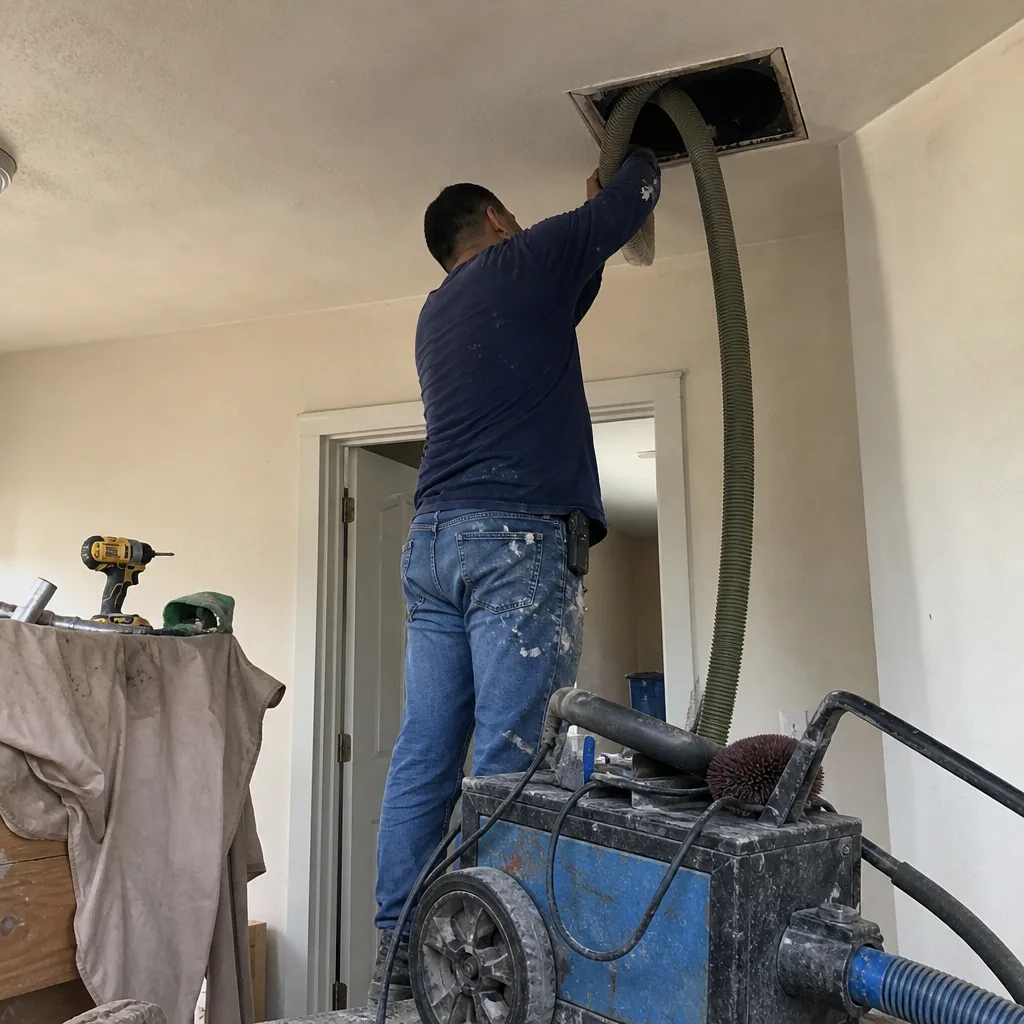 Before
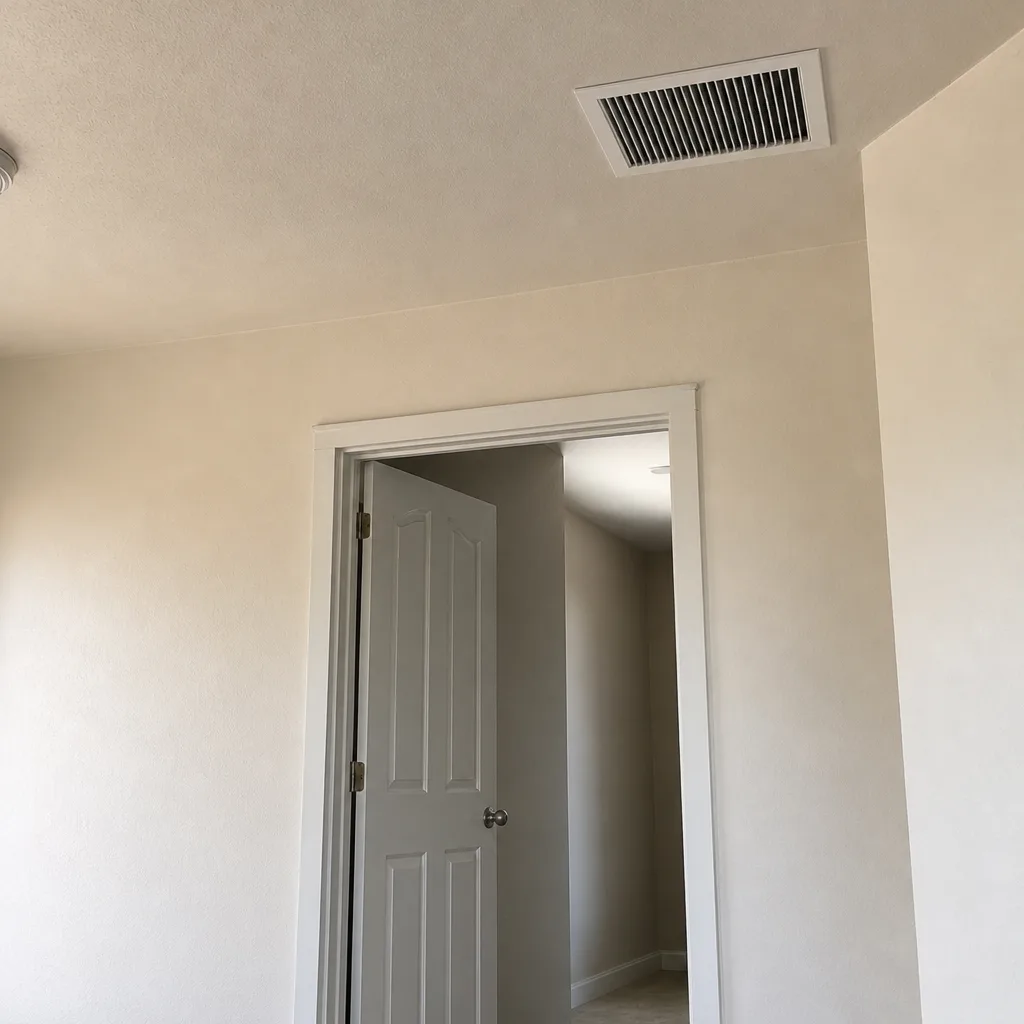 After
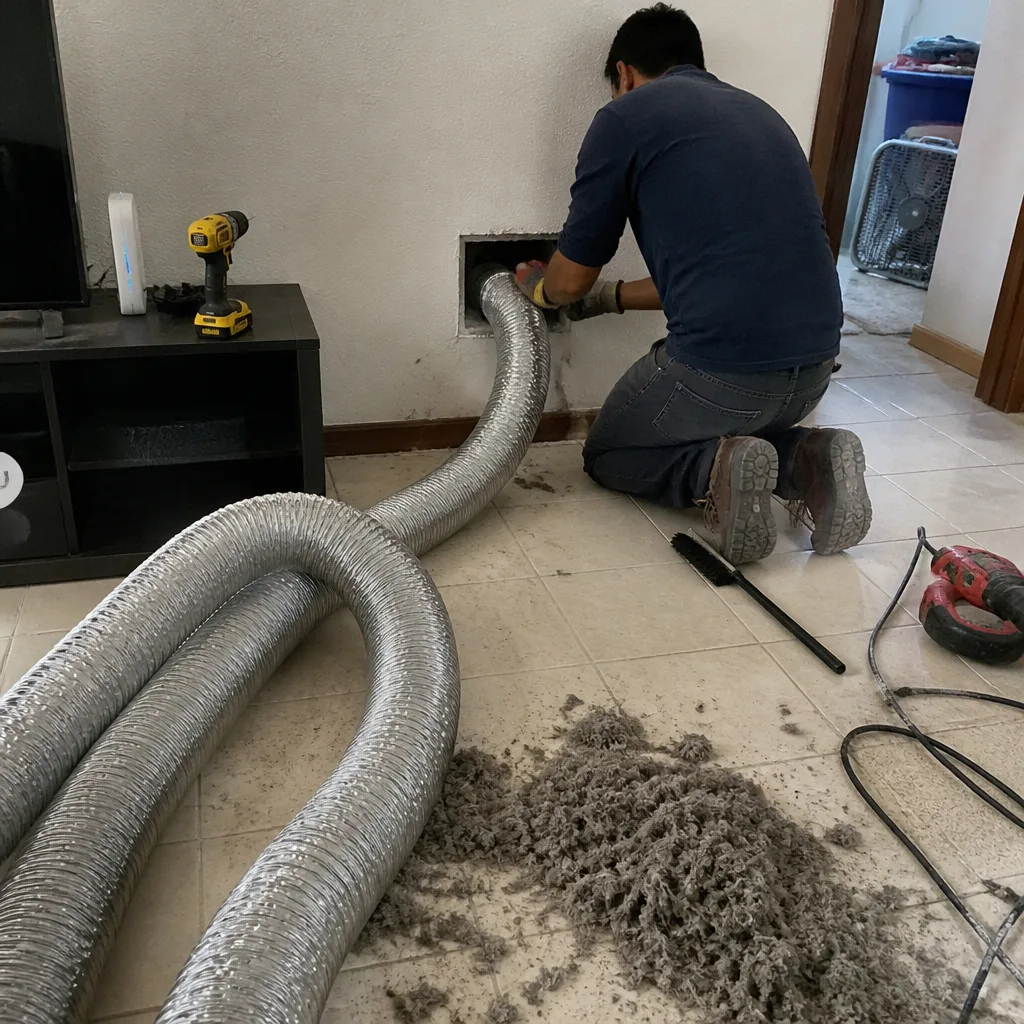 Before
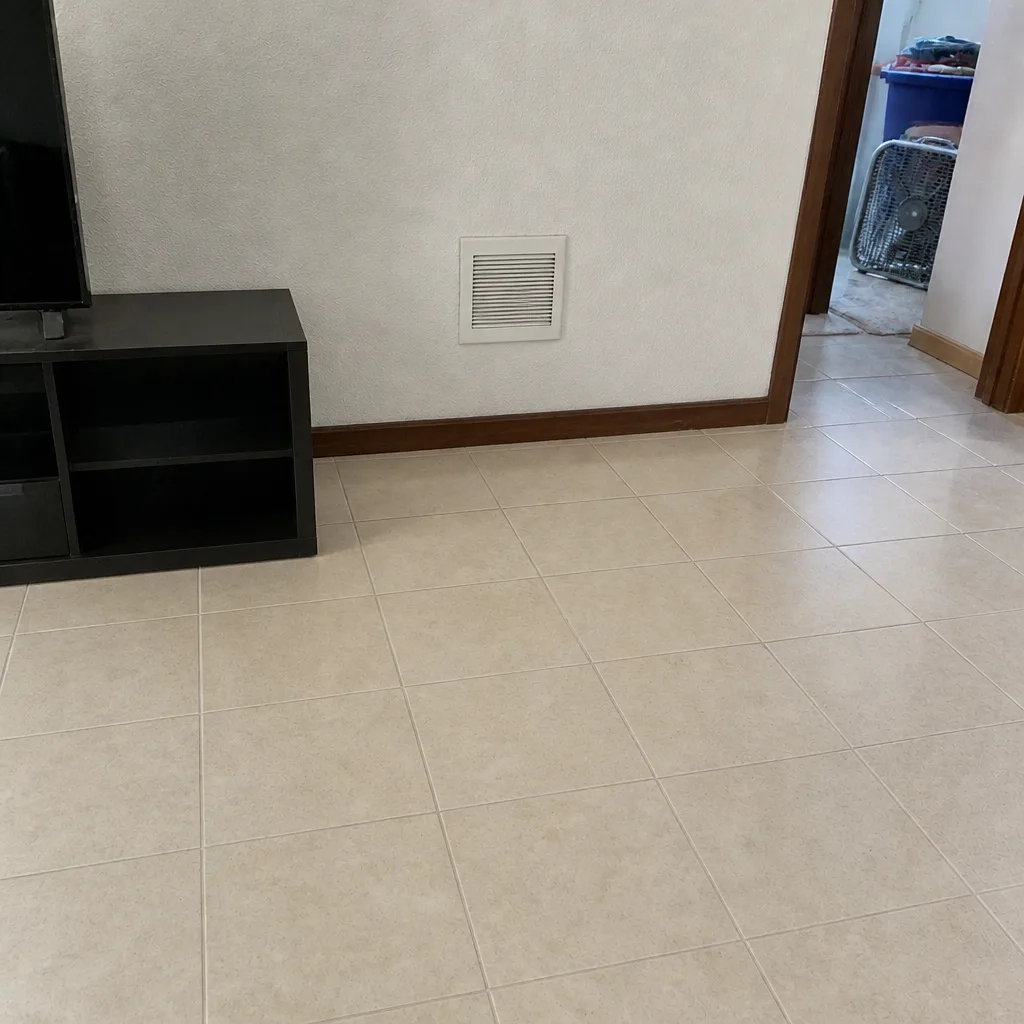 After
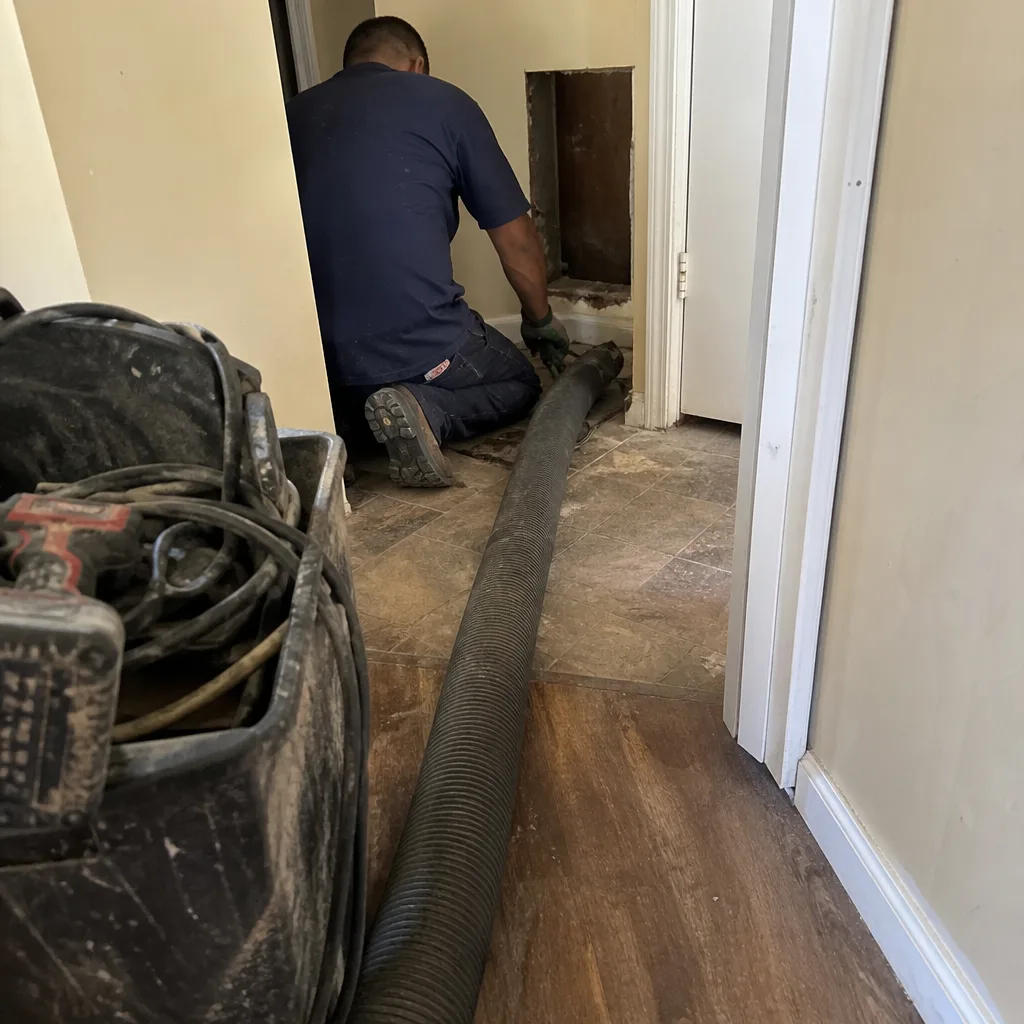 Before
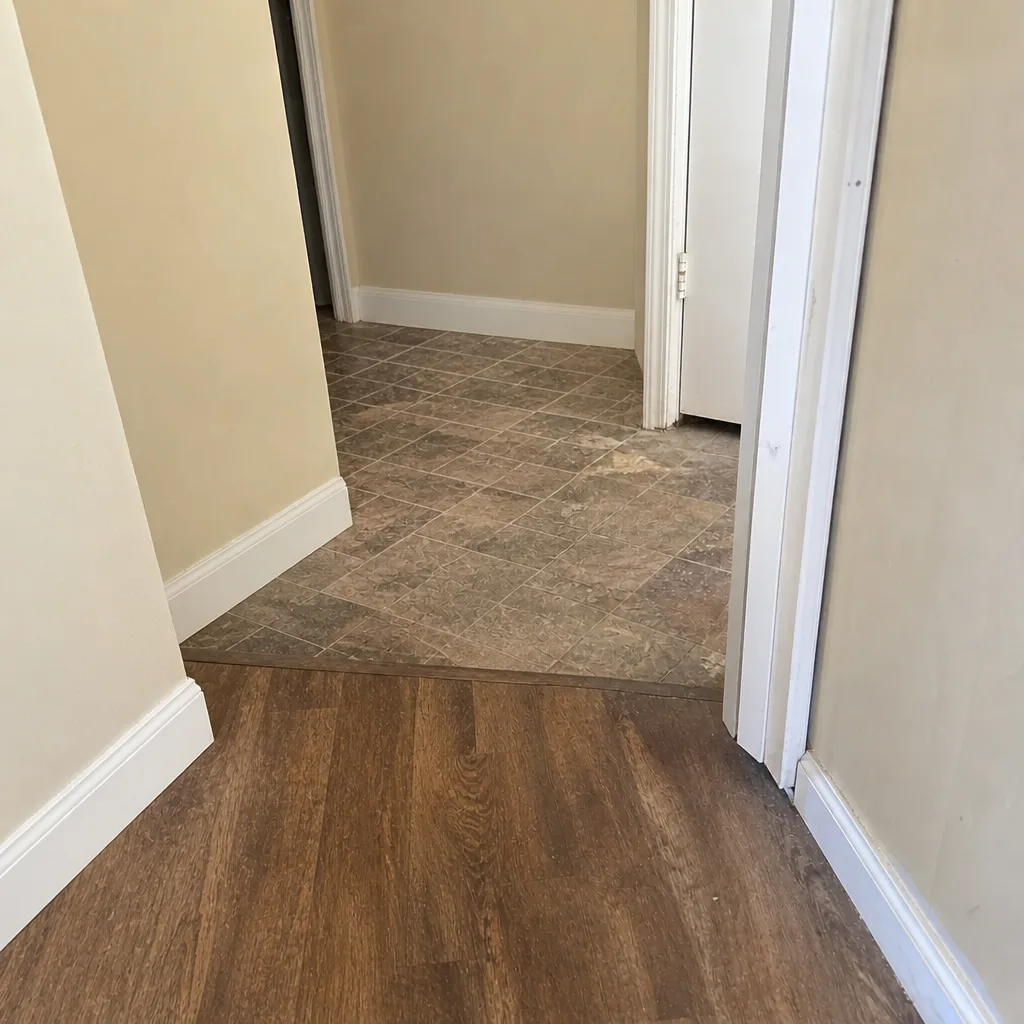 After
When to Call a Professional
Call a professional when a duct problem goes beyond dust. A crushed or disconnected duct run, a boot separated from the subfloor, visible mold growth inside a duct, musty odors that return after cleaning, or airflow that’s clearly uneven from room to room all point to structural duct issues, not just accumulated dust. Call when you’re buying or selling a Laredo home and need the duct work documented. Call when a prior repair’s permit status is unclear. And call when you want the full system inspected and cleaned by someone using professional equipment, so you know exactly what condition the ducts are in before you decide on any repair.
Duct Cleaning Laredo offers free estimates in Laredo. Call (844) 938-0644. We answer 24/7. Fast dispatch from 7am to 7pm, Sunday through Friday.
Frequently Asked Questions
No, routine air duct cleaning in Laredo generally does not require a permit because it’s classified as maintenance rather than construction. Permits enter the picture when the job involves duct repair, duct replacement, new access panels, or modifications that change the system’s configuration. If a contractor tells you a duct modification doesn’t need a permit, ask them to explain in writing why the work qualifies as repair under mechanical code. Call (844) 938-0644 for an exact quote on cleaning and a clear scope.
The City of Laredo Development Services Department issues mechanical permits and handles plan review and inspections for HVAC-related work in the city. The contractor performing the work should pull the permit, and you should receive the permit number and the final inspection record. If you’re unsure whether prior duct work at an address was permitted, the Development Services Department is the place to check.
It can. Insurers may deny or complicate a claim when the loss traces back to work that wasn’t permitted or inspected, because that’s a known code compliance issue. Home warranty providers can decline claims for the same reason. The fix is documentation: keep permit records with your HVAC service history, and if prior work is unpermitted, talk to the city about options for review or retroactive permitting.
A specialist can, and it’s often the more efficient path than handing you off to a second contractor. But the repair should be scoped and quoted separately from the cleaning, and the permit question should be answered for that repair before work starts. Work should stop at the point a structural problem is found, so you’re making an informed decision rather than discovering a larger invoice after the fact. Call (844) 938-0644 for a free estimate that spells out both scopes.
Professional contact cleaning equipment and HEPA vacuum collection, not consumer-grade tools. Rotobrush contact cleaning systems agitate and remove debris from duct surfaces, while Nikro HEPA vacuums capture what’s dislodged under negative pressure, and Abatement Technologies air filtration equipment provides containment. Ask what equipment is being used on your job specifically. If the answer is a shop vac and a hose, that’s not the same scope.
Most homes don’t need annual cleaning. A reasonable baseline is every few years, and sooner if you’ve had renovation work, noticed visible dust buildup at registers, dealt with water intrusion into the system, or if anyone in the household has allergy symptoms that track with time indoors. In Laredo, where cooling runs most of the year, systems work harder and dust accumulates faster than in milder climates. Call (844) 938-0644 for a free assessment of whether your ducts actually need cleaning.
The Bottom Line
Cleaning your ducts is maintenance and doesn’t need a permit. Repairing, replacing, or modifying them is a different category, and that work usually does require a mechanical permit through the City of Laredo Development Services Department. The permit is not bureaucratic friction. It’s the record that protects you at a home sale, at an insurance claim, and at a warranty dispute, and unpermitted duct work quietly becomes your liability the moment the previous contractor drives away. Ask the cleaning-versus-alteration question before anyone cuts a new access panel. Ask for the permit number and the inspection record when repair is involved. And ask for before-and-after photos of your own ducts no matter what. That’s the standard a specialist should hold to in Laredo, and it’s a reasonable thing to expect from anyone who touches your system.
Call (844) 938-0644 for a free estimate on air duct cleaning and a transparent conversation about what your system actually needs. We answer 24/7. Fast dispatch from 7am to 7pm, Sunday through Friday. We’re closed Saturday.
Written by the team at Duct Cleaning Laredo.