
Last updated November 15, 2026
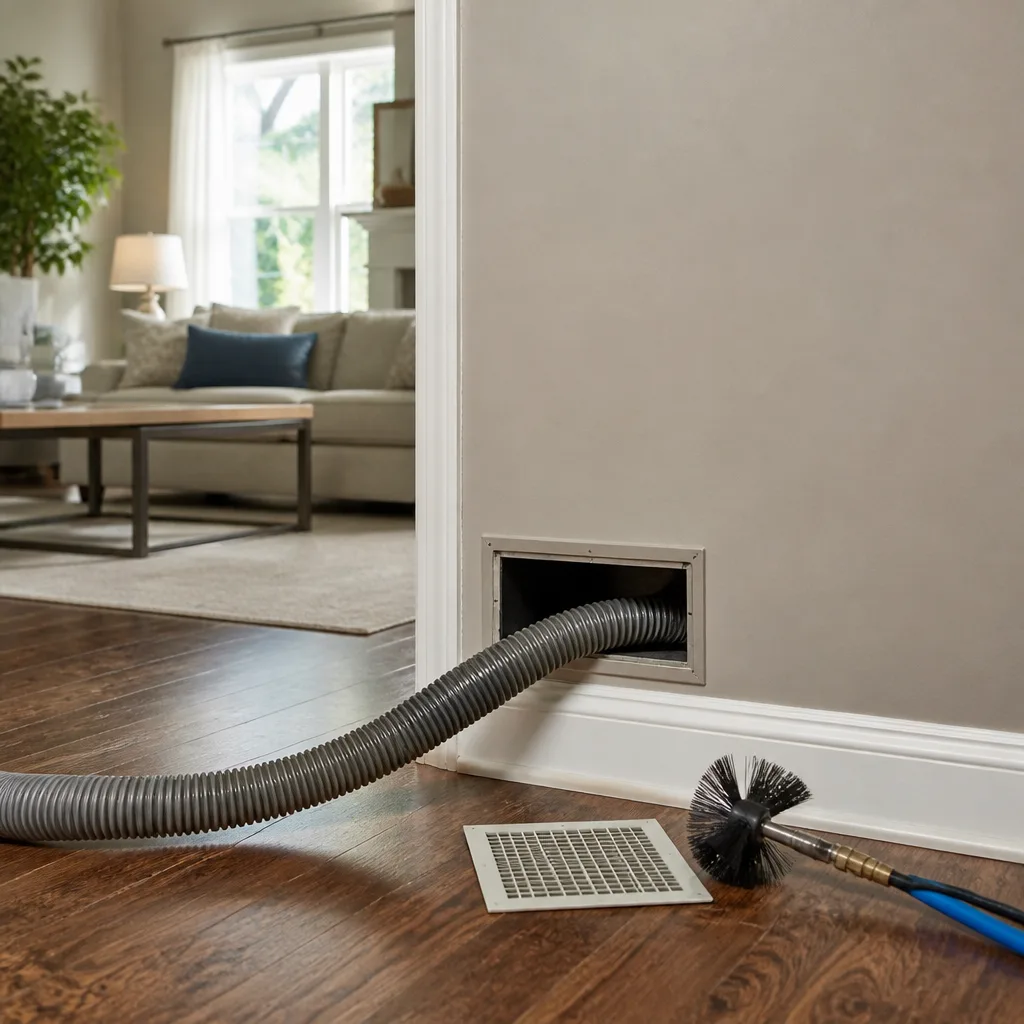 Whole-home duct cleaning
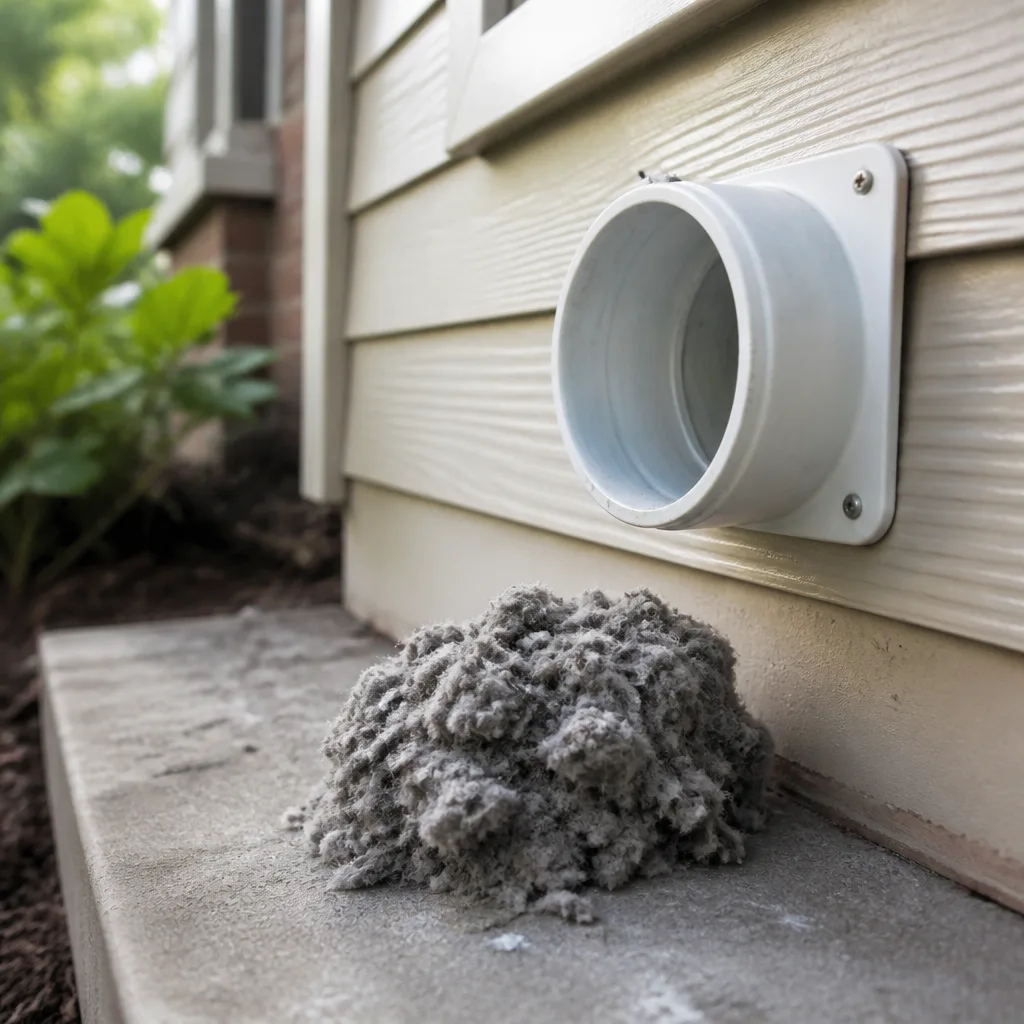 Dryer vent cleaning
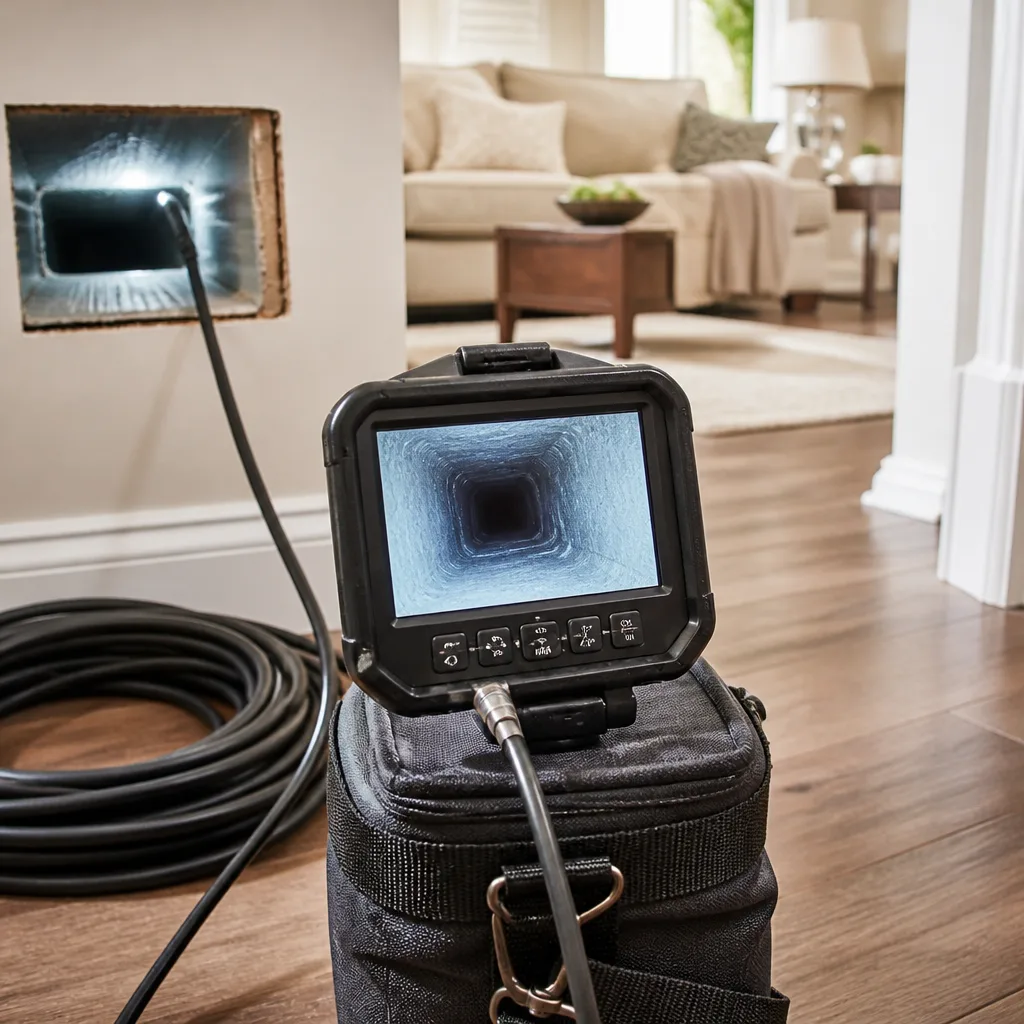 Camera inspection
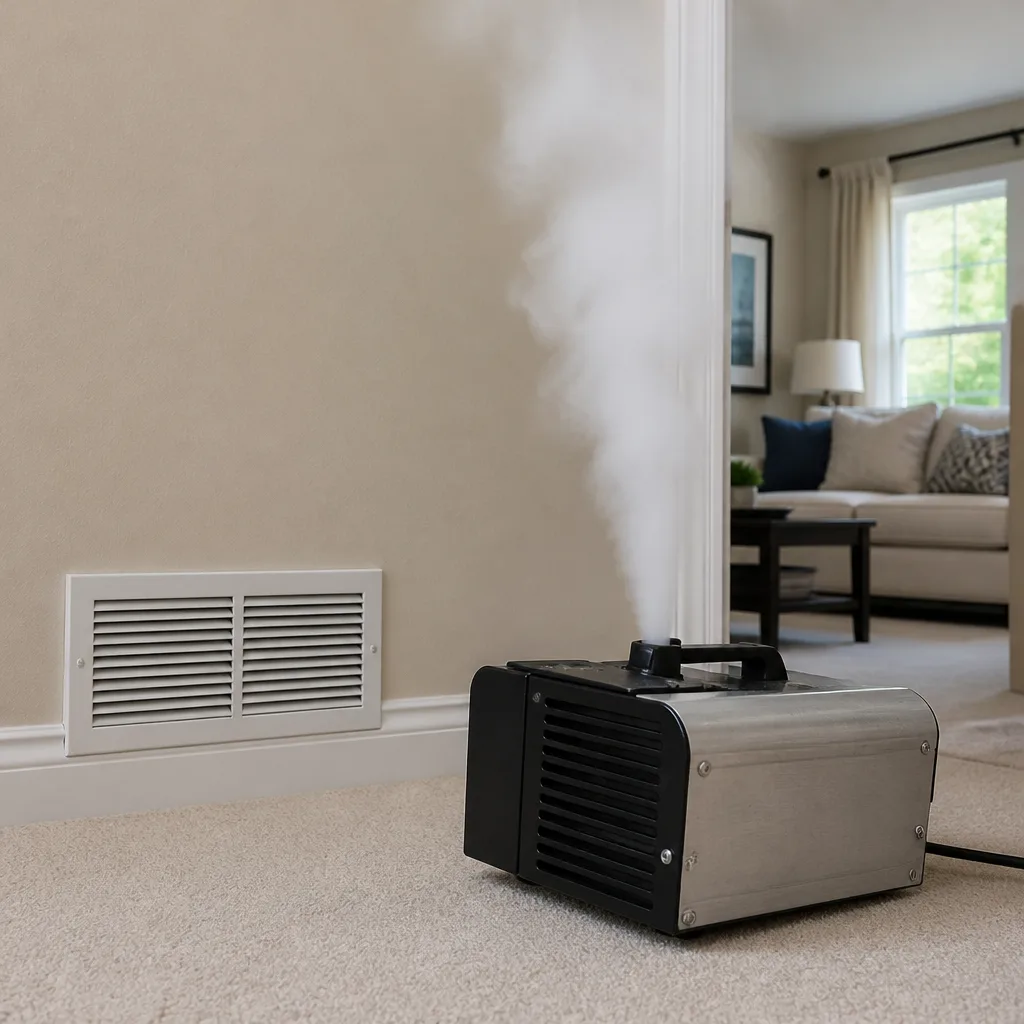 Sanitizing & deodorizing
Whole-system duct and dryer vent check with before-and-after photos - you see exactly what came out of your vents
That "$99 whole-house special" is a bait ad - the real number appears once they are in your hallway, or the "clean" is a shop-vac at the register. We photograph the inside of your ducts before and after instead.
Air Duct Cleaning Warning Signs: A Laredo Homeowner’s Reference Guide
Visible dust puffing out of a supply register doesn’t necessarily mean your ducts are dirty. In our experience, that one symptom can come from three very different problems: a filter that has slipped and is now bypassing at the frame, duct board inside the plenum that’s breaking down and shedding fibers, or a return-side leak pulling attic air straight into the system. Each one looks similar from the living room floor. Each one needs a different fix. This guide connects what you’re seeing, smelling, and paying for to the mechanical cause underneath it, so when you call someone in Laredo you can describe the problem in terms they can actually act on. No scare tactics, no upselling.
Quick Answer
The main warning signs that your air ducts need attention are dust being actively blown from supply registers (rather than settling on them), musty or stale odors that return after cleaning, rooms that stay warm or cold no matter the thermostat setting, a utility bill that has climbed without a rate change, and visible or suspected disconnection in the attic runs. Genuine duct contamination is less common than the industry implies, but when it’s there, the symptoms are specific and traceable. This guide shows you how to trace them.
Styles & brands we work with
- Whole-home duct cleaning
- Dryer vent cleaning
- Camera inspection
- Sanitizing & deodorizing
Table of Contents
- Dust on the Register vs. Dust in the Airstream
- What Musty Odors From Vents Actually Mean
- Uneven Room Temperatures: Why Attic Ducts Are Usually the Culprit
- Reading Your Utility Bill as an Airflow Diagnostic
- Dryer Vent Blockage: A Separate System With Its Own Signs
- What a Real Inspection Looks Like (And What It Doesn’t)
- Common Mistakes to Avoid
- When to Call a Professional
Before we get into symptom-by-symptom diagnosis, it helps to know what we actually do. Duct Cleaning Laredo is a duct and ventilation specialist. Cleaning, dryer vent safety, and duct repair are the whole scope, which means when we open up a system and find a disconnected trunk line or degraded liner, we can fix it on the same job instead of handing you to another contractor. That matters in Laredo because attic duct problems are not rare here; they’re routine.
Dust on the Register vs. Dust in the Airstream
Dust settling on the grille of a return register is normal. It’s dust that was already airborne in the room getting pulled into the return and clinging to the outer surface. It tells you almost nothing about the interior of your ducts. Dust being blown out of a supply register is different, and the way to tell the two apart is simple. Wipe a supply grille completely clean with a damp cloth, then run the system for a day and check again. If the grille is dusty again the next morning, the dust is coming from the airstream. If it stays mostly clean for days or weeks, you’re looking at ambient room dust, and your ducts are probably not the source.
When dust IS coming from the airstream, the cause usually falls into one of four buckets:
- Filter bypass. The filter is undersized for its slot, bent, or sitting loosely, so air goes around the media instead of through it. The filter stays clean-looking while the blower and coil collect everything.
- Duct board degradation. Interior duct board liners break down over time, especially in a hot attic, and shed fibers into the airstream. This looks like whitish or greyish lint.
- Return-side leak. A gap or disconnected joint on the return path pulls unfiltered attic air (and insulation particles) into the system downstream of the filter.
- Genuine accumulation. Actual settled debris in the ducts that has built up enough to be re-entrained. This is real, but less common than the industry suggests.
In Laredo, the attic heat accelerates duct board breakdown, and the sandy dust that finds its way into open attic spaces makes return-side leaks more visible than they would be in a milder climate. If you’re seeing fine grit or sandy particles on supply grilles, that’s a strong signal to look at the return path rather than just the ducts themselves. Our air duct cleaning work starts with an inspection of the whole system, filter frame included, precisely because cleaning without finding the leak wastes your money.
How to check the filter frame yourself
- Turn the system off at the thermostat.
- Pull the filter and look at the edges of the slot. Any light gap around the filter is bypass.
- Hold the filter up to a light. If it’s uniformly grey on the upstream side, it’s doing its job. If it’s still clean while the coil behind it is dirty (visible through the access panel), it’s bypassing.
- Check the filter’s MERV rating against your system’s spec. A filter that’s too restrictive forces air around the frame, so “I upgraded to a high-MERV filter” can actually make dust worse.
What Musty Odors From Vents Actually Mean
A musty smell from your vents is a clue, not a diagnosis. It can come from three very different places, and each one points to a different fix. If the smell is strongest near one vent and not others, it’s usually localized. If it fills a room when the system kicks on, it’s usually in the air handler. In Laredo’s humid late-spring and summer months, the air handler and the drain pan run wet for weeks at a time, which makes them the first place we’d look.
Here’s how to tell the three apart:
- Drain pan issue. The condensate pan under the coil has standing water or a slime layer. Odor is damp and stagnant, strongest right at the air handler closet or plenum. This is an HVAC service issue, not a duct cleaning one. A pan that stays wet will keep smelling even after the ducts are cleaned.
- Duct liner degradation. The fiberglass or foil liner inside the ducts has absorbed moisture or come loose and is peeling. Odor is earthy and gets stronger as airflow increases. You may also see fibrous debris at the registers.
- Actual microbial contamination. Visible growth inside the plenum or on the coil face. This is the genuine case for professional cleaning and, in some cases, remediation-grade filtration. Abatement Technologies air filtration equipment is the category of gear used in professional remediation work, and it’s what we use for this level of contamination because consumer-grade vacuums spread spores rather than capture them.
The honest answer for most musty-vent calls in Laredo is that the ducts are innocent and the drain pan is guilty. We’d rather tell you that than sell you a cleaning you don’t need. Our technicians have up to 11 years of experience and have seen plenty of cases where a fifteen-minute air handler inspection solved the problem. Before you spend money on duct cleaning, have the air handler checked.
Uneven Room Temperatures: Why Attic Ducts Are Usually the Culprit
Uneven room temperatures in a Laredo home almost always trace back to the attic duct system, not to dirty ducts. A room that stays 5-8 degrees warmer than the rest of the house during summer is usually suffering from a disconnected, crushed, or undersized duct run, or a run that’s leaking cold air into the attic before it reaches the room. Cleaning a duct run that has come off its boot doesn’t help. Repairing it does.
The three most common attic duct failures we find in Laredo:
- Disconnection at the boot. The flexible run has pulled away from the register boot in the ceiling. Cold air dumps into the attic instead of the room. Common in homes that have been re-roofed or re-insulated, because both trades move ducts around.
- Collapse or crush. A flexible run was installed too tight around a corner or someone stepped on it in the attic, cutting airflow to a room by half or more.
- Undersized run. The room was a “bonus” when the system was designed and the duct was sized for a closet, not a bedroom.
How you can tell which one you have without going into the attic yourself:
- Feel the airflow at the supply register in the affected room compared to a nearby room. Strong and cold? The duct is probably fine and the problem is solar gain or a window. Weak, barely there? Airflow problem.
- Check the return. A room with a closed or undersized return will run warm no matter how good its supply is.
- Look at the ceiling around the register for a subtle cool spot or a water stain. That can indicate a boot that’s pulled loose and is leaking.
Our air duct repair service exists because of exactly this symptom. When we inspect a Laredo home for uneven rooms, we check the whole attic layout rather than assume the ducts need cleaning. If a run is disconnected or crushed, we reconnect or replace it, then clean the system on the same visit. You get the right fix once, not a cleaning followed by a second contractor coming out to repair what couldn’t be delivered through a broken duct.
Reading Your Utility Bill as an Airflow Diagnostic
Your electric bill can tell you when your duct system started costing you money, and it can do it weeks before you notice dust or temperature problems. The technique is simple: pull the last twelve months of bills and find your summer baseline for a normal year (June, July, August, September). Then compare the most recent summer to the one before it, adjusted for the number of cooling degree days if your utility provides them. A bill that’s climbed 10-20% with no rate increase and no lifestyle change is often an airflow-restriction signal.
What a climbing bill can indicate (and this is where most “warning sign” lists go quiet):
- Restricted airflow from dirty filters or debris. A blower working against restriction runs longer and pulls more amps. Ducts that are genuinely blocked or heavily loaded make the furnace and air handler work harder for the same cooling.
- Leaking ducts. In a Laredo attic, a duct that’s lost 20% of its air to the attic is a bill that’s lost 20% of its cooling.
- Undersized or crushed returns. The system runs longer than it should because it can’t get enough air back to the coil.
- A failing blower motor or capacitor. Not a duct issue, but it shows up first on the bill.
What a climbing bill does not necessarily indicate: dirty ducts as the sole cause. Duct cleaning fixes airflow restriction only when restriction is actually present. If your ducts are flowing fine and your bill is climbing, cleaning won’t drop it, and any company that promises it will is guessing. Use the bill as a “when did this start” timestamp rather than a standalone diagnosis, then have the system inspected.
Building your bill baseline in three steps
- Collect twelve consecutive months of electric bills.
- Circle the four highest summer months for each of the past two years. Compare the totals.
- If the year-over-year climb is 10% or more and there’s no rate increase on the bill, add “airflow restriction” to the list of possibilities and have the ducts and the blower checked.
Dryer Vent Blockage: A Separate System With Its Own Signs
Your dryer vent is not part of your HVAC duct system. It shares no air, no filter, and no symptoms. It’s the single most common confusion in this industry, and it matters because dryer vent blockage is a genuine fire risk, not just a performance issue. The National Fire Protection Association links clogged dryer vents to thousands of residential fires every year. If your clothes take two cycles to dry, the vent is the first thing to have checked.
The signs that point to dryer vent blockage specifically:
- Clothes take longer than one cycle to dry, and the load is warm and damp rather than cold and damp.
- The top of the dryer is hot to the touch after a cycle.
- The laundry room feels humid or steamy during a cycle.
- Lint is accumulating around the dryer or behind the lint trap housing.
- The exterior vent flap doesn’t open fully, or doesn’t open at all, when the dryer runs.
None of these symptoms point to your HVAC ducts. If you called a duct cleaning company and they only cleaned the supply and return lines, your dryer vent is still blocked and you still have a fire risk. Dryer vent cleaning is a separate service on a separate system and deserves its own inspection. In Laredo’s drier months, lint dries out and becomes more brittle, which actually increases the amount of lint that builds up in the transition duct behind the dryer. We treat this as a safety service, not an add-on.
What a Real Inspection Looks Like (And What It Doesn’t)
A real duct inspection answers three questions: Is the system contaminated, is it leaking or disconnected, and is the air handler itself clean? If the inspection doesn’t answer all three, it isn’t complete. Here’s how a proper inspection runs, and what to expect if you’re watching.
- Filter and return path check first. The filter frame, the return plenum, and the return-side boots. Bypass and leakage are found here before any duct is opened.
- Air handler and coil inspection. Pan, coil face, and blower. Contamination here is diagnosed and, if it’s a drain pan or coil issue, referred to HVAC. We don’t clean the ducts around a bad pan.
- Register-by-register airflow check. Comparing supply and return airflow across rooms, noting which runs are weak or cold.
- Attic duct walk-through. Checking every accessible run for disconnection, crush, or liner failure.
- Contamination verification. A camera or visual inspection of the duct interiors, not a guess based on how the register looks.
- Dryer vent inspection as a separate line item. Whether or not the customer asked for it.
What a real inspection does NOT look like: a technician who shakes his head when he sees the filter, quotes a number, and doesn’t open anything. Cleaning without inspection is guesswork, and it’s where most of the industry’s bait-and-switch reputation comes from.
When cleaning is warranted, the equipment matters. We use Rotobrush contact-cleaning systems and Nikro HEPA vacuum equipment, the same category of tools used by commercial contractors. That’s not a shop vac and a hose. For heavier contamination, we bring Abatement Technologies air filtration to the job, the standard used in professional remediation work. We also work with Honeywell and Aprilaire air quality products, so if the inspection shows that a post-cleaning filtration upgrade makes sense, it happens in the same appointment instead of a second vendor.
Common Mistakes to Avoid
- Hiring on price alone. A low bid usually means a shop vac and a hose, and it usually comes with a per-vent charge that balloons once the technician is inside. Ask what equipment they use and whether the price is one flat number for the whole system agreed before work starts.
- Assuming musty smell means dirty ducts. In Laredo’s humid months, a wet drain pan is the more likely culprit. Have the air handler checked before you pay for a cleaning that won’t solve the smell.
- Buying cleaning for uneven rooms. Uneven rooms in a Laredo home are usually disconnected or crushed attic ducts. Cleaning a broken run doesn’t fix the room. Repair does.
- Skipping the dryer vent. If you hired for duct cleaning and the dryer vent was never inspected, the fire risk is still there. Check the vent flap outside while the dryer runs.
- Trusting a “we cleaned it, here’s the invoice” report with no evidence. You should get before-and-after photos of your own system, not stock photos, and a walk-through of what was found.
- Sealing off a problem with a high-MERV filter. Upgrading the filter to “fix dust” often makes bypass worse. Match the filter to the system’s spec and fix the frame before you upgrade the media.
- Waiting for the bill to double before acting. A 10% climb with no rate increase is enough to warrant an inspection, especially if the crawl-through attic runs have never been checked since the house was built or re-roofed.
When to Call a Professional
Call a professional when you can point to a specific symptom and want it traced. Dust coming from the airstream (not just settling on the register), musty odors that survive a filter change, rooms that stay hot regardless of the thermostat, a bill that climbed and stayed up, or a dryer that takes two cycles. Those are signs worth an inspection. If the only issue is a dusty grille and everything else is fine, you can wait.
Duct Cleaning Laredo offers free estimates in Laredo. We come out, run the six-step inspection above, tell you what we found, and give you a written estimate per job before any work begins. We don’t quote per vent, and we don’t price a cleaning you don’t need. If the problem is a disconnected attic run or a wet drain pan, we tell you that instead. Call (844) 938-0644. We answer 24/7. Fast dispatch from 7am to 7pm, Sunday through Friday.
See the difference
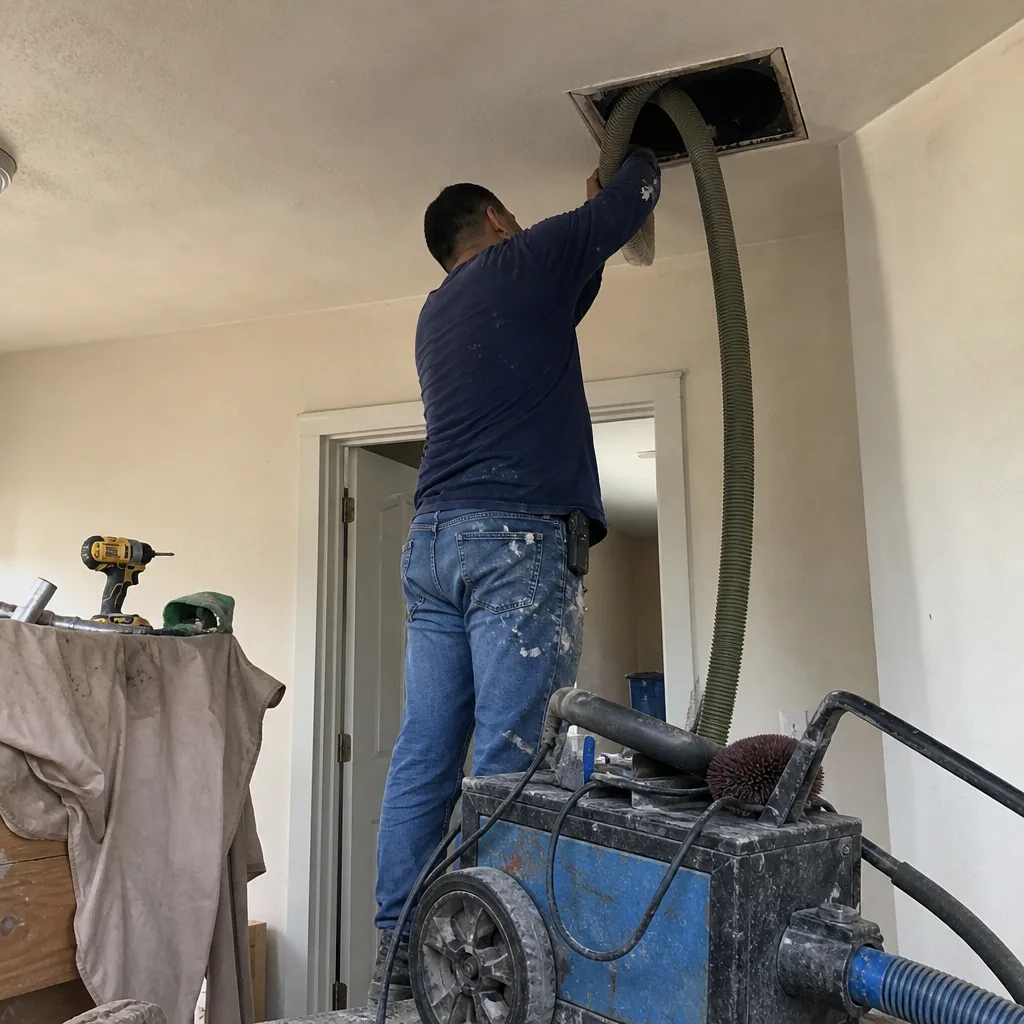 Before
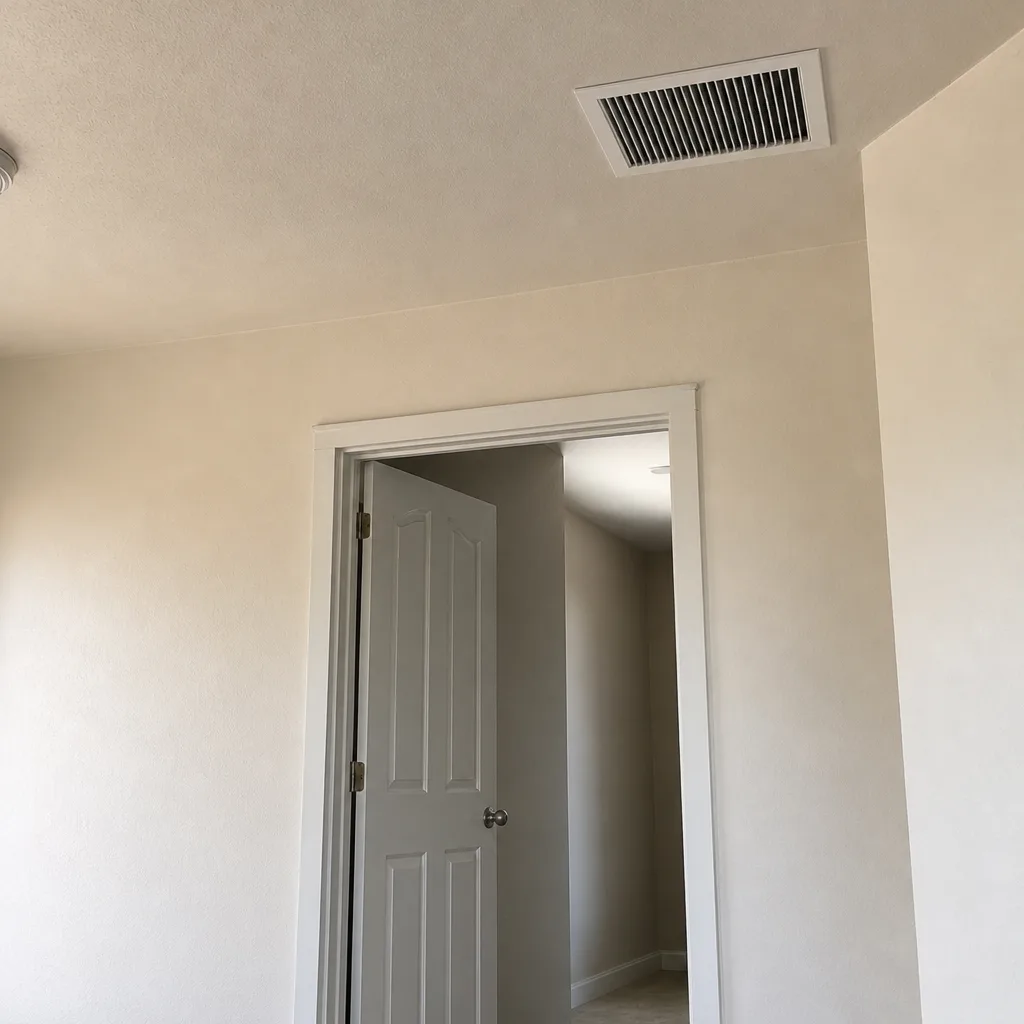 After
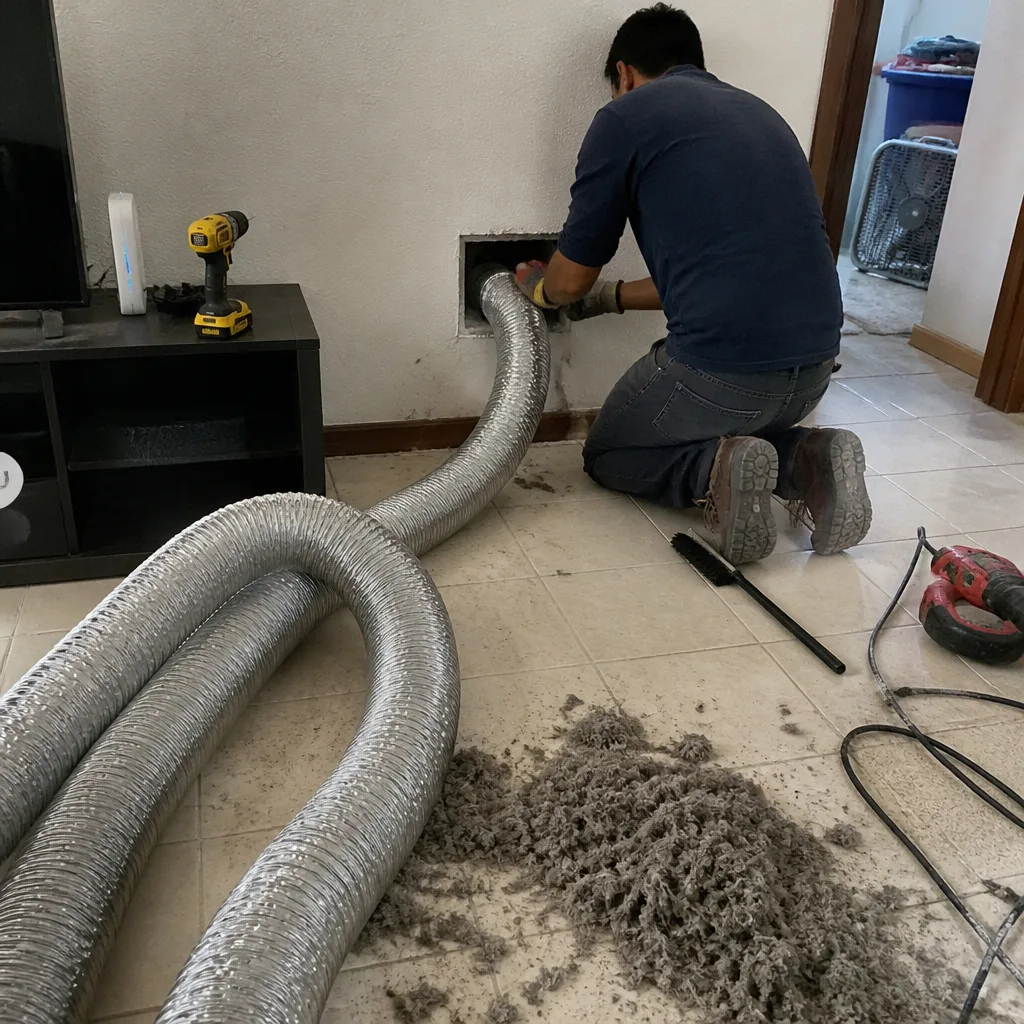 Before
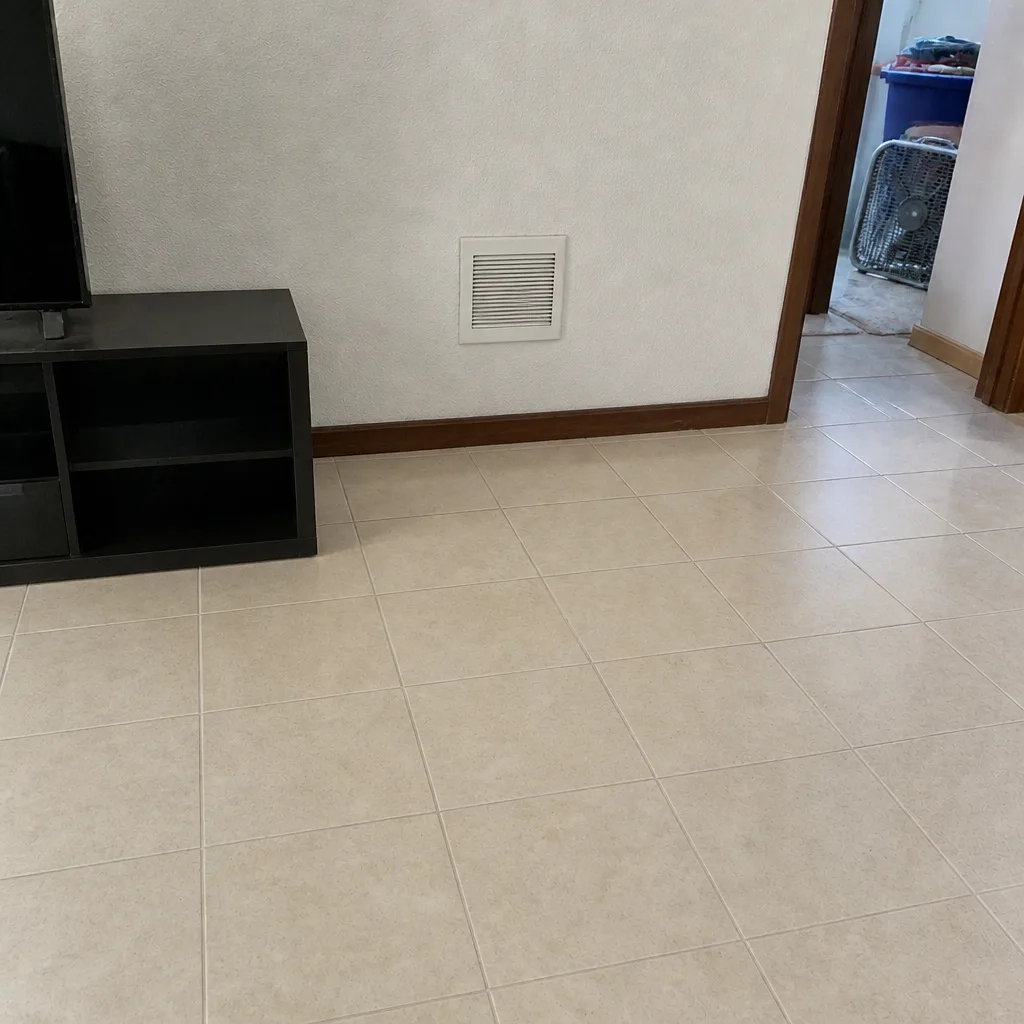 After
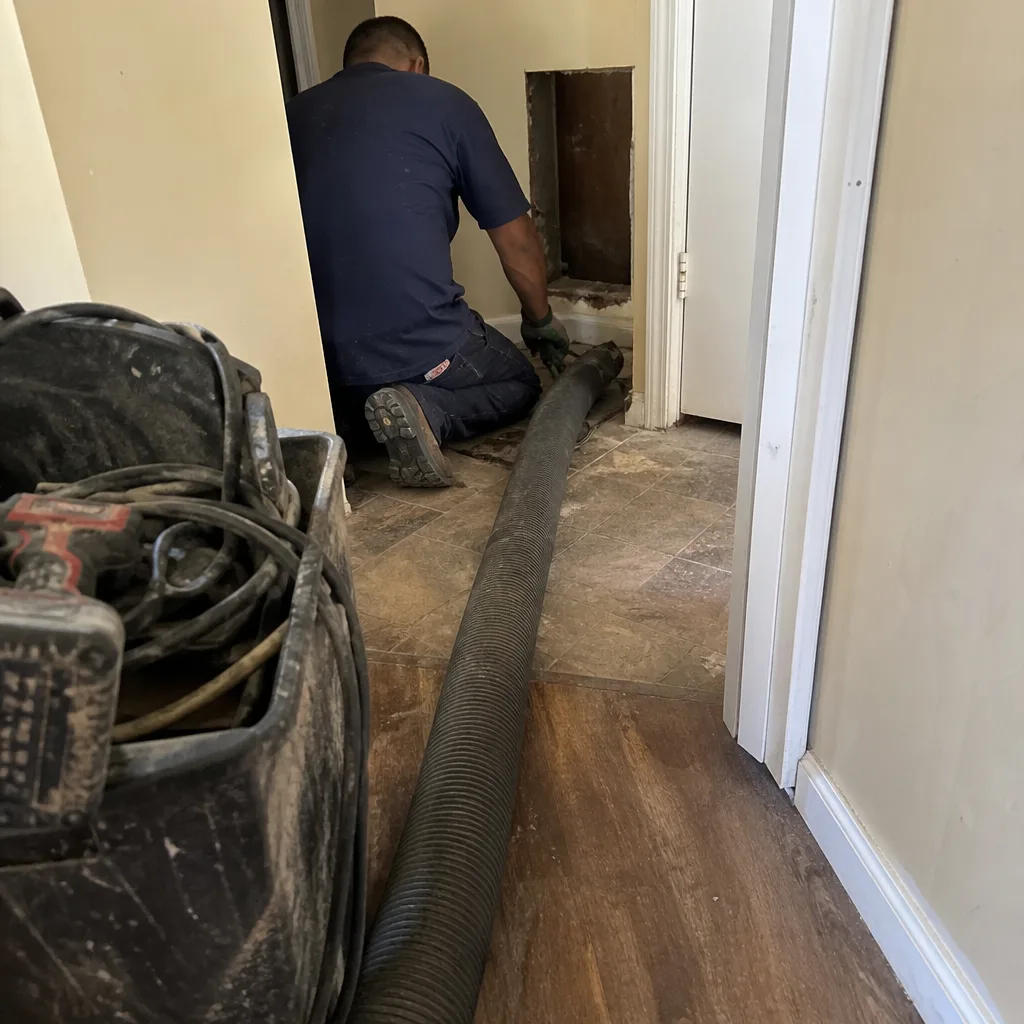 Before
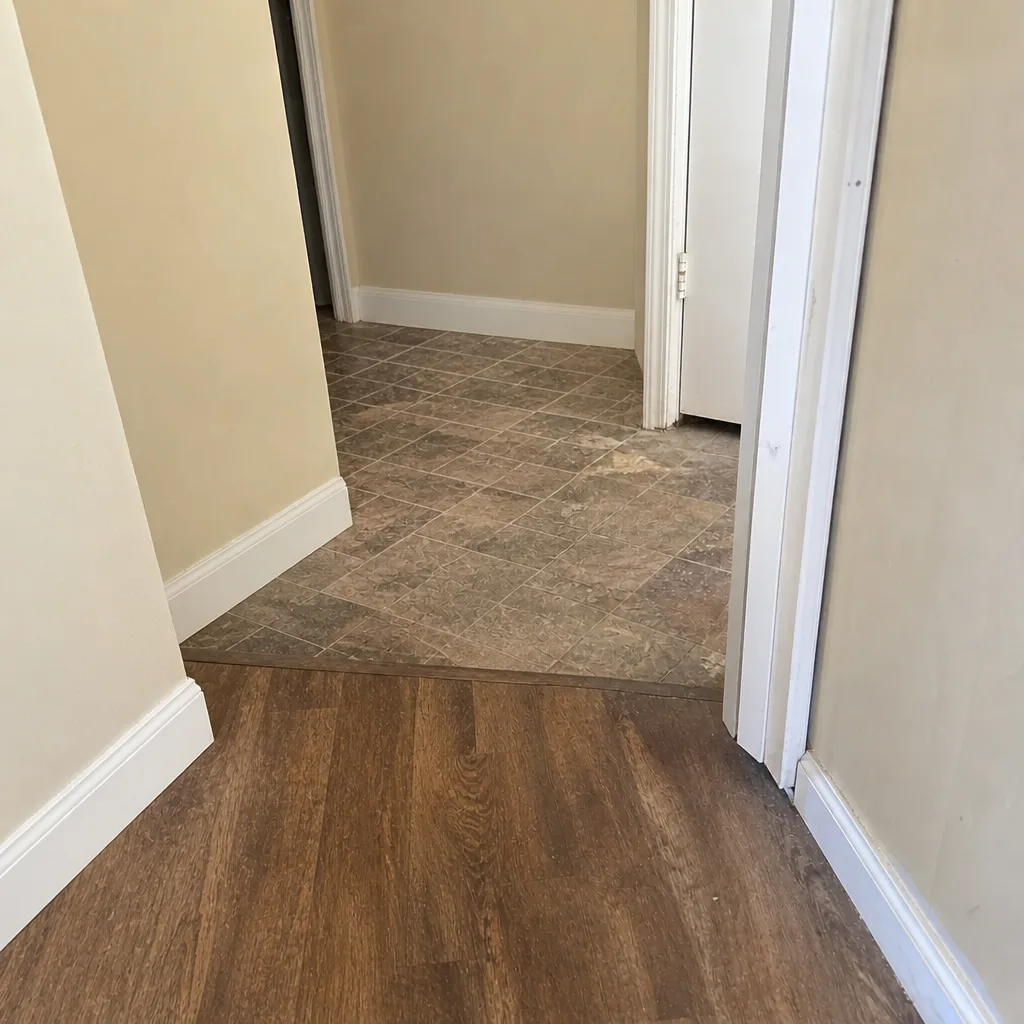 After
Frequently Asked Questions
Typical pricing for a whole-system air duct cleaning in Laredo falls in the range of a few hundred dollars for a standard single-story home, higher for larger homes or ones with heavy contamination. The exact number depends on the system size, accessibility, and whether dryer vent cleaning or repair work is added. We set one flat price per system by written estimate before work starts, and we don’t quote per vent. Call (844) 938-0644 for an exact quote. Estimates are free.
Cheap quotes usually mean one of three things: consumer-grade shop vac equipment instead of Rotobrush or Nikro-grade systems, a per-vent price that starts low and climbs once the technician is inside, or no real inspection at all. If a company can’t tell you what equipment they use and whether their price is a flat number for the whole system, the low quote isn’t a real quote. Call (844) 938-0644 for a written estimate that holds.
Ask for before-and-after photos of your own ducts, not stock images, and ask the technician to walk you through what was found at each register. A real cleaning produces visible evidence: what came out, where it came from, and what the interior looks like afterward. We provide both on every job.
Most homes don’t need duct cleaning on a schedule; they need it when a specific symptom appears. Dust in the airstream, musty odors from a clean air handler, a documented contamination issue, or a recent remodel or pest problem are the real triggers. Homes in Laredo with pets and heavy attic dust, or homes that have never had the ducts inspected, benefit from an inspection even if cleaning turns out not to be needed. Call (844) 938-0644 to schedule one.
Not dirtier, but more prone to two specific issues: dust intrusion through return-side leaks in the attic and duct board degradation from the heat. The attic in a Laredo home gets hot enough to shorten the life of flexible duct and interior liners, which means attic-side inspection matters more here than in milder climates. If your home has never had its attic runs checked, that’s the first place to look.
Fix first if there’s a disconnect, crush, or liner failure. Cleaning a broken system just re-dirties it. Our technicians have up to 11 years of experience and we check both before recommending either. Call (844) 938-0644 for a free estimate that covers both.
The Bottom Line
Most “warning sign” lists stop at symptoms. This one traces each symptom to a cause: dust in the airstream usually means a filter, liner, or return-leak issue, not necessarily dirty ducts; musty vents are often a drain pan, not the ducts; uneven rooms in Laredo usually mean disconnected attic runs; a climbing utility bill is a timestamp, not a diagnosis by itself; and dryer vents are a separate system with their own fire-risk symptoms. Get an inspection that answers all three questions (contaminated, leaking, and air handler clean) before you spend a dollar on cleaning. Then set one flat price for the whole system and hold it.
Call (844) 938-0644 for a free estimate. We answer 24/7. Fast dispatch from 7am to 7pm, Sunday through Friday. Duct Cleaning Laredo cleans, repairs, and improves the full duct system so you don’t need a second contractor.
Written by the team at Duct Cleaning Laredo.