
Last updated November 15, 2026
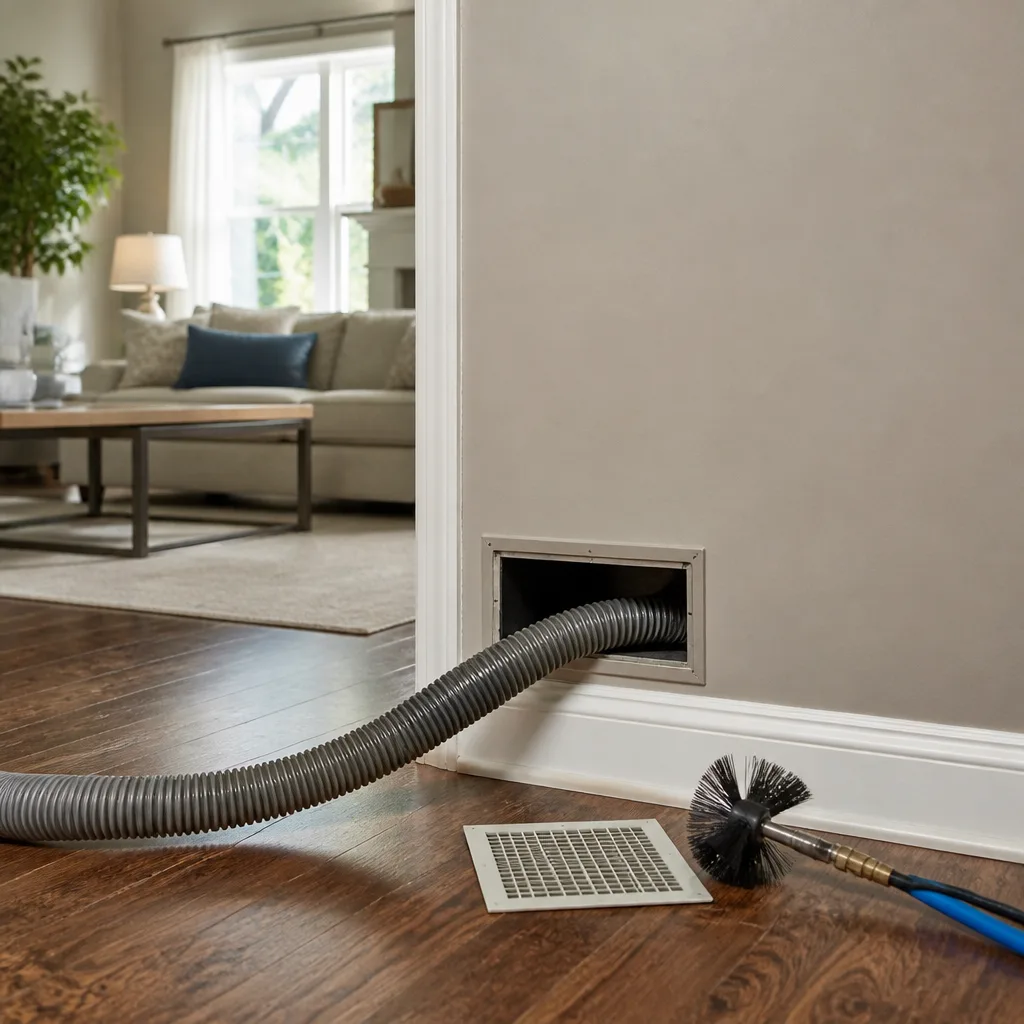 Whole-home duct cleaning
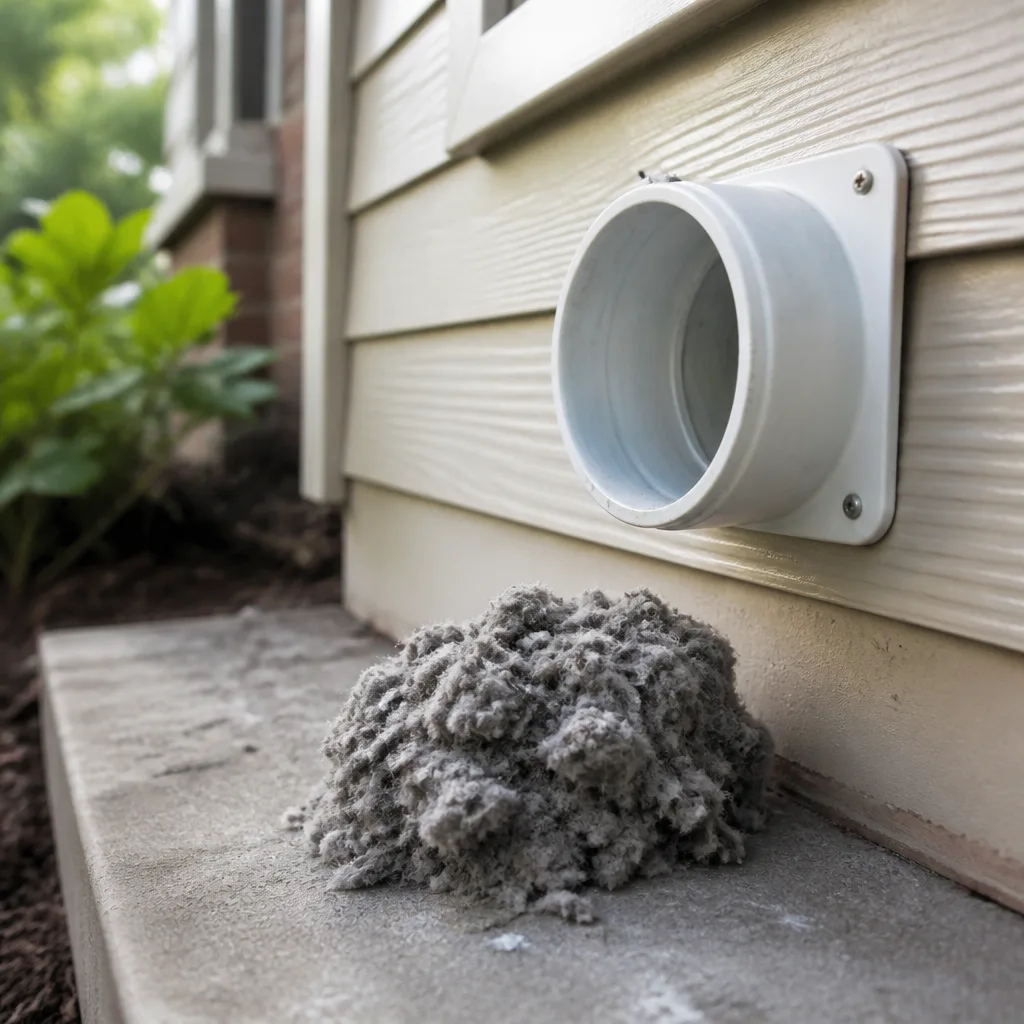 Dryer vent cleaning
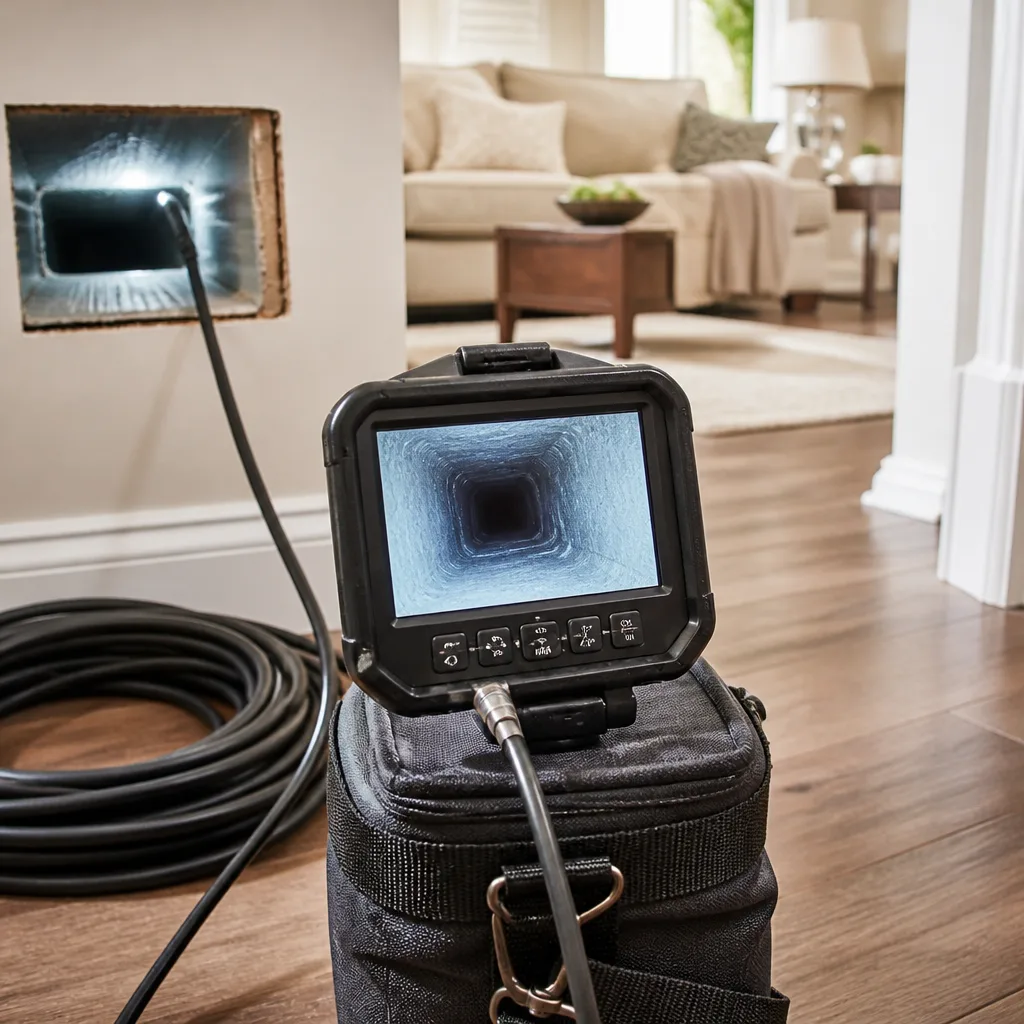 Camera inspection
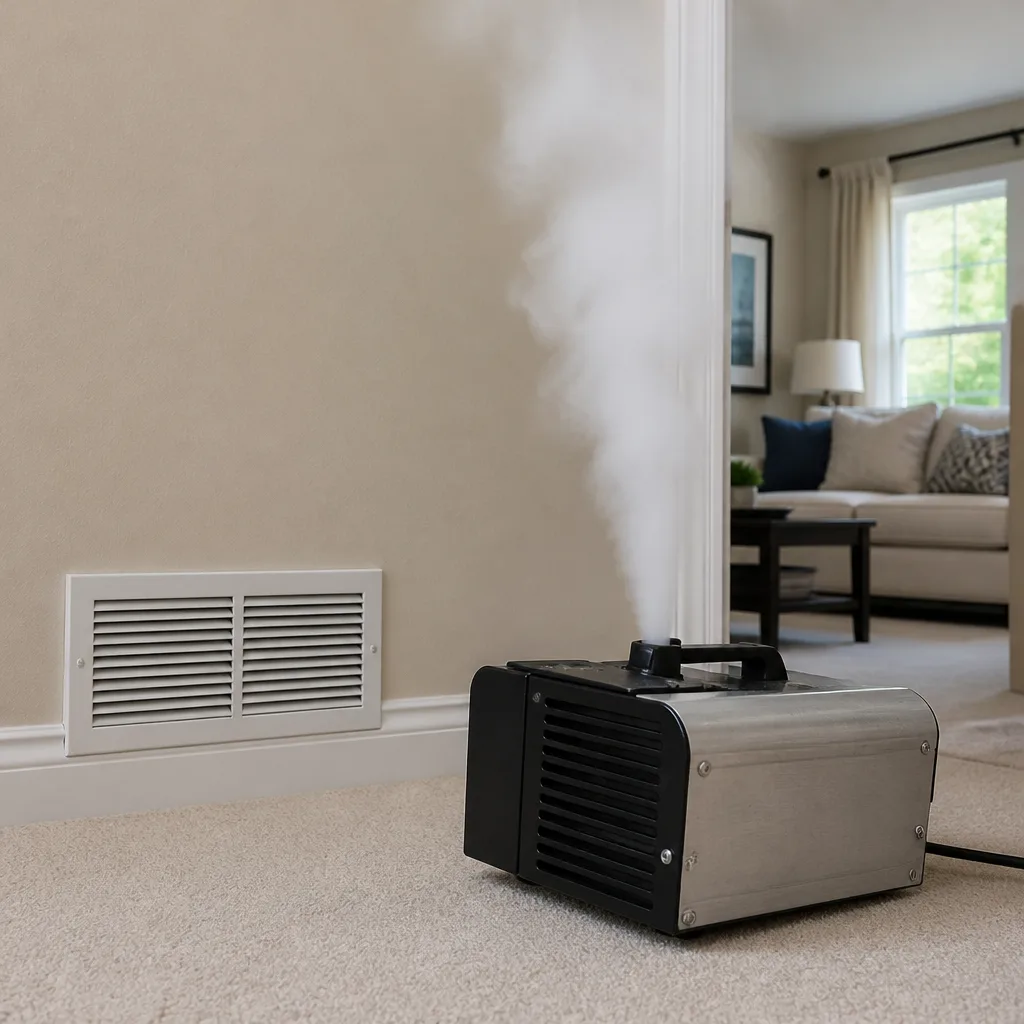 Sanitizing & deodorizing
Whole-system duct and dryer vent check with before-and-after photos - you see exactly what came out of your vents
That "$99 whole-house special" is a bait ad - the real number appears once they are in your hallway, or the "clean" is a shop-vac at the register. We photograph the inside of your ducts before and after instead.
Choosing the Right Air Duct Cleaning Brand: A Buyer’s Guide for Laredo
Most homeowners in Laredo shop for this service by logo, and that is the first mistake. The most familiar names in duct cleaning are often franchise systems that license a name and a marketing package to independent operators, so the brand on the van tells you nothing about the equipment in it or the training of the people holding the hose. What actually predicts how clean your ducts end up is equipment class, service scope, and whether the company treats ducts as a specialty or a sideline. This guide walks through the questions that separate a real specialist from a generalist with a shop vac, so you can evaluate a local company on evidence instead of recognition.
Quick Answer
The right air duct cleaning company matters far more than the right brand name. Look for a dedicated duct specialist using professional contact-cleaning and HEPA equipment, verifiable certification at both the company and technician level, and a service scope that covers cleaning, dryer vents, and duct repair. In Laredo, where dust and humidity push HVAC systems hard, those three factors decide whether the job is done properly.
Styles & brands we work with
- Whole-home duct cleaning
- Dryer vent cleaning
- Camera inspection
- Sanitizing & deodorizing
Table of Contents
- Why Franchise Duct Cleaning Brands Vary So Widely in Quality
- The Equipment Standard That Actually Predicts Cleaning Quality
- What NADCA Certification Means at the Company and Technician Level
- Why a Duct Specialist Beats an HVAC Generalist
- How to Evaluate a Local Laredo Company Without a National Brand
- Questions to Ask Before You Book
- Why Scope of Work and Duct Repair Capability Matter
- Common Mistakes to Avoid
- When to Call a Professional
- Frequently Asked Questions
Why Franchise Duct Cleaning Brands Vary So Widely in Quality
Here is the counterintuitive part of shopping by brand: a franchise name is a marketing agreement, not a quality standard. The franchisor typically controls the logo, the ad spend, and the national website, while the actual work is performed by whoever bought the local territory. That operator may run top-tier equipment and hold real certifications, or may run a single portable unit and a consumer wet-dry vac. The logo looks identical either way. Before you book, it helps to know that the brand behind Duct Cleaning Laredo is the operator who does the work, not a national ad campaign.
That variance shows up in three places homeowners rarely check:
- Equipment specifications. The franchisor doesn’t dictate vacuum power or whether contact cleaning tools are used. Two franchise locations can run completely different rigs under the same banner.
- Technician certification. Franchise agreements generally don’t require individual technicians to hold specific credentials, so training quality drifts from operator to operator.
- Scope of work. Some franchises upsell aggressively; others keep it clean. The written agreement and the invoice tell you which you’re getting, not the brand name.
This isn’t an argument against national names. It’s an argument that the name is a starting point, not a decision. A franchise operator who invested in proper equipment can do excellent work. A franchise operator who didn’t cannot. You can’t tell which you’ve called until you ask technical questions, and that’s the entire point of this guide. For a deeper walkthrough of how a proper cleaning actually goes, our air duct cleaning page outlines the process step by step.
The Equipment Standard That Actually Predicts Cleaning Quality
If you remember one thing from this guide, make it this: the number that predicts cleaning quality is not the brand on the van, it’s the suction rating of the vacuum connected to the system. Professional duct cleaning relies on negative pressure – a powerful vacuum pulls the whole trunk and branch system into negative pressure while contact tools agitate the duct interior, so loosened debris gets captured instead of drifting back into your living space.
The genuine industry benchmark is a truck-mounted negative pressure vacuum rated above roughly 10,000 CFM. That suction class is what lets a crew clean a full residential system without sending dust into the house. Portable units and shop vacs operate in a completely different league. They can’t sustain negative pressure across a large system, and they can’t hold what they loosen. The category of equipment matters more than the manufacturer, though professional rigs from names like Rotobrush, Nikro, and Abatement Technologies all sit in the contractor-grade tier.
Here’s how to check equipment class on a phone call, in order:
- Ask what vacuum they’ll connect to your system and its rated CFM.
- Ask whether they use truck-mounted negative pressure or a portable unit.
- Ask what contact cleaning tools they’ll run inside the ducts (rotary brushes, whips, or air-driven tools agitate surfaces; vacuum alone does not).
- Ask whether they’ll show you before-and-after photos of your own system.
Our own crews use professional-grade Rotobrush contact-cleaning systems, Nikro HEPA vacuums, and Abatement Technologies air filtration equipment – the same category of gear deployed in professional remediation work. That’s not a slogan; it’s the reason a cleaning can be measured in airflow and dust levels afterward. On a first floor or a large ranch home in Laredo, suction class and contact tooling are what separate a real cleaning from a wipe-down.
What NADCA Certification Means at the Company and Technician Level
The National Air Duct Cleaners Association (NADCA) sets the industry’s standard for duct cleaning practice. Certification exists at two distinct levels, and the distinction matters because it tells you what’s actually been verified.
- NADCA membership means the company is part of the association and has agreed to its code of ethics. It’s a starting signal, not proof of training.
- ASCS (Air Systems Cleaning Specialist) certification is an individual credential – a technician has passed an exam covering cleaning methods, contamination assessment, and system protection. It lives with the person, not the truck.
- Company-level certification indicates the business itself has met NADCA’s operational and equipment standards.
The key question to ask is simple: “Who shows up at my door, and do they personally hold ASCS certification?” Some companies hold the credential at the office level while the crew on your property doesn’t. That’s not automatically disqualifying, but it changes what you’re paying for. If a company can’t tell you the name and credential of the technician assigned to your job, you’re buying a logo, not a trained specialist.
Verification is straightforward: ask for the certification name and number, and check it against the association’s public directory. A contractor proud of their credentials will share them without hesitation. We recommend asking this on every call, whether the company has national recognition or none at all. Honest specialist duct cleaning services in Laredo will happily walk you through their qualifications, and if they can’t, that tells you something worth knowing before you book.
Why a Duct Specialist Beats an HVAC Generalist
A large HVAC company with a famous name and a full install-and-service business may offer duct cleaning as a seasonal add-on. That’s a fundamentally different product from what a dedicated duct specialist provides, even when both use the word “cleaning” on the invoice.
The difference shows up in depth. A generalist typically cleans what’s reachable and moves on, because duct work is one line item among many and the crew’s training is oriented toward repairs and installs. A specialist does nothing else, which means they’ve built their process, tooling, and troubleshooting around duct interiors. In our experience, the technical details a specialist notices – loose internal duct liner, disconnected flex runs, dust tracked back in from a poorly sealed return – are exactly the things a generalist misses because they’re not looking for them.
Here’s how the two compare on the variables that matter:
- Equipment. Specialists invest in truck-mounted negative pressure and contact tools; generalists often use whatever fits the truck on a service call.
- Certification focus. A dedicated specialist tends to pursue duct-specific credentials; a generalist’s certifications usually center on HVAC service.
- Scope. A specialist can clean, repair, and address dryer vent safety; a generalist often cleans and refers repair elsewhere.
- Time on task. A duct specialist budgets the hours a proper cleaning takes; a generalist may rush it to keep the schedule moving.
A larger brand presence doesn’t change those fundamentals. If you want the job done right, ask a company to describe its duct cleaning process end to end. The answer will tell you whether ducts are their specialty or their side table.
How to Evaluate a Local Laredo Company Without a National Brand
A company with no national recognition can still be the best call you make – and often is. Local operators rise or fall on repeat business and referrals, so the incentive to do a good job is baked into the business model. You just need a different evaluation framework than logo recognition. For homeowners across Laredo, local climate makes that framework especially relevant: hot summers push HVAC systems to run long hours, and the dust and pollen that build up in a duct system here isn’t trivial to clear.
Use this checklist, in order:
- Ask the equipment question. Truck-mounted negative pressure and a stated CFM rating, plus contact cleaning tools. If they dodge the question, stop there.
- Ask about certifications. Request the name and number of the technician who will be on site, and verify it.
- Ask what the estimate covers. A written estimate should state which ducts are cleaned, whether registers are removed and cleaned, whether the air handler is accessed, and what the price includes.
- Ask whether they handle duct repair. If they discover a disconnected run, do they fix it or refer you out?
- Ask for before-and-after photos of your own system. Photos of your ducts from the same vantage points prove the work was done.
- Ask whether dryer vent cleaning is offered. A company equipped for that job in the same visit is set up for a broader scope.
If a Laredo company passes all six, they’re a serious operator regardless of whether you’ve seen their name before. For more detail on our own process and pricing, call (844) 938-0644.
Questions to Ask Before You Book
The best way to separate a specialist from an order-taker is a short call with five or six technical questions. You don’t need a technical background to read the answers, because a confident operator explains them in plain language. Here are the questions we think every homeowner should ask, with what a good answer sounds like.
- “What vacuum will you use, and at what CFM?” A good answer is specific – truck-mounted negative pressure, rated above roughly 10,000 CFM. A weak answer is “a really powerful one.”
- “What contact tools are you running inside the ducts?” A specialist names rotary brushes, whips, or air-drive tools and explains how they agitate surfaces so dust gets captured.
- “Do you use HEPA filtration after cleaning?” Professional-grade filtration equipment captures fine debris; consumer shop vacs do not.
- “What does the written estimate include?” It should be itemized by scope, and it should be one flat price per system, not a per-vent charge.
- “Will you photograph before and after?” A specialist expects to show you evidence of the work.
- “Do you handle duct repair if you find damage?” A specialist repairs structural issues in-house; a generalist refers them out.
The overall shape of a good answer matters more than any single detail. You want to hear specifics, a clear scope, and a company willing to put the price in writing before anyone shows up. That’s the same standard we hold ourselves to, and it’s what you should demand from any company. A service that can’t clear those questions is a gamble with your system, your air, and your wallet.
Why Scope of Work and Duct Repair Capability Matter
A duct system is a network – every trunk, branch, and return – and cleaning it properly means covering the whole thing, not just the visible registers. It also means being prepared for what the cleaning uncovers. Loose joints, disconnected flex runs, collapsed sections, and deteriorated internal liner are common in older Laredo homes, and each one is a place where dust, humidity, or unfiltered air can bypass the filter entirely.
That’s why a company that only cleans is limited, and why Air Duct Repair belongs in a specialist’s core scope. If a cleaning crew finds damage and can’t fix it, you’re left calling a second contractor, waiting on a second estimate, and paying a second visit. A company with three connected services – cleaning, dryer vent safety, and duct repair – handles the full duct system lifecycle on one relationship. That scope is also a useful quality signal on its own: a company that repairs ducts has a real reason to clean them correctly and to notice damage in the first place.
Dryer vent cleaning is the other half of scope that matters, and it’s a safety service, not an upsell. Clogged dryer vents are a documented fire risk, and the National Fire Protection Association ties them to thousands of residential fires annually. When a company cleans your ducts, it makes sense to have the dryer vent addressed in the same visit. That’s why we treat it as a primary service and connect it directly to fire-risk reduction. For the details of that service, our dryer vent cleaning page covers the process, the risk, and what to expect.
Common Mistakes to Avoid
- Buying the brand instead of the equipment. A recognizable national name doesn’t guarantee professional-grade suction or contact cleaning. Ask for the vacuum’s CFM rating and contact tooling before you book.
- Skipping the CFM question entirely. Portable units and shop vacs can’t hold a full system under negative pressure, so debris floats back into your home. The suction class is the single most important spec.
- Hiring an HVAC generalist for a duct specialist’s job. A generalist cleans what’s reachable and moves on; duct interiors, loose liner, and disconnected runs are not their specialty.
- Taking a per-vent quote. Per-vent pricing makes the invoice unpredictable and often pays for vent count rather than whole-system coverage. Ask for one flat price per system, agreed before work starts.
- Not checking who will actually be on site. NADCA certification lives at two levels; confirm the technician at your door personally holds the credential, not just the company office.
- Skipping the written estimate. A verbal number can drift. Get the scope and price in writing, and confirm the estimate sets the final price before the crew arrives.
- Leaving the dryer vent for later. Clogged dryer vents are a real fire risk, and a company already set up for duct cleaning should address them in the same visit.
See the difference
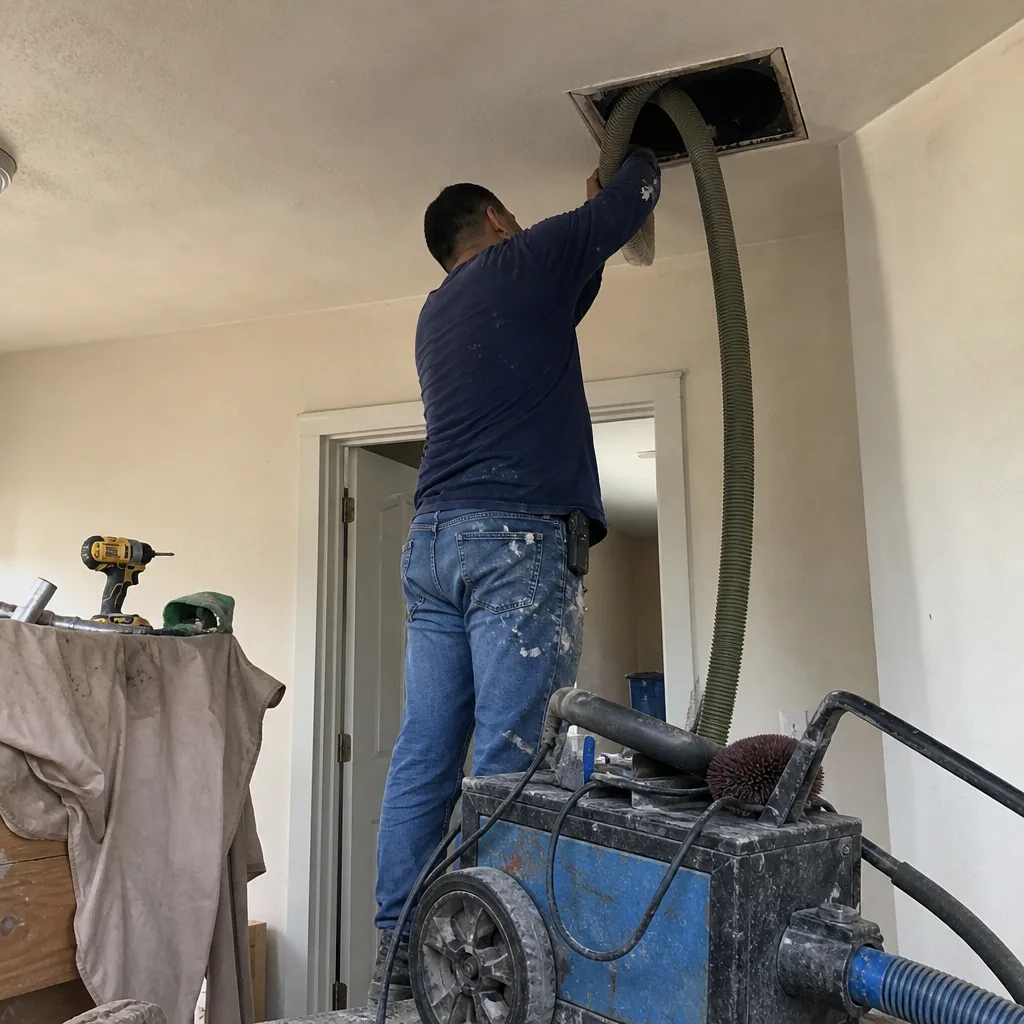 Before
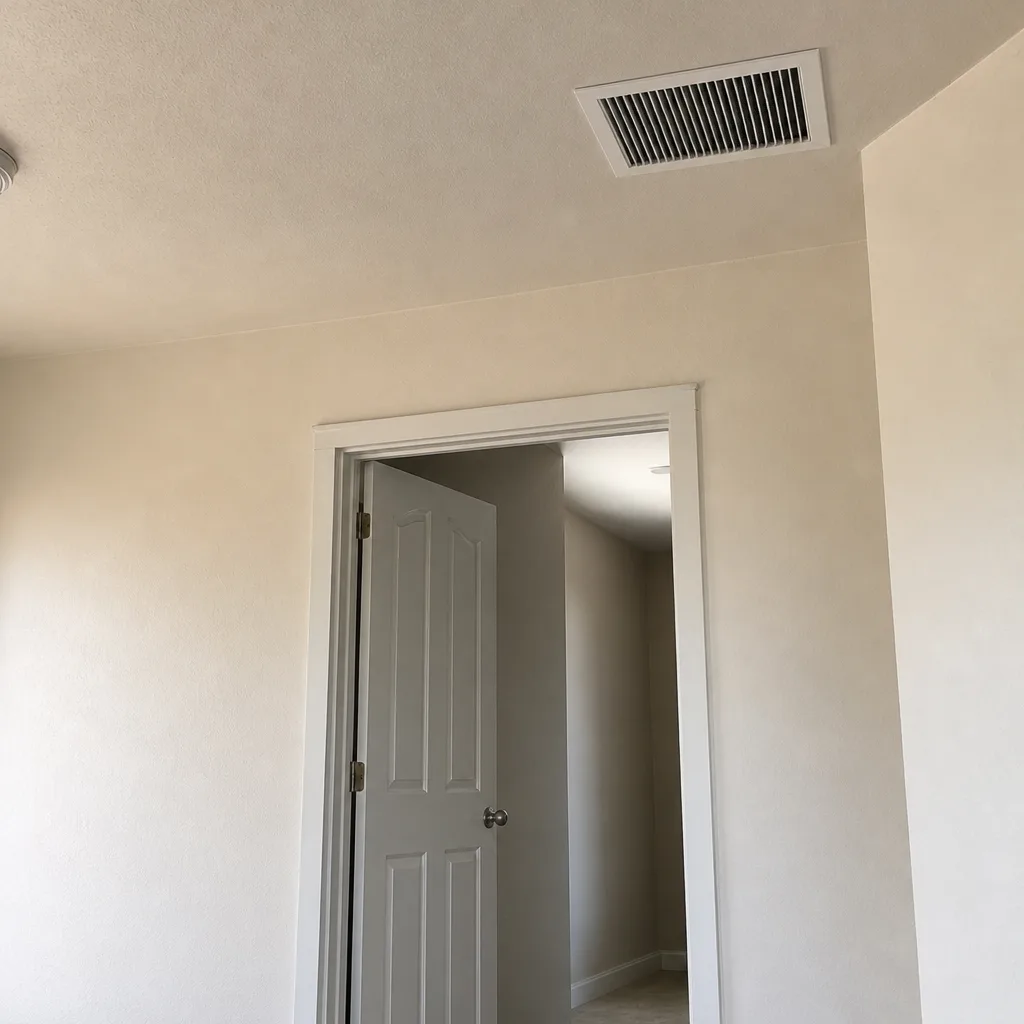 After
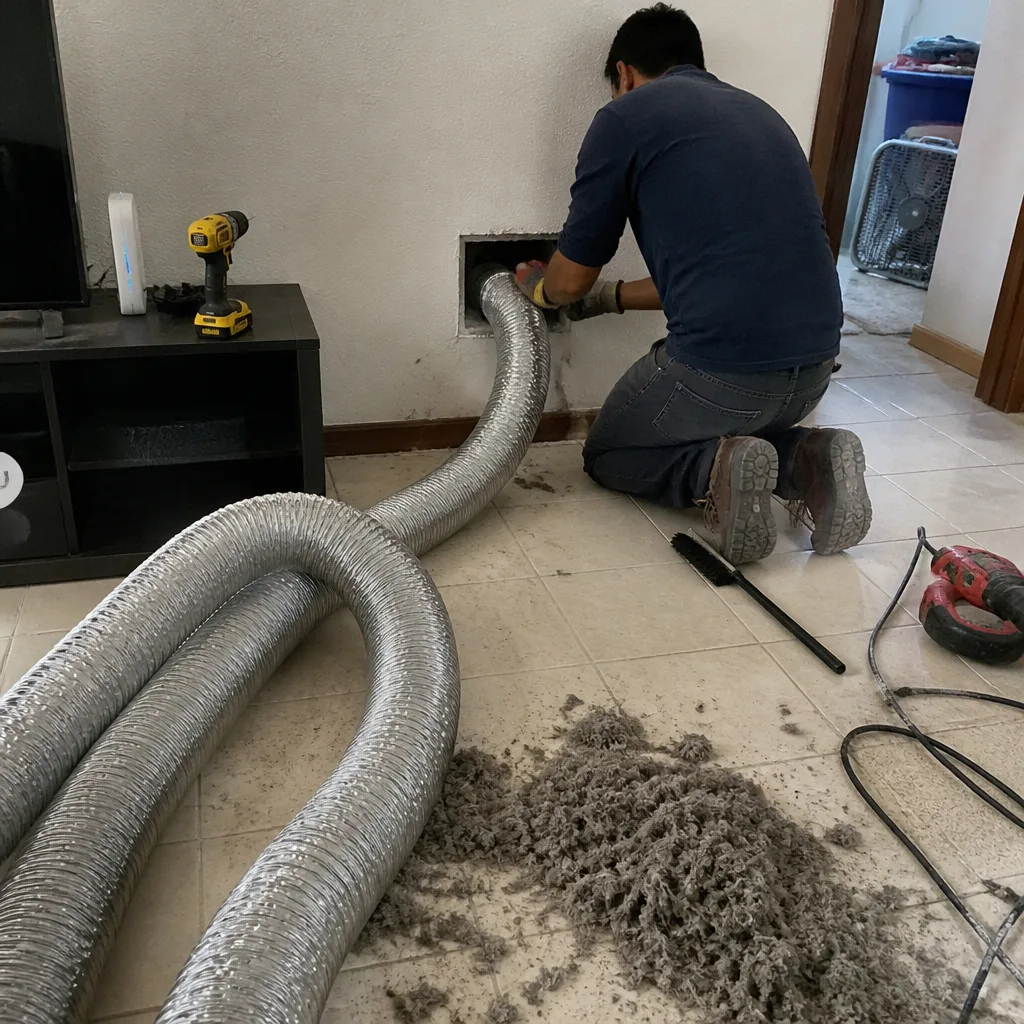 Before
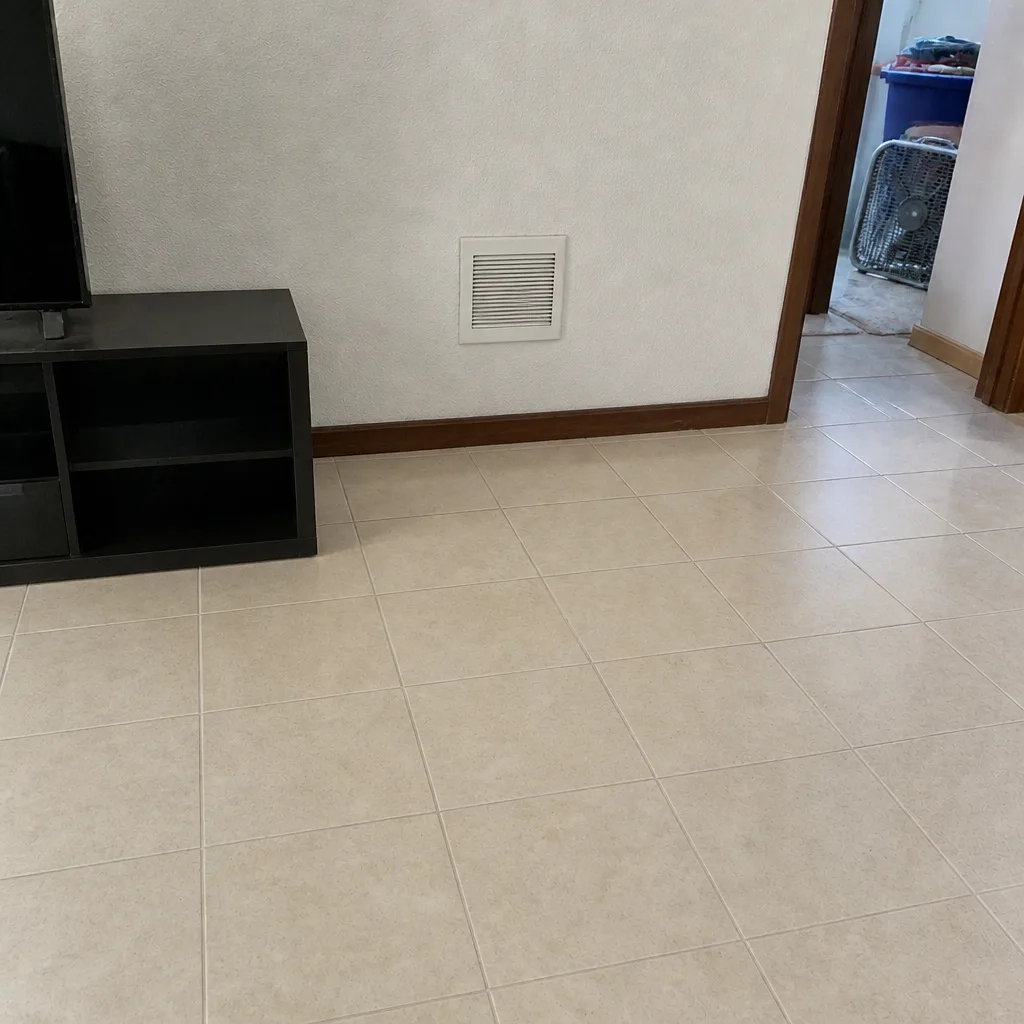 After
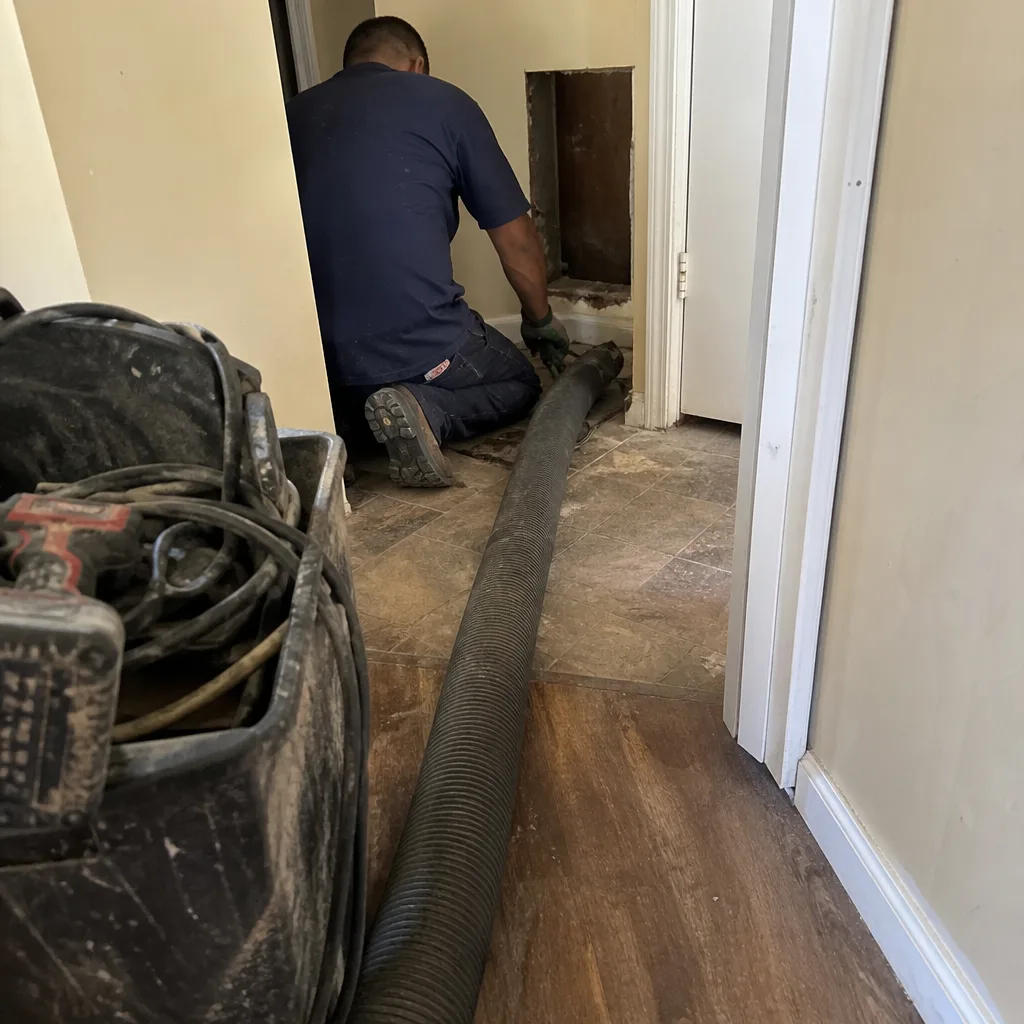 Before
 After
When to Call a Professional
Some duct work is maintenance; some of it is a genuine problem worth a call. If you’re seeing visible dust settling on surfaces right after you clean, smelling a musty odor when the system runs, or noticing that allergy symptoms flare up inside the house more than outside, the duct system is a reasonable suspect. Rising energy bills on the same usage pattern are another signal worth checking. If your dryer takes two cycles to dry a normal load, that’s the dryer vent telling you it’s restricted.
Structural issues are a firmer line: sagging, loose, or disconnected ducts, visible damage in a crawl space or attic run, or a substantial drop in airflow to specific rooms all point to a duct repair job, not just a cleaning. These are also the situations where the right specialist matters most, because a generalist will clean around the problem and leave it in place.
Duct Cleaning Laredo offers free estimates in Laredo. Call (844) 938-0644. We answer 24/7. Fast dispatch from 7am to 7pm, Sunday through Friday. The written estimate sets the final price, and we use professional-grade Rotobrush, Nikro, and Abatement Technologies equipment on every job.
Frequently Asked Questions
Most residential duct cleanings in Laredo fall within a whole-system range, and the exact number depends on the size of the system, the number of registers, and whether duct repair or dryer vent cleaning is included. We quote one flat price per system, agreed before work starts, so the number on the estimate is the number on the invoice. Call (844) 938-0644 for an exact quote – estimates are free.
Not automatically. National duct cleaning brands are often franchise systems that license the name and marketing to independent local operators, so the actual quality depends on the local operator’s equipment and training. A local Laredo company with professional-grade vacuum equipment, verifiable certifications, and a clear written scope can match or exceed a national brand. Judge on equipment class, credentials, and scope, not on the logo.
NADCA membership means the company belongs to the National Air Duct Cleaners Association; ASCS certification is an individual technician credential. They’re different things, and they belong to different parties. Ask which one applies to the person showing up at your door, and ask for the certification number so you can verify it.
The service is legitimate when it’s done by a properly equipped specialist; the scam reputation comes from companies using shop vacs and per-vent pricing. Real duct cleaning uses truck-mounted negative pressure vacuum rated above roughly 10,000 CFM, contact cleaning tools, and HEPA filtration, with before-and-after photos of your own system. If a company can’t describe those elements, keep shopping.
Yes. Air Duct Repair is one of our core services, so if we find a disconnected run, loose joint, or damaged section during cleaning, we can address it in the same scope rather than handing you off to a second contractor. That’s also why the written estimate is important: it states exactly what’s covered so nothing is added after the fact.
Most homes benefit from duct cleaning every few years, and more often if you have pets, recent renovations, or visible dust buildup. Dryer vents need more frequent attention because lint accumulates faster and creates a documented fire risk. In Laredo, long cooling seasons and dusty conditions make a periodic check worthwhile. Call (844) 938-0644 for a free estimate and we’ll give you an honest read on your system.
The Bottom Line
Brand names are the least reliable signal in duct cleaning. The variables that actually predict quality are equipment class (professional negative pressure vacuum, contact tools, HEPA filtration), certification at the technician level, and a scope that covers cleaning, dryer vent safety, and duct repair together. A local Laredo company without a national logo can beat a franchise every time if you ask the right questions. We built our service around that standard, using professional-grade Rotobrush, Nikro, and Abatement Technologies equipment, and we’re happy to put it in a written estimate before you commit.
If you’re ready to move from shopping to a real quote, call (844) 938-0644 for a free estimate. We answer 24/7. Fast dispatch from 7am to 7pm, Sunday through Friday. We’re closed Saturdays. One flat price per system, agreed before work starts, with before-and-after photos of your own ducts.
Written by the team at Duct Cleaning Laredo.