
Last updated November 15, 2026
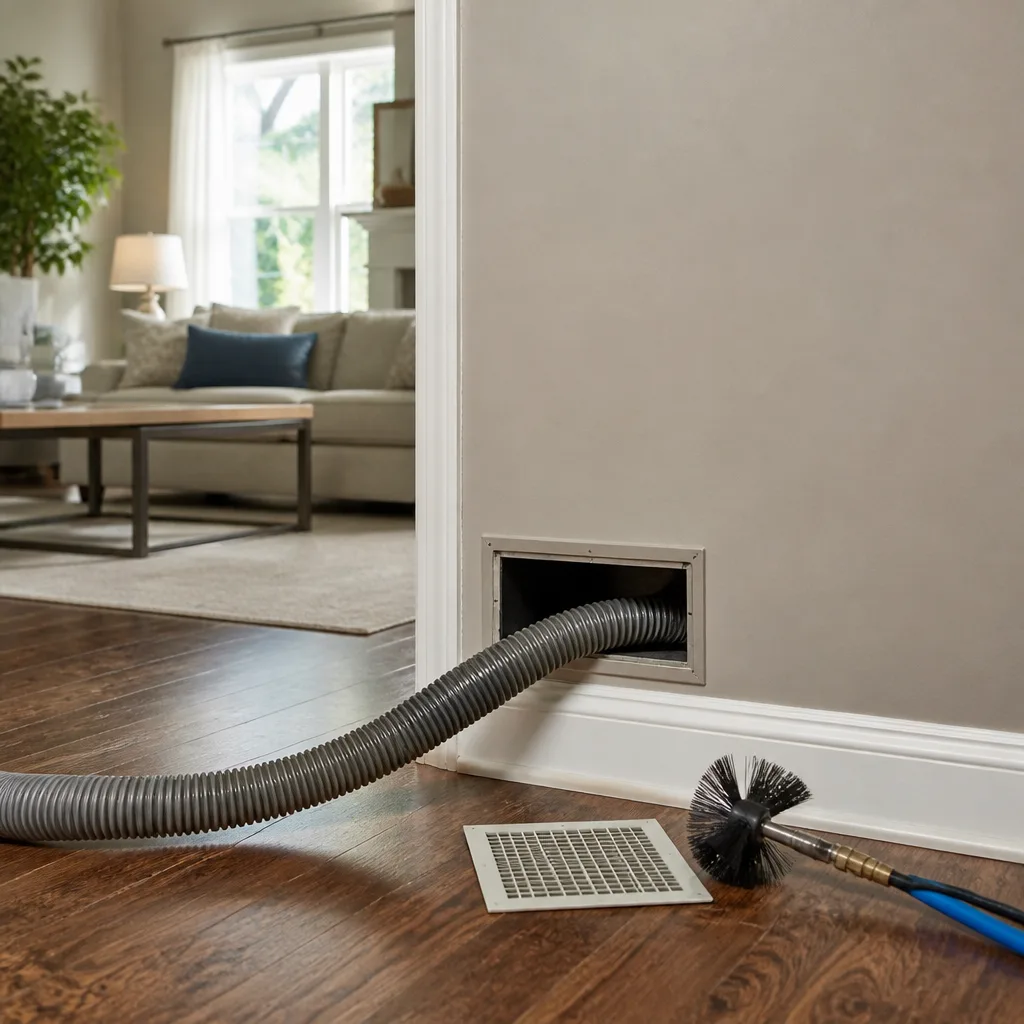 Whole-home duct cleaning
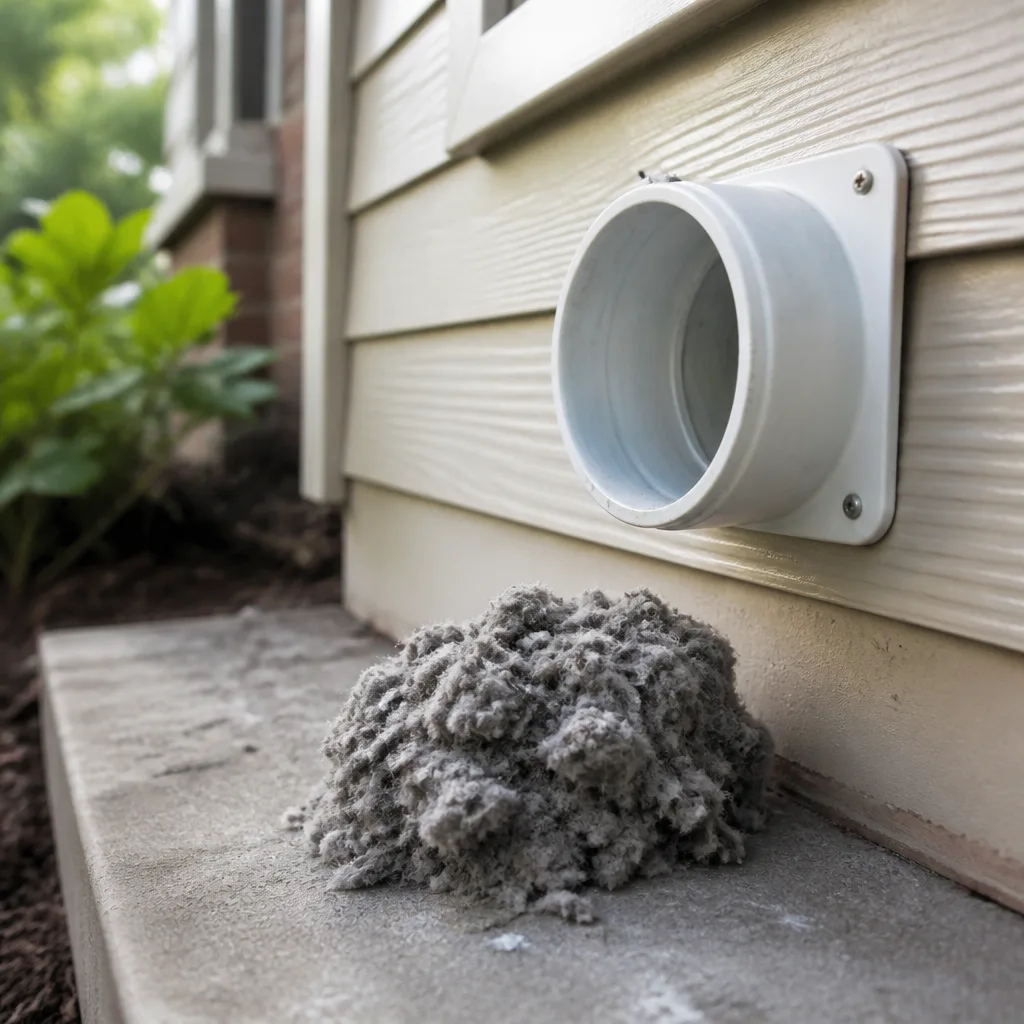 Dryer vent cleaning
 Camera inspection
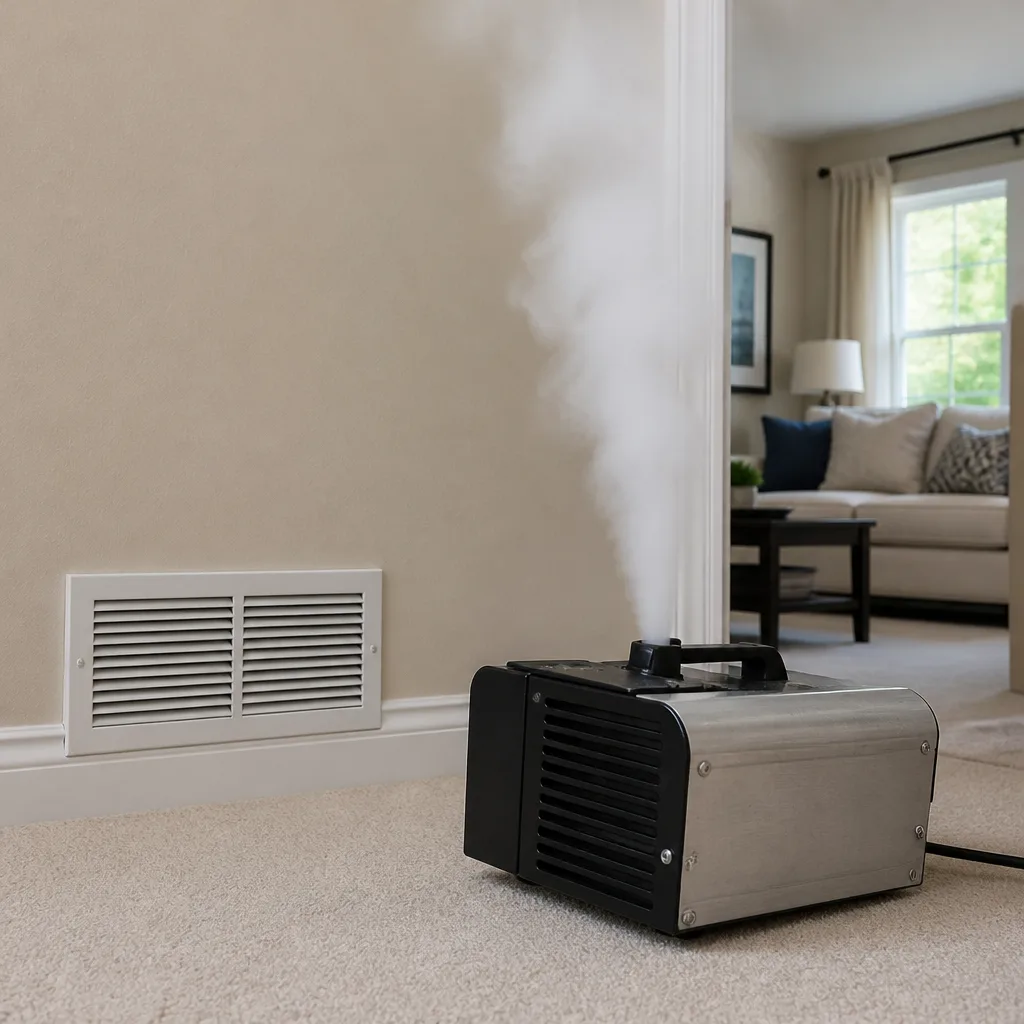 Sanitizing & deodorizing
Whole-system duct and dryer vent check with before-and-after photos - you see exactly what came out of your vents
That "$99 whole-house special" is a bait ad - the real number appears once they are in your hallway, or the "clean" is a shop-vac at the register. We photograph the inside of your ducts before and after instead.
Seasonal Air Duct Cleaning Care for Laredo: Year-Round Homeowner’s Guide
Most seasonal duct cleaning advice is written for places that actually have four seasons. Laredo doesn’t. If you follow a guide built for Dallas or Houston and schedule your cleaning by the calendar month it recommends, you’ll almost certainly clean at the wrong point in your system’s real usage cycle. Here, the year splits into two phases: a long, punishing cooling season when the air handler runs constantly, and a short mild stretch when it barely runs at all. Each phase stresses your ductwork differently, and each one calls for a different response. In this guide we’ll walk through Laredo’s actual seasonal rhythm, explain why late February to early March is the smartest cleaning window, and give you a month-by-month task list calibrated to how homes here really operate.
Styles & brands we work with
- Whole-home duct cleaning
- Dryer vent cleaning
- Camera inspection
- Sanitizing & deodorizing
Quick Answer
The best time to clean air ducts in Laredo is late February to early March, after heating use has ended and before peak cooling demand begins, so your system starts the long hot season with clean ducts and full airflow. A second check in October catches heat-related damage to duct lining and insulation that a spring cleaning alone won’t reveal. Dryer vent cleaning deserves its own attention in the cooler winter months, when lint accumulation peaks and fire risk rises.
Table of Contents
- Why Laredo’s Climate Breaks the Four-Season Rule
- Why Late February to Early March Is the Optimal Window
- What Laredo’s 100°F+ Summers Do to Your Ductwork
- The October Inspection: Catching What Spring Cleaning Misses
- Rare Freezes, Condensation, and the Microbial Risk That Follows
- Dryer Vent Priority: Why Lint Peaks in Winter
- A Month-by-Month Task Reference for Laredo Homes
- Common Mistakes to Avoid
- When to Call a Professional
- Frequently Asked Questions
- The Bottom Line
Why Laredo’s Climate Breaks the Four-Season Rule
Generic HVAC guides assume a balanced year: a heating season, a cooling season, and two shoulder periods where you can schedule maintenance without disrupting comfort. Laredo doesn’t work that way. Our dominant phase is an extended high-heat cooling season that stretches across most of the year, and the compressed mild period between it is short. That imbalance changes everything about when duct maintenance makes sense.
Think about what your air handler actually does here. In a climate with four distinct seasons, the blower runs hard for a few months, then rests through spring and fall. In Laredo, the system runs hard for the better part of the year. Every hour of runtime moves air through the same duct surfaces, depositing dust, pollen, and fine particulate matter on the interior walls. The longer the cooling season, the more material builds up, and the more that buildup constrains airflow exactly when you need it most.
Compare the two climates directly:
- Four-season climate: Heavy furnace use in winter, heavy cooling in summer, and two genuine shoulder seasons when the system idles. Duct buildup accumulates slowly and cleaning can be scheduled almost any time.
- Laredo climate: Heavy cooling for an extended season, a short mild period when the system idles, and rare cold snaps when heating kicks on. Buildup accumulates fast and concentrates during one dominant phase.
This is why air duct cleaning in Laredo can’t be scheduled the way it is in colder cities. The question isn’t which month the calendar says, it’s where you are in your system’s real usage cycle. Get that timing right and cleaning pays off for months. Get it wrong and you’re cleaning dust that’s about to be buried under another season of it.
In our experience, the homeowners who get the most from duct cleaning are the ones who treat the schedule as a function of runtime, not of the season on the calendar. We’ve watched this hold true across homes of every size, from single-story houses on the north side to two-story builds with long trunk runs. The pattern is consistent: the system’s usage cycle, not the date, sets the right cleaning window.
Why Late February to Early March Is the Optimal Window
Late February to early March is the single best time to clean ducts in Laredo because it lands in the narrow gap after heating use ends and before peak cooling demand begins. Cleaning in that window means your system enters the long hot season with clean ducts, full airflow, and no built-up particulate adding load to a system that’s about to run nearly nonstop.
Here’s why that timing works so well. By late February, the occasional cold snaps that push your system into heating mode are mostly behind you. The dust and debris that settled through the mild winter has accumulated but hasn’t yet been pressed into service by a long cooling run. Cleaning now removes that burden before it becomes a persistent drag on airflow. Then, when the first genuinely hot days arrive, your system isn’t fighting dirty ducts on top of high outdoor temperatures.
The alternative is to wait until summer, when the heat is already here and the system is already struggling. Cleaning in July or August still helps, but you’ve spent weeks running with restricted airflow. You can calculate the difference in your own home by watching for the signs that your ducts are loaded.
Cleaning windows differ by phase:
- Ideal cleaning window: Late February to early March, before peak cooling demand locks in dirty duct conditions for the entire season.
- Second-best window: October, after the cooling season ends and before the short heating period begins.
- Acceptable but not optimal: Any point during the cooling season, when cleaning still improves airflow but arrives after you’ve already felt the drop.
The February-to-March window isn’t arbitrary. It’s the one point in the Laredo year where the system is genuinely at rest and the cleaning you do sets the baseline for the season ahead. That’s the principle behind the seasonal approach we use on every job, and it’s why we encourage homeowners to plan around the calendar gap rather than wait for a problem to force the issue.
If February slips past, don’t panic. The October window is your second chance, and it carries a different kind of value: it catches the damage the summer did, which the spring cleaning can’t anticipate. We’ll get to that next.
What Laredo’s 100°F+ Summers Do to Your Ductwork
Laredo’s summer heat routinely climbs past 100°F, and your ductwork lives inside that environment. Even ducts routed through interior spaces face elevated temperatures, and ducts running through attics face the worst of it. The combination of sustained heat and constant blower operation puts real mechanical stress on the duct system over the course of a long season.
Two things happen simultaneously. First, the buildup inside the ducts compounds. Every hour of runtime deposits more material, and the deposit layer thickens fastest during the months the system runs most. Second, the duct materials themselves expand and contract through daily heat cycles. Flexible duct lining, insulation, and the seams that hold everything together flex repeatedly. Over a long season of this, small failures appear: a separated seam, a collapsed section of flexible duct, insulation that has sagged away from the duct wall.
The signs homeowners here notice first:
- Rooms that cooled fine last summer now struggle to reach the same temperature.
- Dust reappears on surfaces faster than it used to, even after cleaning.
- A musty or stale smell when the system first kicks on.
- Higher energy bills without a matching change in usage.
- Uneven cooling between rooms, especially rooms at the end of long duct runs.
These symptoms point to the same underlying issue: the duct system is no longer moving air the way it was designed to. The summer didn’t just fill the ducts with dust, it stressed the physical structure of the system while doing it. That’s why post-summer inspection matters as much as pre-summer cleaning. The damage a long hot season causes is real, and it’s invisible unless someone actually looks inside the ductwork.
This is also where a specialist with real equipment earns their keep. Professional-grade tools let a technician see and reach the interior surfaces that a homeowner can’t evaluate from the register. When we bring in professional-grade equipment like Nikro HEPA vacuums and Abatement Technologies filtration, it’s because the conditions above demand more than a surface pass. The duct system at the end of a Laredo summer needs inspection, not just cleaning.
The October Inspection: Catching What Spring Cleaning Misses
October is Laredo’s second critical window. A post-summer inspection and cleaning in October catches the duct damage and recontamination that a spring cleaning simply cannot anticipate. Spring cleaning removes what accumulated during the mild period. Only a fall inspection reveals what the long hot season did to the duct structure itself.
The logic is straightforward. When you clean in February or March, you’re starting the summer with a clean system. But over the following months, the sustained runtime and the heat cycles do their work. Seams separate. Insulation sags. A flexible duct run that was intact in March may have a collapsed section by September. No amount of spring cleaning prevents that. It’s a consequence of the summer, and you can only find it after the summer has run its course.
An October inspection is a chance to answer a few practical questions before the short heating season begins:
- Is the duct lining still intact? Heat cycling can degrade the interior lining, and where lining has failed, air quality suffers.
- Have any seams or joints separated? A separated seam leaks conditioned air into an attic or wall cavity, wasting the cooling you paid for.
- Is insulation still attached to the duct wall? Sagging insulation means the duct loses efficiency and can develop condensation problems.
- Has the inside of the duct recontaminated? A visual inspection tells you whether the buildup is significant enough to warrant a second cleaning.
This is where offering duct repair as a core service matters. When an inspection turns up a separated seam or a collapsed run, the right answer isn’t to clean around the problem and hand you off to a second contractor. It’s to fix the structural issue and clean the system properly in one visit. That’s why we treat repair and cleaning as parts of the same job rather than separate transactions. A clean duct system that’s leaking through a broken seam is only half solved.
If you only do one thing this fall, make it the inspection. Even if the system doesn’t need a full cleaning, knowing the duct structure survived the summer intact is worth finding out before the heating season starts.
Rare Freezes, Condensation, and the Microbial Risk That Follows
Laredo winters are mild, but they’re not immune to the occasional hard freeze. When those rare cold events hit, they create a specific duct problem that most seasonal guides ignore: condensation inside the ductwork. That condensation, in turn, sets up conditions for microbial growth that can persist into the following cooling season.
Here’s the mechanism. During a freeze event, the air outside the duct can drop far below the temperature of the air moving inside it. That temperature difference drives moisture out of the air and onto the cooler duct surfaces, especially on ducts routed through unheated spaces like attics or garages. The moisture doesn’t necessarily dry out quickly, particularly in a home where the system then sits mostly idle through the mild period that follows. Damp duct surfaces are exactly what mold and other microbial growth need to establish a foothold.
The risk is easy to overlook because a freeze is a short event. Homeowners tend to think about frozen pipes and forget about the duct system entirely. But the consequences of condensation don’t show up during the freeze. They show up months later, when the cooling season begins and the system starts pushing air through ductwork that’s been quietly damp for weeks.
What to watch for after a freeze event:
- A musty or earthy smell when the system runs for the first time after the cold spell.
- Visible moisture or water staining near registers or on duct surfaces you can see.
- Allergy-type symptoms that flare up when the system is running and ease when it’s off.
- Any sign of discoloration on the interior of the ductwork, which an inspection can confirm.
The fix isn’t complicated, but it needs to happen before the cooling season locks in. Cleaning and drying the affected duct surfaces removes both the moisture reservoir and any growth that’s started. This is one of the clearest cases where a seasonal approach beats a one-time cleaning: a post-freeze inspection catches a problem that a February cleaning scheduled before the freeze would have missed entirely.
Given how rarely Laredo sees a hard freeze, it’s tempting to write off the risk. But the rarer the event, the less prepared most homes are for it. If a freeze passes through and you notice any of the signs above, an inspection is the cheapest way to find out whether condensation left a problem behind.
Dryer Vent Priority: Why Lint Peaks in Winter
Dryer vent cleaning matters most in the cooler winter months, even in Laredo, because that’s when lint accumulation in the vent line tends to peak. Lint is the fuel for dryer vent fires, and the winter pattern makes it the highest-risk season for this particular hazard. NFPA data links clogged dryer vents to thousands of residential fires every year, and the winter concentration is a big part of why.
The reason lint builds faster in winter is partly about how people use their dryers. Cooler weather often means heavier loads, more towels, more blankets, more cold-weather laundry than the light summer loads. More laundry means more cycles, and more cycles mean more lint pushed past the lint trap and into the vent line. The lint that escapes the trap accumulates along the interior of the vent duct, narrowing the path for hot, moist air. As the vent narrows, the dryer works harder and runs hotter, and the lint itself sits right where the heat is concentrated.
This is why we treat dryer vent cleaning as a primary safety service rather than an upsell. The fire-risk rationale is documented, the seasonal pattern is real, and the fix is a straightforward cleaning of the full vent line. A clean vent line is a measurable reduction in fire risk, not just a maintenance item to check off.
Signs the vent line needs attention:
- Clothes take longer than one cycle to dry.
- The dryer feels hot to the touch on the outside.
- A burning or musty smell when the dryer runs.
- Lint visible around the outside vent hood.
- The vent hood flap doesn’t open fully when the dryer runs.
The winter priority matters because the risk window and the accumulation window are the same. Cleaning the vent line before the heavy laundry months arrive means the vent is clear when the load is highest. Cleaning it after the fact still helps, but you’ve run the heaviest season of laundry through a partly clogged vent. Schedule the cleaning for late fall, before the cold-weather laundry season begins, and the vent is clear when it counts.
One note on scope: dryer vent cleaning and duct cleaning are separate services aimed at different systems, but they share the same professional-grade approach. The equipment that cleans ductwork effectively is the same category of equipment that clears a dryer vent line thoroughly. We use professional-grade tools on both because the fire-risk rationale for the dryer vent demands the same rigor as the air-quality rationale for the duct system.
A Month-by-Month Task Reference for Laredo Homes
This reference is calibrated to Laredo’s actual climate rhythm, not to a generic seasonal template. The key is to match each task to the phase your system is in, so the work arrives before it’s needed rather than after.
January to February
- Finish any heating-season observations: note which rooms heat unevenly or feel drafty.
- Schedule the annual air duct cleaning for late February or early March.
- Do a visual check of registers for dust, and note any musty smell when the system runs.
March
- Complete the air duct cleaning before peak cooling demand begins.
- Have the technician inspect for any winter condensation or post-freeze moisture.
- If the system has a whole-home air quality component, this is the visit to add Honeywell or Aprilaire products so cleaning and upgrades happen together.
April to May
- Replace or clean filters as the cooling season begins and runtime increases.
- Watch for the first signs of uneven cooling between rooms.
- Note any dust buildup that reappears faster than it did the previous year.
June to September
- Peak cooling season. Keep filters current and watch energy bills for unexplained climbs.
- Listen for rattling or whistling at registers, which can signal a duct problem developing.
- Schedule the fall dryer vent cleaning before the heavy cold-weather laundry season.
October
- Have a post-summer inspection of the duct system to catch heat-related damage.
- Clean the dryer vent line before winter laundry peaks.
- Check for separated seams, sagging insulation, or recontamination that warrants attention.
November to December
- Address any repair items the October inspection identified.
- Note how the system performs during the first heating use of the season.
- Plan the next February-to-March cleaning so the cycle repeats cleanly.
This schedule isn’t a rigid calendar. It’s a rhythm. The two anchor points are the late-winter cleaning and the fall inspection, and everything else fills in around them based on your home’s performance.
Common Mistakes to Avoid
- Following a four-season guide written for another city. If you schedule cleaning by the month a guide written for Dallas or Houston recommends, you’ll likely clean during a period when your system is about to run hard anyway. Match the timing to Laredo’s usage cycle instead.
- Cleaning only in summer, when the damage is already done. Cleaning in July or August helps, but you’ve already spent weeks running with restricted airflow. The February-to-March window avoids that entirely.
- Skipping the post-summer inspection. A spring cleaning can’t catch a seam that separated in August. Only an October inspection reveals what the long hot season did to the duct structure.
- Ignoring a freeze event because Laredo rarely freezes. A single hard freeze can leave condensation behind that turns into microbial growth by the next cooling season. Treat a freeze as a trigger to inspect, not a non-event.
- Treating dryer vent cleaning as a summer task. Lint accumulation and fire risk peak in the cooler months when laundry loads get heavier. Schedule the vent cleaning for late fall, before that season arrives.
- Cleaning around structural damage instead of fixing it. If an inspection finds a separated seam or collapsed duct run, cleaning without repairing leaves the system leaking air through a broken joint. Fix and clean in the same job.
- Assuming a faint musty smell is normal. A musty odor when the system runs usually points to moisture or microbial growth somewhere in the ductwork. It’s a reason to inspect, not a fact of life in a Laredo home.
When to Call a Professional
Some duct care is scheduling, but certain conditions call for a professional look rather than a calendar reminder. Call a specialist when you notice a persistent musty or earthy smell when the system runs, because that often points to moisture or growth inside the ductwork that a filter change won’t fix. Call when rooms that cooled evenly last summer now struggle, when dust reappears noticeably faster than before, or when energy bills climb without a matching change in usage.
Also call if a rare freeze passed through and you’ve noticed any of the moisture or odor signs we covered, or if you’ve never had the duct system inspected and don’t know its condition. And call if it’s been more than a year since the last dryer vent cleaning, especially heading into the cooler months when laundry loads peak.
We connect homeowners with independent local professionals who perform this work, and we can work with your insurer where relevant. Duct Cleaning Laredo offers free estimates in Laredo: call (844) 938-0644. We answer 24/7. Fast dispatch from 7am to 7pm, Sunday through Friday. A call outside dispatch hours is booked into the next opening, Sunday through Friday, 7am to 7pm. The written estimate sets the final price, and we give you before-and-after photos of your own ductwork so you can see what was actually done.
Frequently Asked Questions
Late February to early March is the optimal window. It falls after heating use ends and before peak cooling demand begins, so your system starts the long hot season with clean ducts and full airflow. October is a strong second choice, because a post-summer inspection catches heat-related duct damage that a spring cleaning can’t anticipate. Call (844) 938-0644 for a free estimate.
For most Laredo homes, once a year is a reasonable rhythm because the cooling season runs for so much of the year. Homes with pets, recent renovation dust, or allergy concerns may benefit from a closer interval. The right answer depends on runtime and buildup, not a fixed rule. An inspection tells you what your system actually needs.
The long cooling season stresses duct materials through repeated heat cycles, and over months that can separate seams, sag insulation, or collapse a flexible run. None of that exists to be found in spring. Only a fall inspection reveals what the summer did. If a problem turns up, the same visit can handle the repair.
Get the ductwork inspected for condensation and any sign of moisture or microbial growth. A hard freeze can drive moisture onto cooler duct surfaces, and that moisture sets up conditions for growth by the next cooling season. If you noticed a musty smell when the system first ran, that’s a clear signal to have it checked.
Lint accumulation tends to peak in the cooler months because heavier cold-weather laundry means more cycles and more lint pushed past the trap into the vent line. NFPA data ties clogged dryer vents to thousands of residential fires annually, so the winter concentration is the highest-risk window. Cleaning before that season arrives is the safer order of operations.
Repeated daily heat cycles cause duct materials to expand and contract, which over a long season can degrade the interior lining, sag insulation away from the duct wall, and separate seams. That’s why a post-summer inspection is worth doing even if you cleaned in spring. The physical stress of the summer is real and it’s invisible from the register.
The Bottom Line
Laredo’s climate doesn’t follow a four-season script, and neither should your duct maintenance. The two anchor points are a late February to early March cleaning, which sets your system up before the long hot season, and an October inspection that catches what the summer did to the duct structure. Rare freezes deserve a post-event inspection because of the condensation risk, and dryer vent cleaning belongs in late fall because that’s when lint accumulation and fire risk peak. Match your tasks to this rhythm and your system enters each demanding season clean and intact. Call (844) 938-0644. We answer 24/7. Fast dispatch from 7am to 7pm, Sunday through Friday.
If you want one place to start, use our Duct Cleaning Laredo page to get a free estimate, and we’ll build the seasonal plan around your home’s actual usage cycle rather than a generic calendar.
Professional-grade equipment and a full scope matter here: cleaning, dryer vent safety, and duct repair handled together. We use Rotobrush contact-cleaning systems and Nikro HEPA vacuums, and bring Abatement Technologies filtration to jobs that call for it. The written estimate sets the final price, we agree on one flat price per system before work starts, no per-vent pricing, and you get before-and-after photos of your own ducts. Our technicians have up to 11 years of experience, and we’re licensed and insured. Ready to schedule? Call (844) 938-0644 for a free estimate.
Written by the team at Duct Cleaning Laredo.
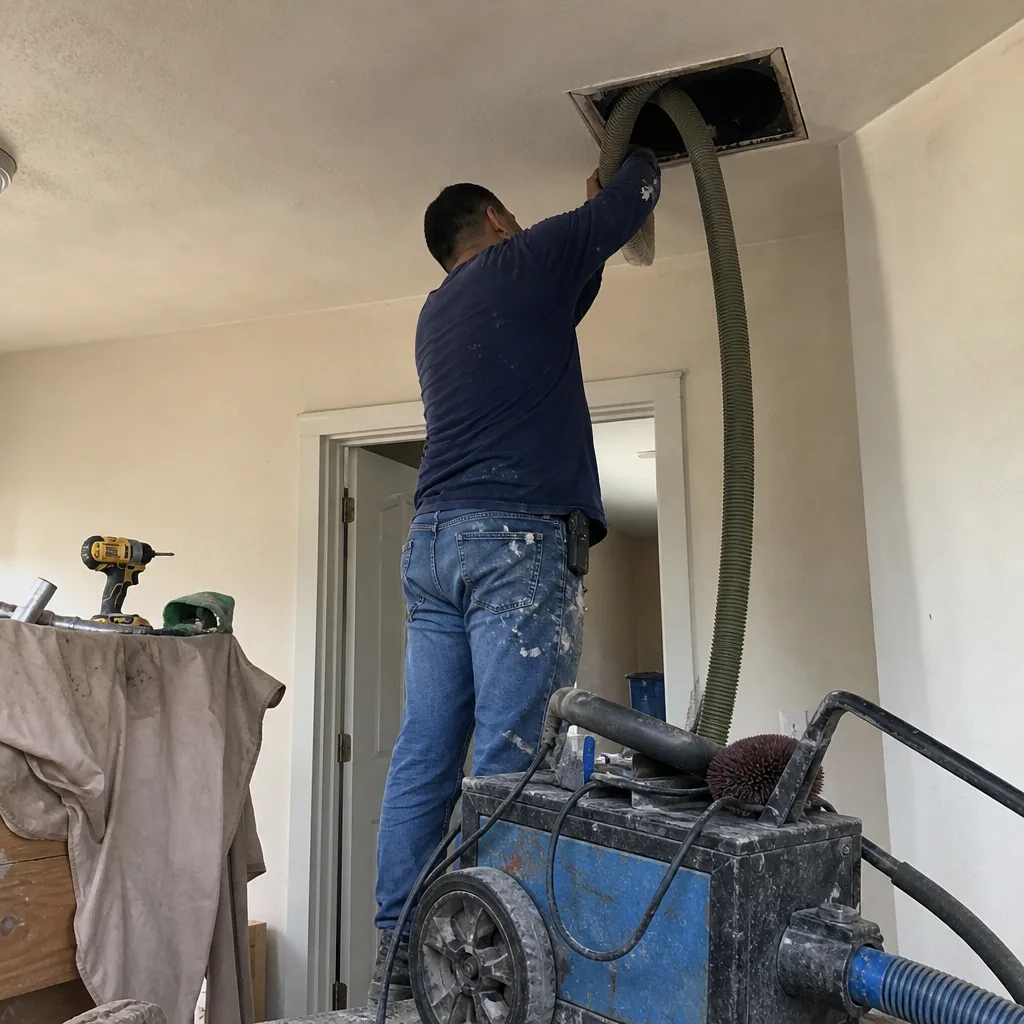
See the difference
 Before
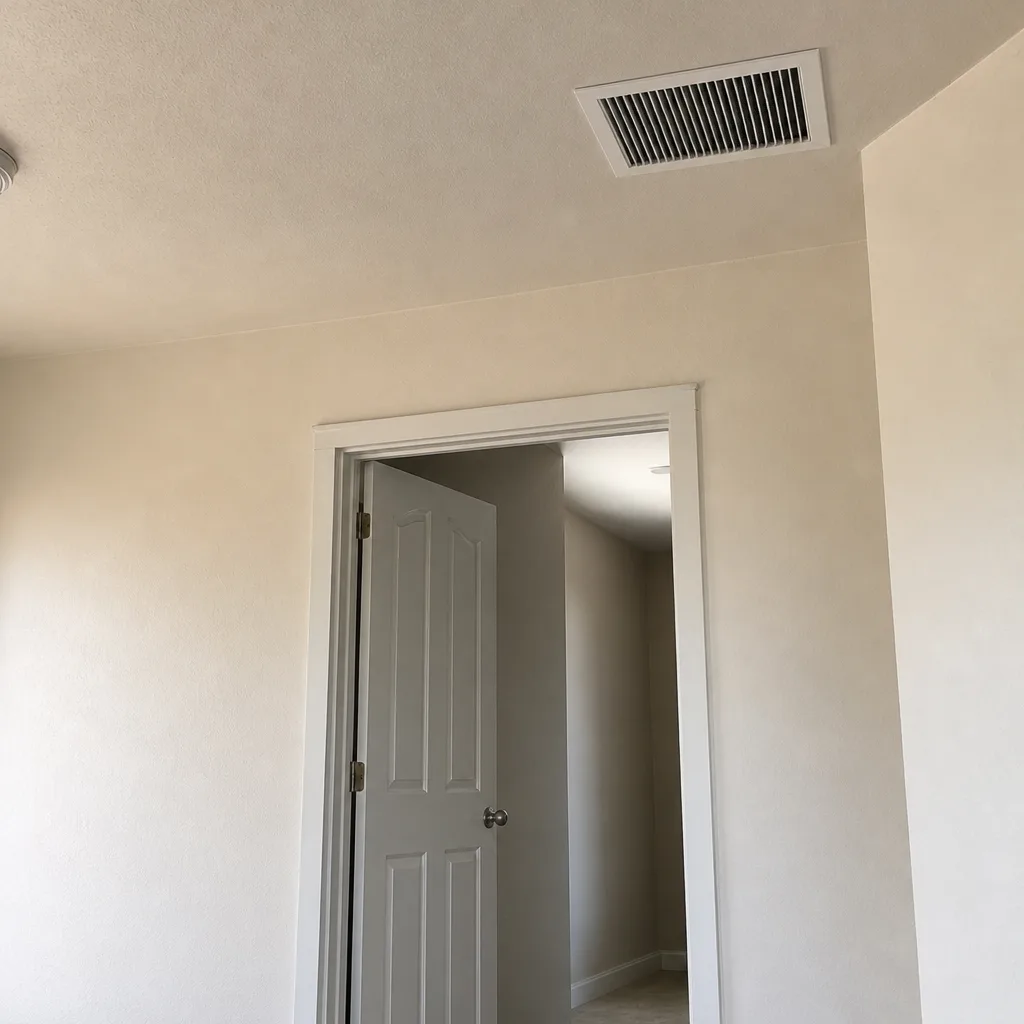 After
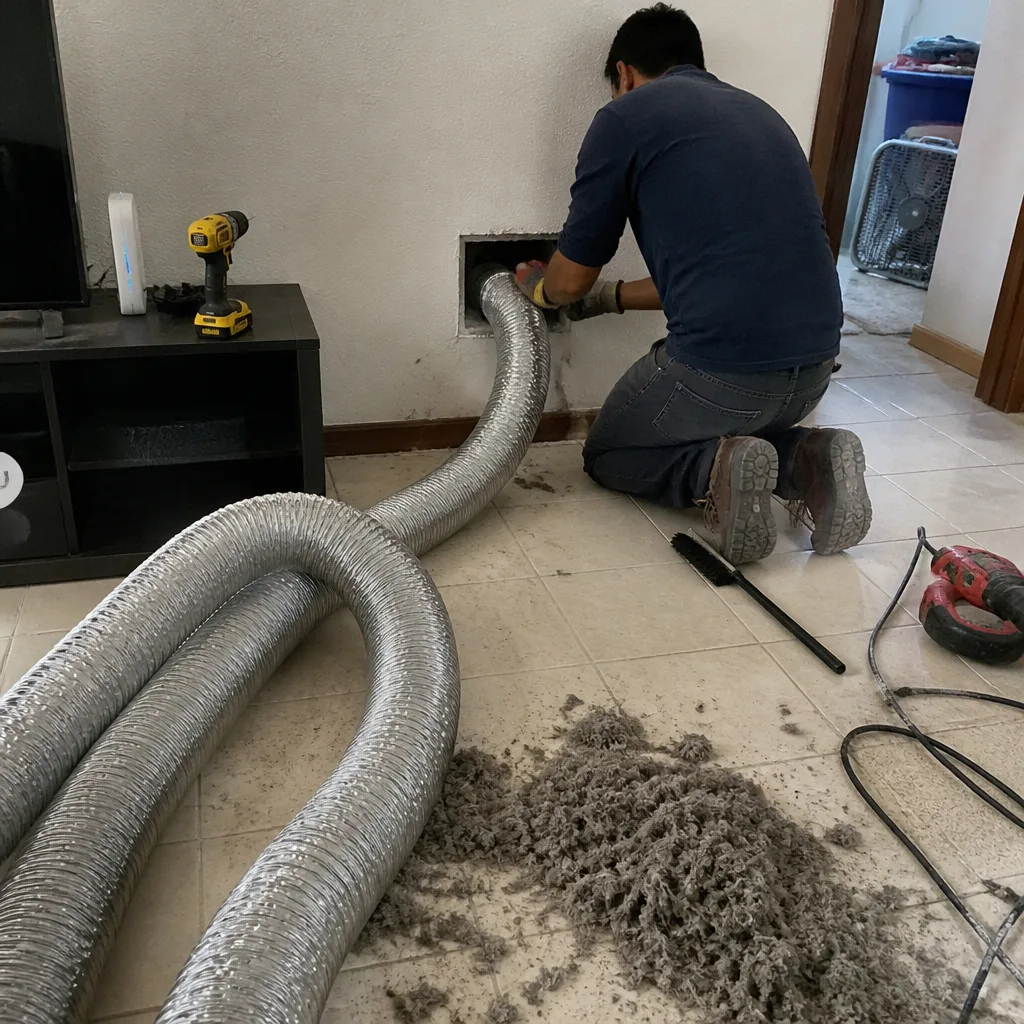 Before
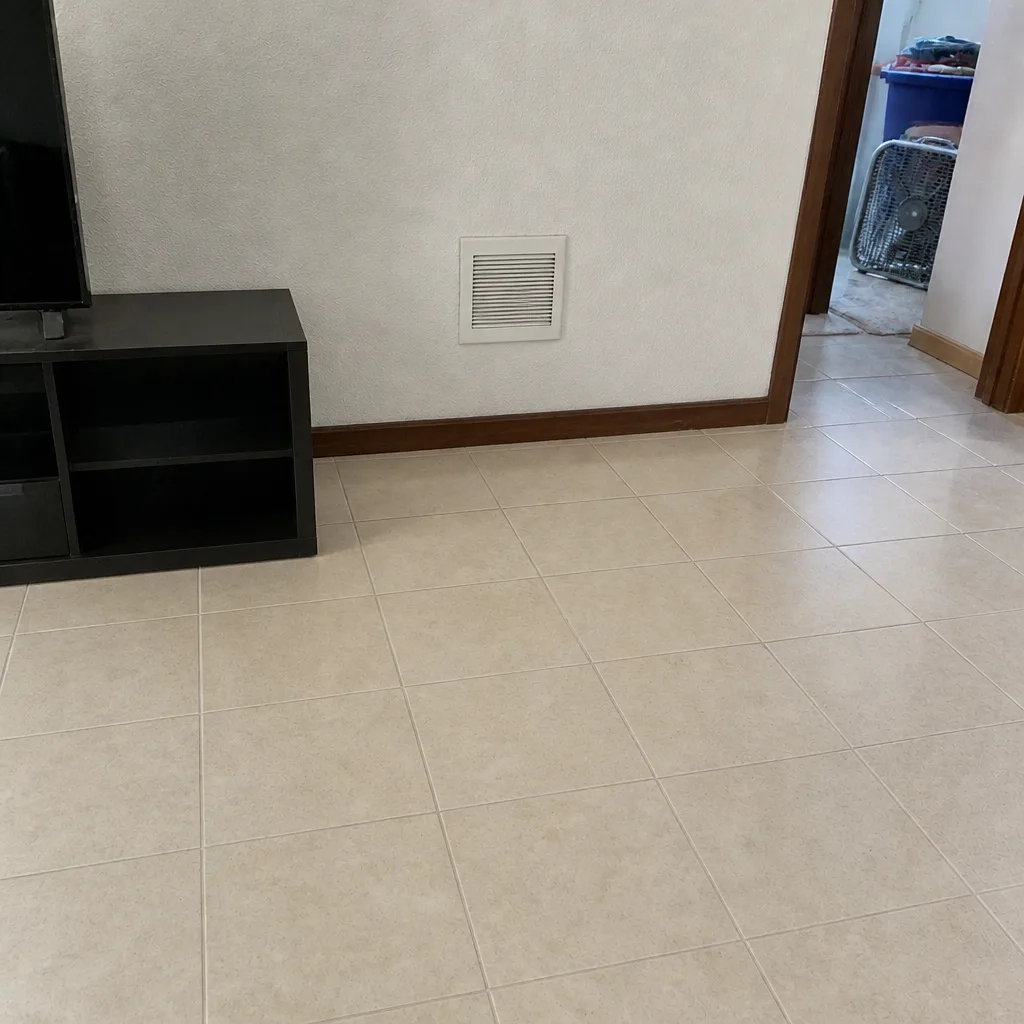 After
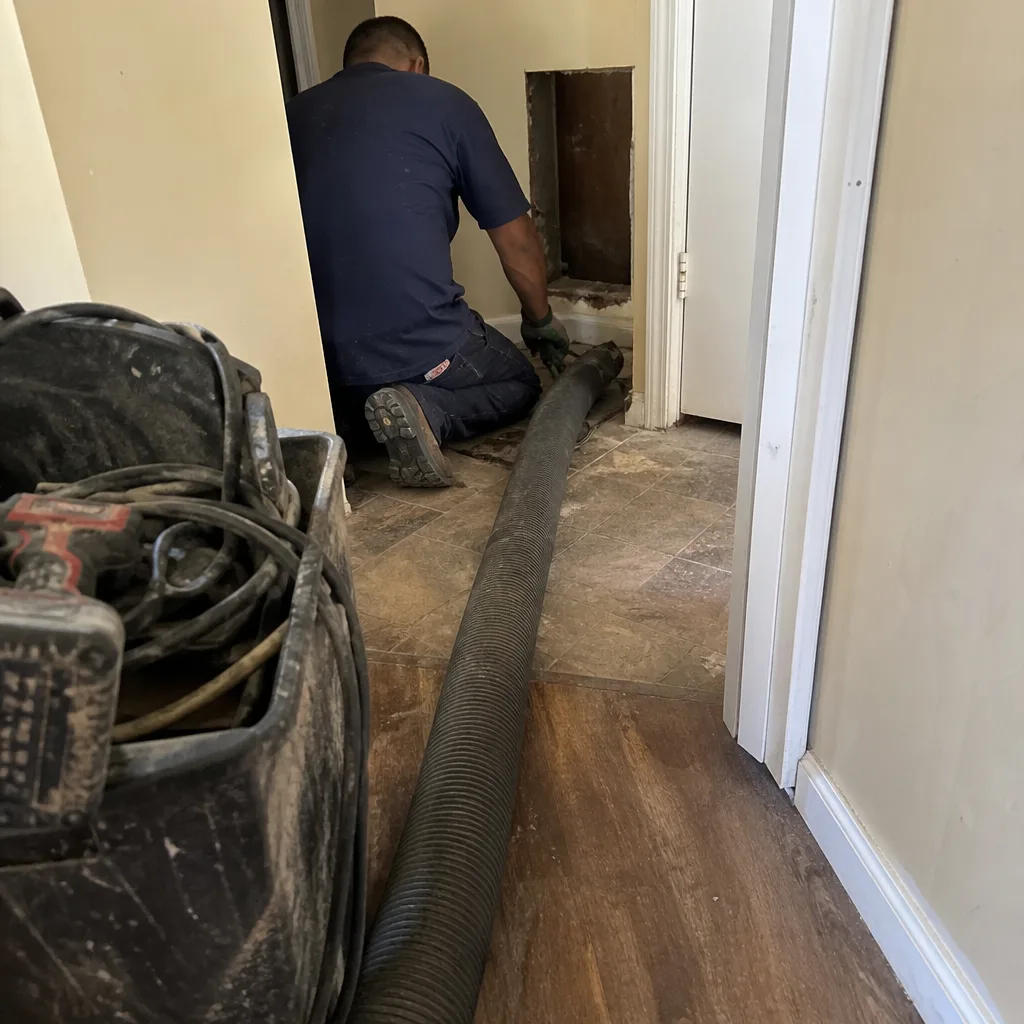 Before
 After